








Sometimes the most profound journey has nothing to do with crossing a border. It begins the moment you push open the doors of a library that pulls you straight back into the series and movies that shaped who you are — places where the line between the world you live in and the worlds you once escaped into simply dissolves.
Stepping inside is, in the most literal sense, changing dimensions.
That is exactly what I felt the first time I walked into the Real Gabinete Português de Leitura, in Rio de Janeiro — the Marvelous City — and found myself transported, without warning, into the universe of Harry Potter.
The Real Gabinete is the closest thing to the Gryffindor Common Room that exists anywhere in the real world.
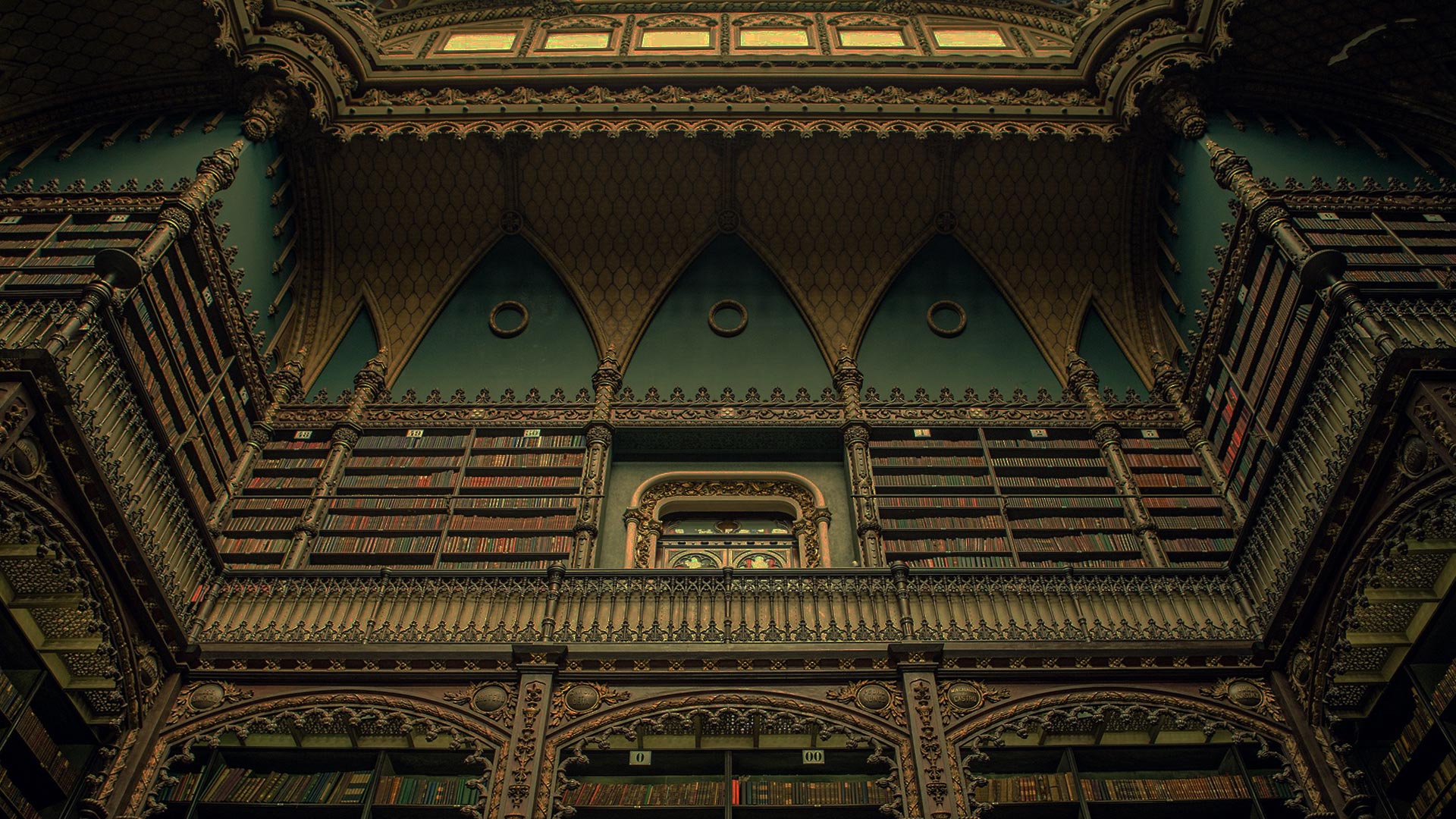
This Manueline-style building was founded by Portuguese immigrants around 1837, with the express purpose of preserving and promoting culture within the Portuguese community of the time. Today, its dark wooden shelves hold one of the largest collections of Portuguese literature outside Portugal itself.
There is something almost sacred about the atmosphere — which is precisely why it has become a favorite subject for photographers. But it rewards the visitor who puts the camera away. The combination of carved wood, stained glass, and wrought iron invites you to think about the minds behind those thousands of volumes.
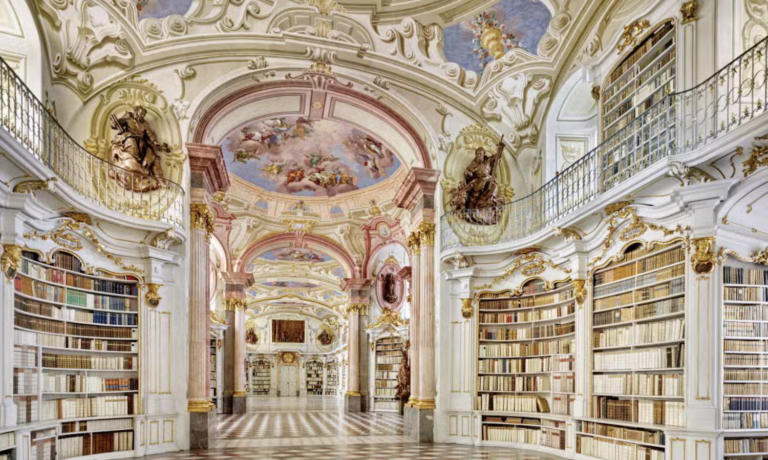
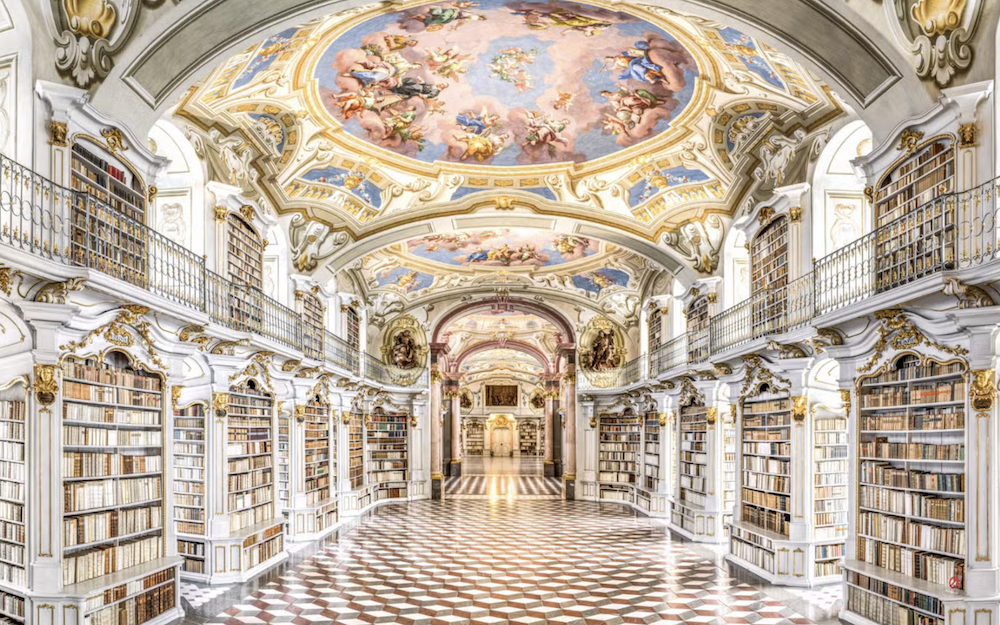
If we are searching for the sanctuary of the saga’s wisest wizard, Albus Dumbledore, we might find it in the library of Admont Abbey, in Austria. It is the largest monastic library in the world, and it looks as though it were designed by a production designer working on an epic fantasy film.
Its white-and-gold domes, painted with elaborate frescoes, may not immediately call to mind the headmaster’s office at Hogwarts. But the secret doors — hidden behind false book spines built flush into the shelves — might well conjure the portrait of his sister Ariana.
Leaving Harry Potter behind, we turn to another saga that left a permanent mark on popular culture: Star Wars.
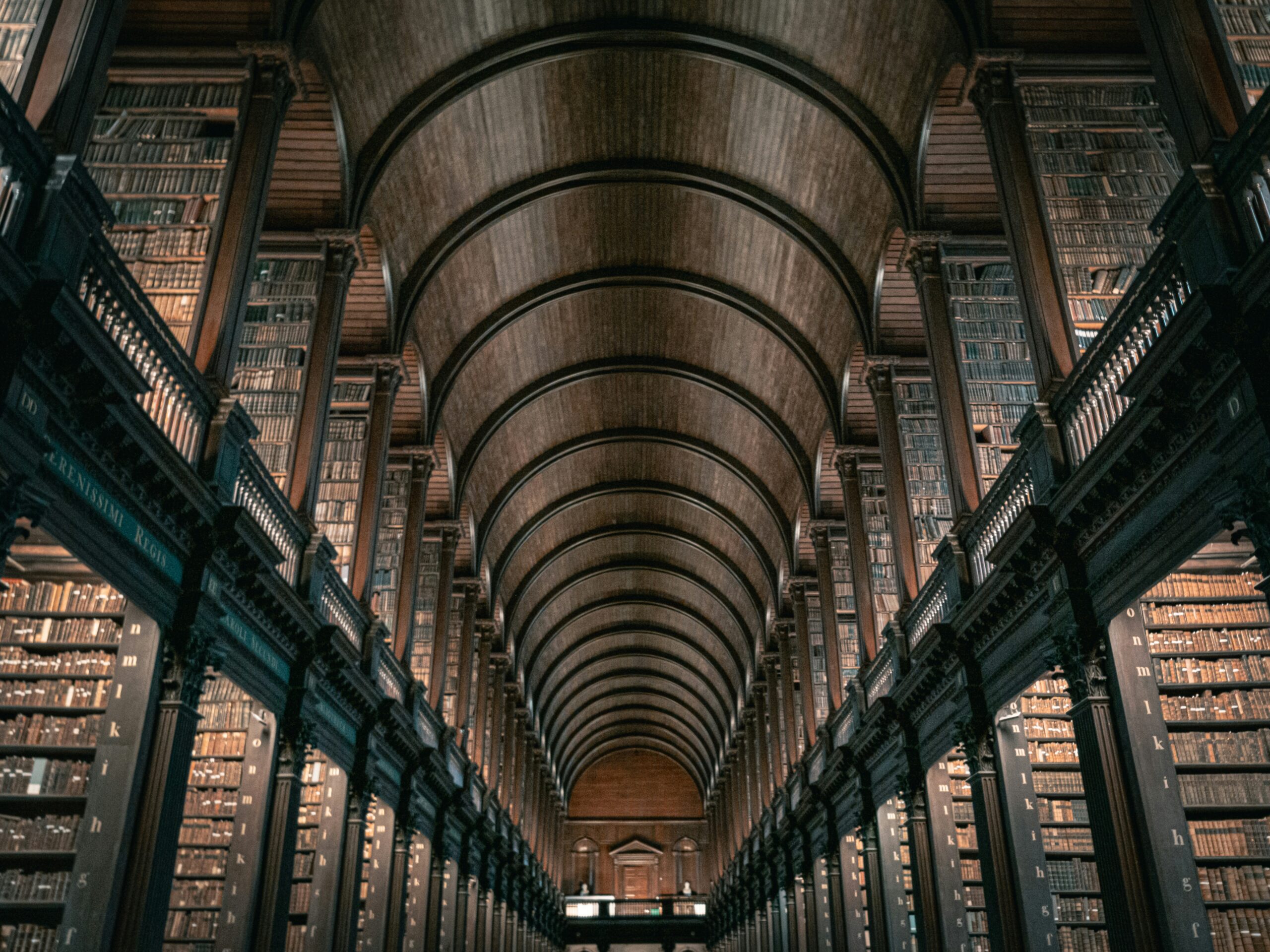
Walking through the Long Room at Trinity College in Dublin, you feel something shift in your chest. Its 213 feet of barrel-vaulted grandeur, lined with marble busts of great thinkers, carries a solemnity that feels as though it belongs to another world. Or, more precisely, another galaxy.
George Lucas drew directly on this room when designing the Jedi Temple Archives for Attack of the Clones. The resemblance is so striking that it is almost impossible not to scan the shelves for Master Yoda.
A remarkable detail: this is also the library where the Book of Kells is kept — a ninth-century illuminated manuscript so intricate that legend holds it could not have been made by human hands alone.
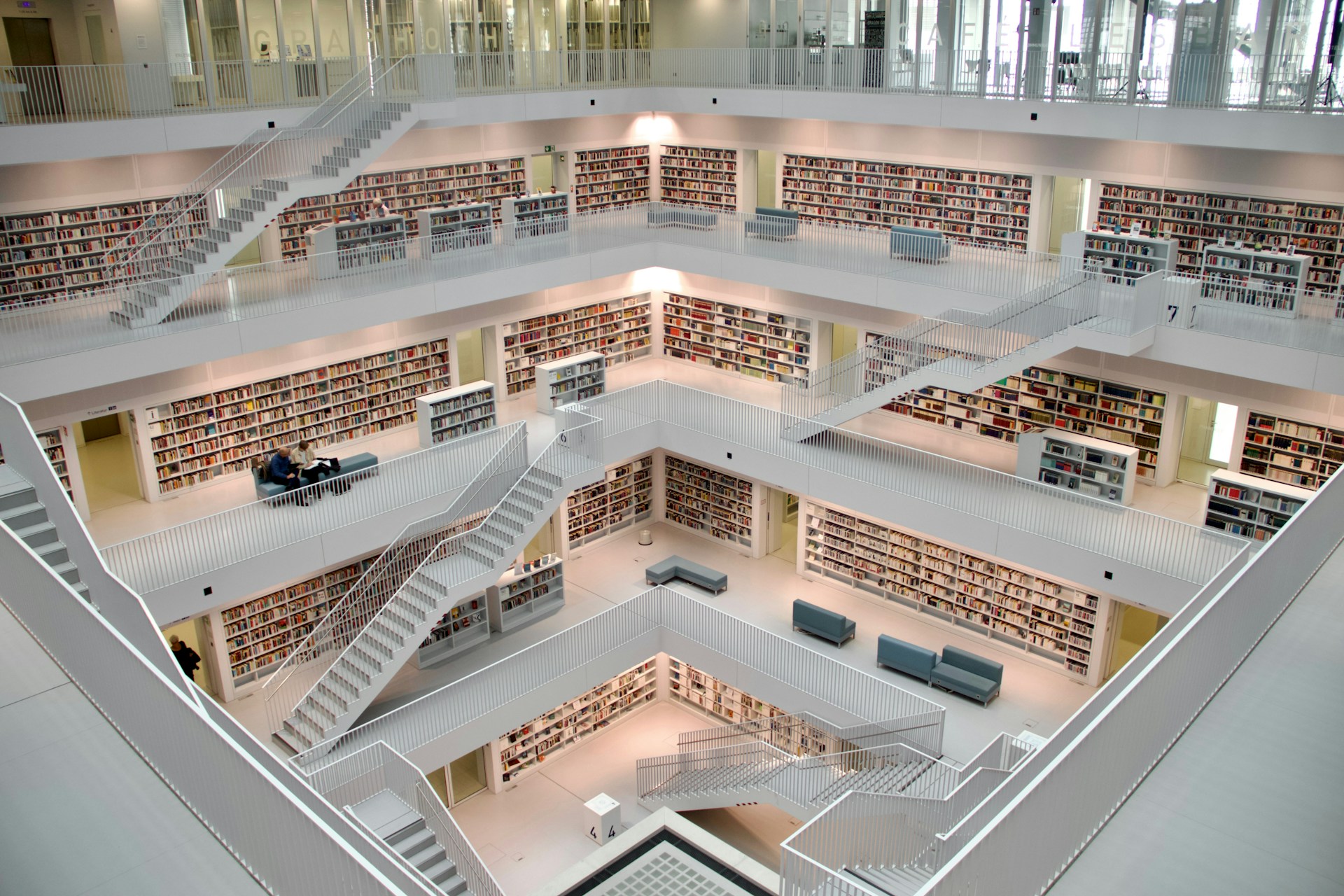
From Trinity College, we cross to the interdimensional Stadtbibliothek in Stuttgart, Germany. Anyone who has seen Interstellar will remember the sequence in which time and space intersect along infinite shelves of light. This German library is the architectural equivalent of that vision — the one that Christopher Nolan conjured from pure imagination.
It is an immaculate white cube in which staircases intersect at impossible angles. Standing at the center of its empty atrium, you feel as though you have stepped inside an artificial intelligence, or into a future where knowledge itself has become pure light.
For fans of Game of Thrones, the moment Samwell Tarly enters the Great Library of the Citadel is hard to forget: soaring ceilings, endless shelves, a warm golden light that seems to emanate from the books themselves.
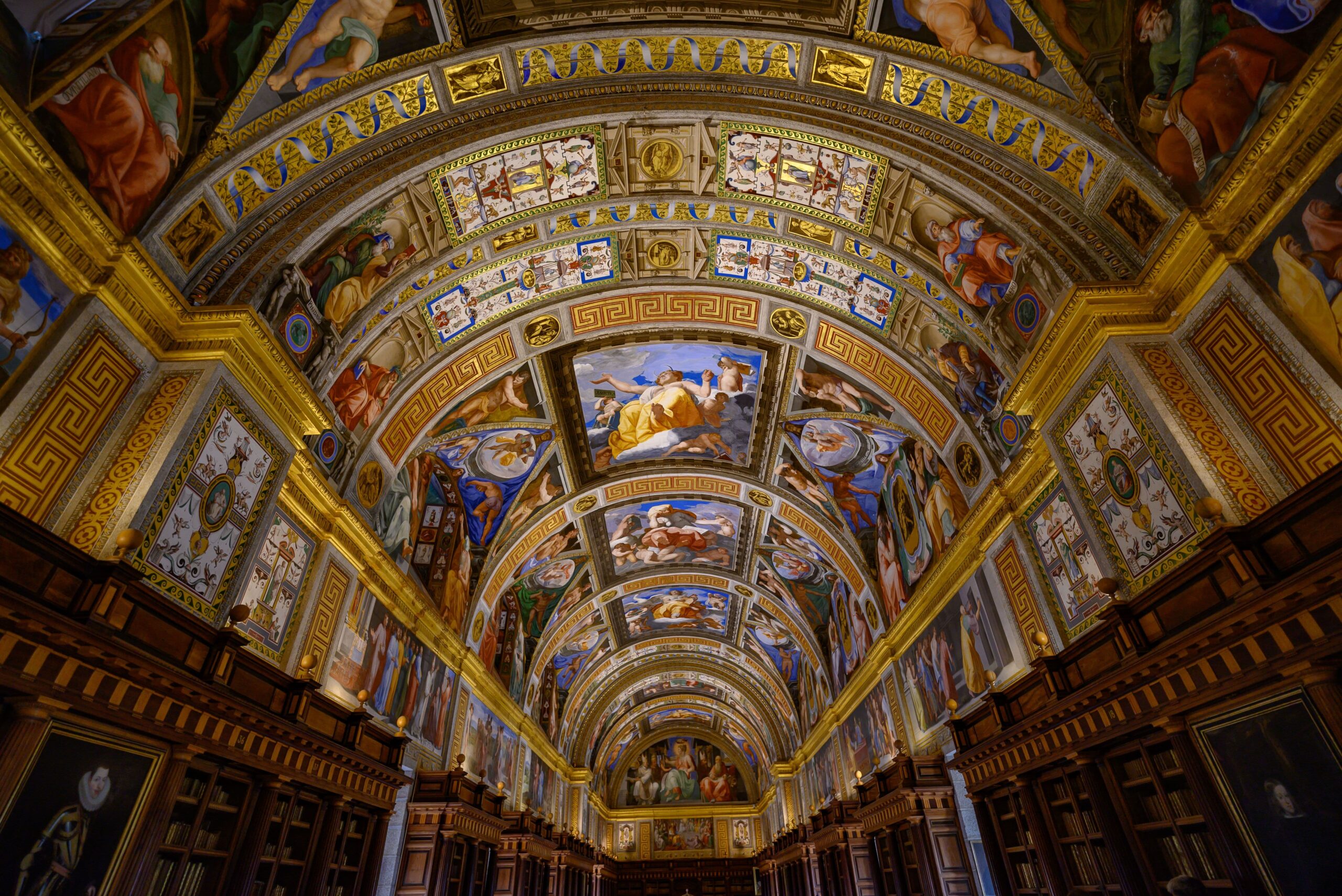
If that library had a twin on Earth, it would be the one inside the Monastery of San Lorenzo de El Escorial.
This room is among the most imposing in all of Europe. Its vaulted ceiling is painted with Renaissance frescoes representing the seven liberal arts, and its shelving was designed by the great architect Juan de Herrera.
The gravity of the place recalls the maesters of Westeros — keepers of secrets that could alter the fate of kingdoms.
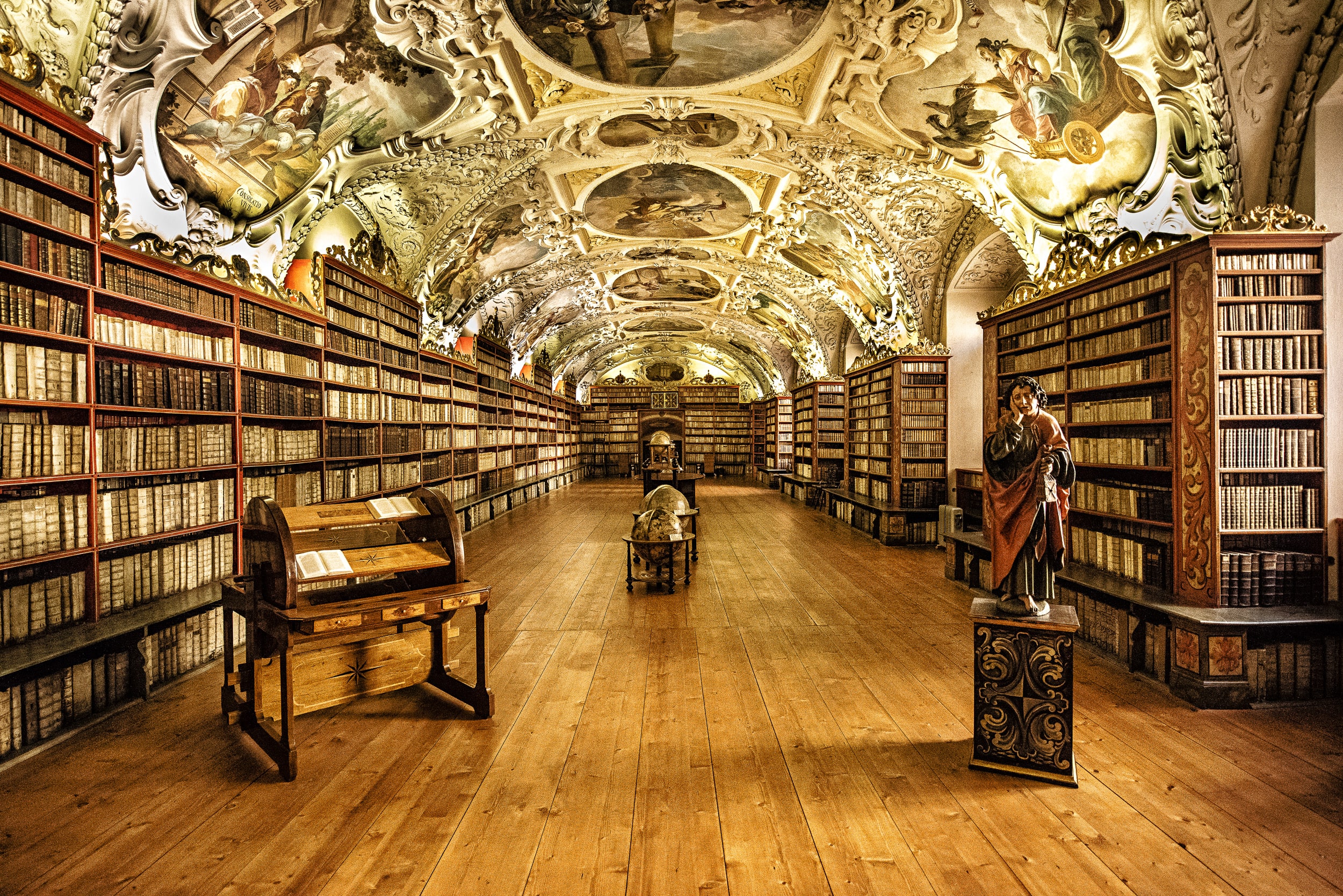
From Spain, we travel to Prague. There, the Theological Hall of the Strahov Library embodies the scene in which the Beast presents Belle with a library beyond imagining. With its antique globes and baroque stucco ceiling, it is the very definition of literary romance.
The room’s acoustics are so precise that a whisper at one end can be heard clearly at the other — a detail that seems lifted directly from a script about palace intrigue and secrets passed in the dark.
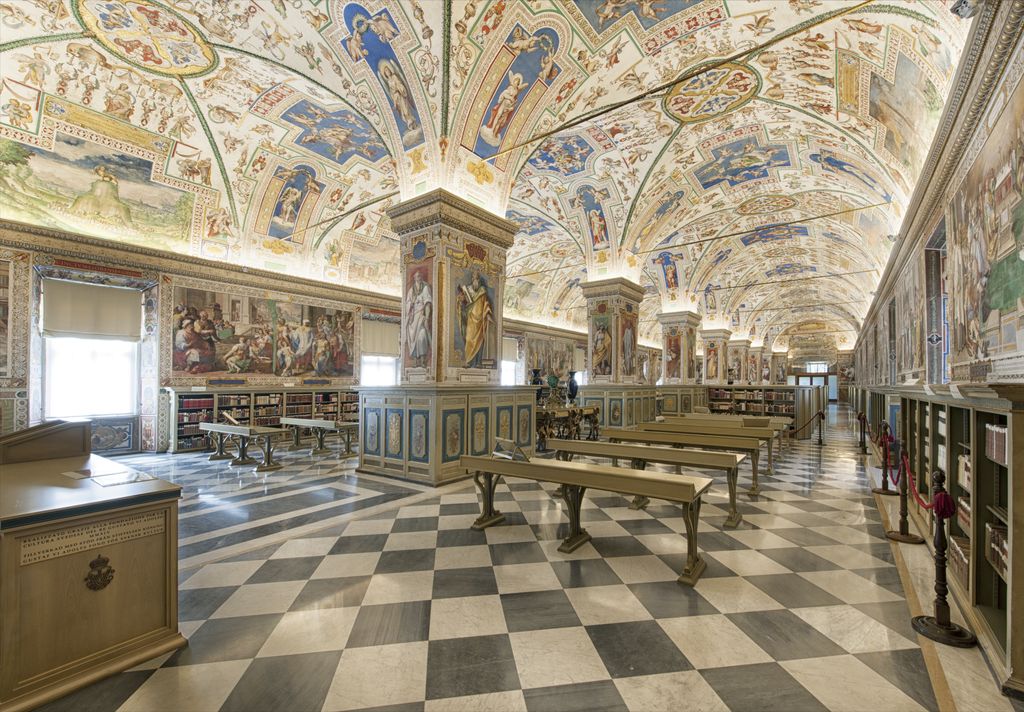
Finally, for those of us drawn to mystery and the weight of history, the Vatican Library is the Holy Grail.
Immortalized on screen in Angels and Demons — based on Dan Brown’s novel — this place represents everything forbidden, hidden, and sacred. The film gives us Robert Langdon sprinting through high-tech glass archives, but the reality is far more classical, and far more compelling.
The Apostolic Library is a labyrinth of frescoes, marble, and manuscripts reaching back to the earliest centuries of Christianity. It is where the truths — and perhaps the lies — that shaped Western civilization are kept.
Among the treasures it holds is the oldest surviving manuscript of the Bible, the Codex Vaticanus, as well as the trial records of Galileo Galilei. It is, in the most literal sense, the vault of Western history.
Whether you are chasing the magic of a boy wizard or the secrets of a Westerosi maester, these cinematic libraries remind us that reality, at its finest, is more extraordinary than anything a screenwriter could invent.