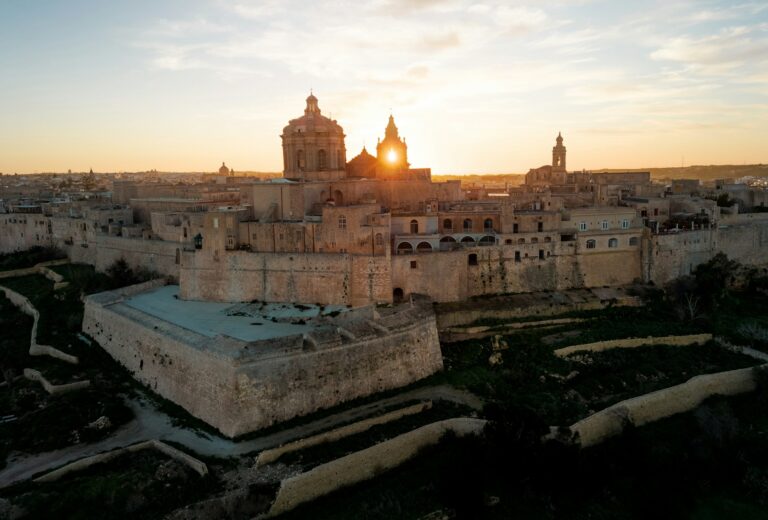
Every February, a village in Navarre celebrates the life, judgment, and death of carnival: Lantz embodies the festivities of one of the most representative rural carnivals in the province.
This celebration was prohibited and condemned to oblivion during Franco’s dictatorship, since all pagan festivals were abolished at that time. This damaged the village’s cultural fabric and possibly led to the loss of performance forms and traditions.
However, its people did not give up.
The Baroja brothers gave visibility to these traditions in their documentary Navarra, The Four Seasons. The village was inspired to bring the traditional parade back to their land every February.
But what happens in this celebration? What story do the people of the village tell?
There are some legends around these days. Its characters are allegorical and quite unusual for our times. The story, as in every Basque fable, presents characters who act to bring social justice, usually building plots around good and evil.
The village of Lantz is on the way to France, and since it was a border area, many people passed through it. This meant that many bandits acted in Lantz, robbing and extorting travelers and neighbors, making it one of the areas with the highest concentration of bandits.
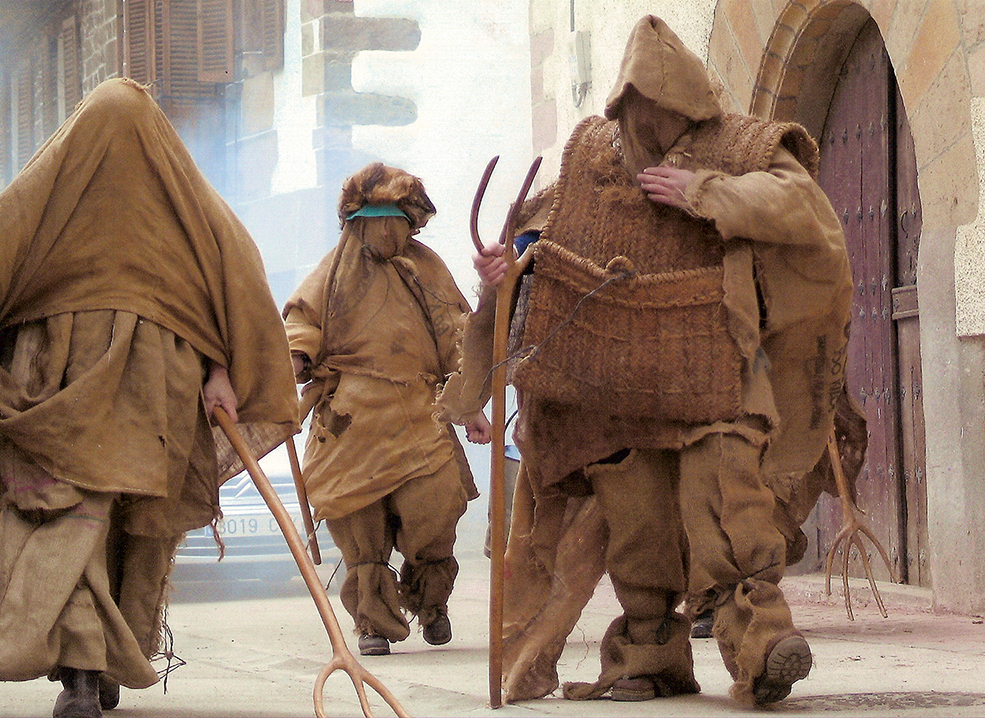
They are represented by the character of Miel Otxín, a tall human-shaped figure stuffed with straw, wearing a colorful hat and a grotesque face. The looters were always accompanied by a horse, the character of Zaldiko, depicted as a half-human, half-animal being whose mission is to sow chaos by chasing and striking people.
But is there no one to stop these beings from terrorizing the village?
The community is the true protagonist of this story. The men and women of Lantz rise to eradicate the harm and restore peace.
The symbolic characters representing the community are: the Ziripot, a straw-stuffed figure that struggles to walk but stops the bandits with its awkwardness; the txatxos who dance and capture the outlaws; and finally, the blacksmiths who tame the animals.
What is the end of this story? Does the village achieve justice? Is it a happy ending?
On the afternoon of the last day, Miel Otxín is captured and, through a symbolic ritual, he is sentenced and burned in the village square.
In Basque symbolism, fire, including the bonfire, represents a new beginning.
Other traditions, such as Christmas with Olentzero, also burn the figure to honor its memory and usher in a new chapter — whether a change of season or a fresh beginning.
The popular tradition of this carnival highlights the community that prepares, represents and celebrates this festival. Today, costumes, tools, items and masks are still handmade by the villagers, and these ways of doing things are passed down from generation to generation so that they are never lost. A tradition that unites people, represents their strength and the celebration of life.
The program of festivities begins with a large breakfast and the traditional dance of Zortziko. Then, everyone dresses up for the performance they will put on in the parade, ending with the persecution of the bandit Miel Otxín until he is captured and burned in a great final bonfire.
If you visit the village at this time of year, you will be struck by the rawness, simplicity and cultural richness surrounding this ceremony. The characters usually wear masks and costumes tied to rural life, which can be associated with traditional customs, but at the same time carry a dark, mysterious and theatrical atmosphere. These customs have united people since ancient times and help us value our own roots.
Today, the carnival of Lantz celebrates the identity of the area, challenges, liberates and unites the people who live there. A place that, during carnival days, exists entirely for and around its community — and in doing so, achieves something that truly endures.