
The Spix’s macaw (Cyanopsitta spixii) is the small blue parrot that inspired Blu, the protagonist of the 2011 animated film “Rio”.
As it turned out, fiction and reality would come to mirror each other more closely than any screenwriter could have imagined. By around 2000, the species had vanished entirely from the wild, surviving only through a handful of captive birds scattered around the world.
In 2022, it once again flew free in Brazil. The good news did not last long. By 2025, an incurable virus threatened to erase everything that had been gained.
The Parrot That Hollywood Made Famous
In the film, Blu and Jewel are presented as the last two blue macaws on Earth. The story even admits they are extinct in the wild, even though the film places them in the Amazon rainforest.
The geography tells a different story. The historical habitat of the Spix’s macaw was never the Amazon.
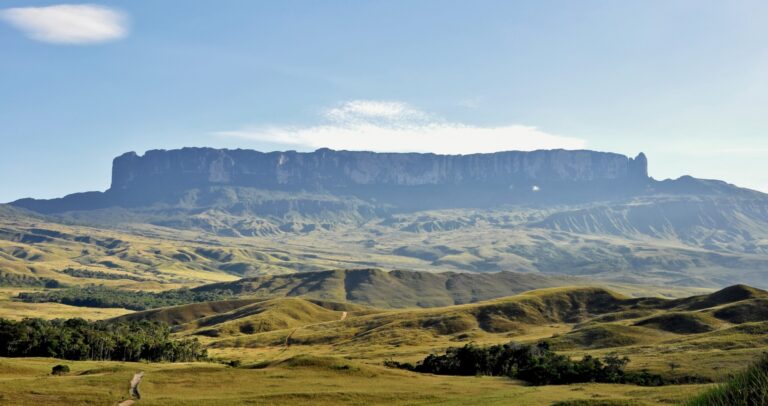
Its true home is the Caatinga, a semi-arid region in the northeastern state of Bahia, a landscape of thorny scrub and cacti far removed from the lush tropical jungle the film portrays.
From Extinction in the Wild to a Second Chance
The last confirmed wild bird was a male, first sighted and monitored in 1990, whose trail went cold after October 2000.
That same year, the species was classified as extinct in the wild.
Poaching for the illegal pet trade, compounded by habitat loss, had wiped out the wild population.
What kept hope alive was a small number of birds held in private collections and breeding facilities in various countries.
From that point on, a global captive-breeding program took shape — coordinated by governments, zoos, and conservation organizations — and the captive population grew steadily.
By December 2025, the number of Spix’s macaws in captivity worldwide stood at around 400 birds.
The Return to the Caatinga
The first release into the wild came on June 11, 2022, when eight captive-bred Spix’s macaws were set free in the municipality of Curacá, in Bahia.
In December of that same year, a second group of 12 birds followed, bringing the total to 20 released macaws, accompanied by 15 blue-winged macaws — a different species brought in to help the newcomers adapt socially.
The releases took place within two protected areas created specifically for the project, together covering nearly 297,000 acres around the municipalities of Juazeiro and Curacá.
During the first year of monitoring, the survival rate hovered around 58%, and roughly 65% of the released birds established a stable territory within the protected area.
In 2023, the first two Spix’s macaw chicks conceived in the wild hatched — the offspring of a pair that had formed after the release.
It was a significant milestone for the program, though it proved bittersweet: both chicks died before or during fledging, never getting the chance to fly on their own.
The real breakthrough came the following year.
In 2024, three more chicks were born. One had to be taken into captivity, but the other two fledged successfully and flew free — becoming the first Spix’s macaws born and raised entirely in the wild in more than three decades.
An Unexpected Blow: The 2025 Virus
The story, however, did not end there.
In May 2025, a breeding center in Curacá detected psittacine circovirus in several birds.
This is the virus responsible for psittacine beak and feather disease — a condition with no known cure that is usually fatal in parrots.
In early November of that year, authorities recaptured the 11 wild Spix’s macaws still alive for testing. All 11 came back positive.
What made the discovery even more alarming: it was the first time this circovirus had ever been detected in wild birds in Brazil or anywhere in South America.
Two of the 11 infected birds had been born in the wild and had never been in a cage. The recapture did not go smoothly: the organization responsible for managing the birds in the field resisted handing them over for months, until a court ordered the recapture in October 2025.
What This Means for the Future of the Species
Today, the Spix’s macaw still exists, but its situation is far more fragile than the triumphant comeback story might suggest.
Conservation specialists note that the species remains almost entirely dependent on captivity for its survival and should not be described as a recovered wild population.
The 2025 circovirus outbreak has, at least for now, tempered much of the optimism built up between 2022 and 2024.
The one piece of good news, if there is any, is that the captive backup population continues to grow and remains, for the moment, the only genuine safeguard against the Spix’s macaw disappearing altogether.
Blu and Jewel, the characters who made this little blue parrot famous on screen, still have a real-life story unfolding. And unlike in the movie, their ending is far from written.