Have you ever wondered if there are places on Earth where the jungle canopy is so dense that sunlight takes ten minutes to reach the ground? Or countries so small they could fit several times inside a major international airport?
Countries with world records are defined by extraordinary facts and figures — and so much more.
In a data-driven world, the achievements of these nations reflect how countries manage their strategic resources, biodiversity, and financial capital.
Here is our selection of countries with record-breaking distinctions.
Russia: 11 Time Zones and 6.6 Million Square Miles
It comes as no surprise that Russia is the largest country on the planet. A glance at a world map quickly reveals the scale of this colossal nation.
Yet numbers help put its magnitude into perspective. Russia spans 6.6 million square miles, an area comparable to that of the dwarf planet Pluto.
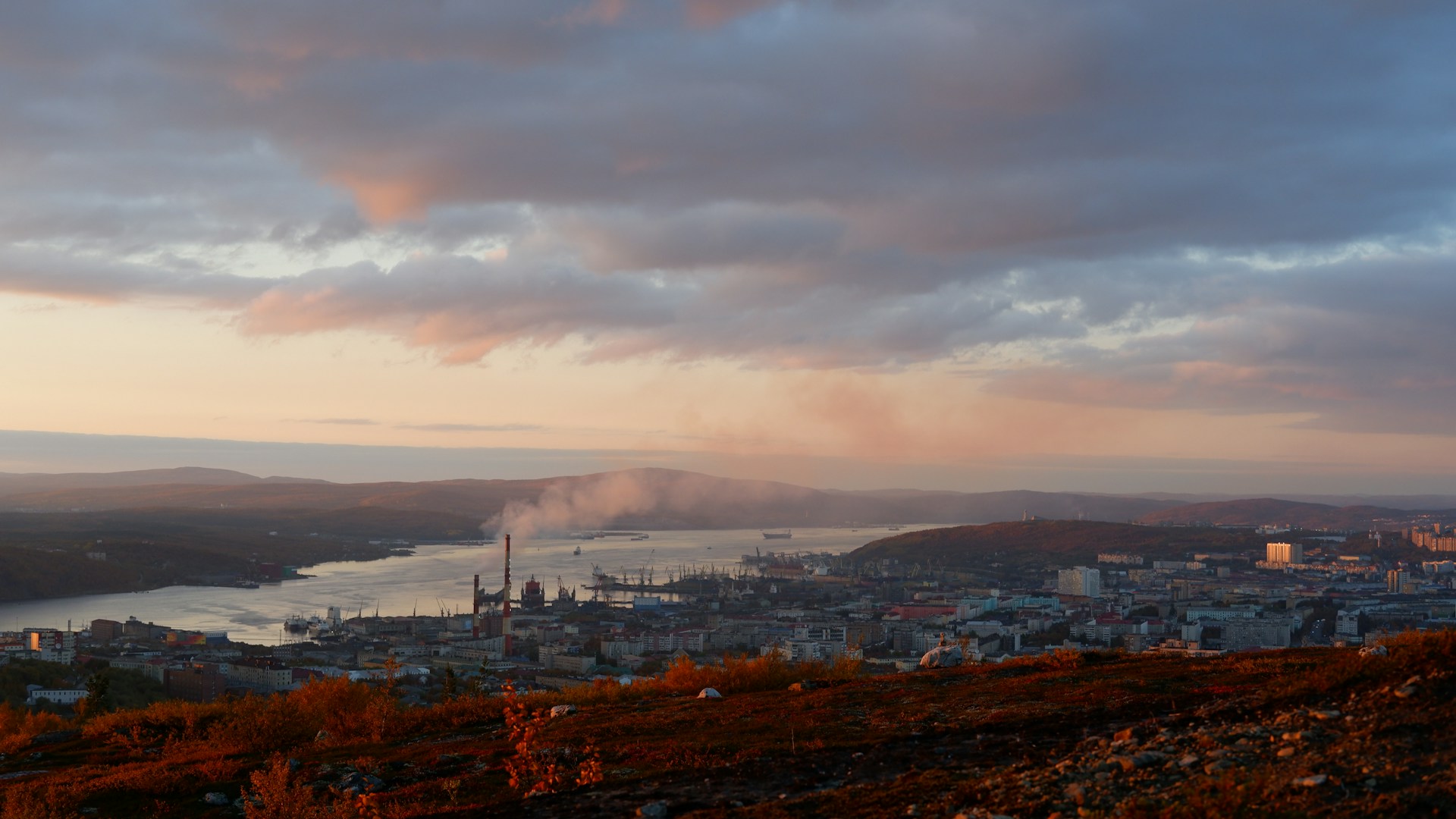
Another example of its vastness is Murmansk, the largest city in the world located above the Arctic Circle.
Russia’s records do not end there. The Trans-Siberian Railway, the longest rail line on Earth, cuts across the entire country, taking travelers on a seven-day journey across eight time zones.
Russia is also home to Oymyakon, the coldest permanently inhabited settlement on Earth, where temperatures have dropped below –58°F.
And within its borders lies Lake Baikal, the deepest lake in the world.
Without question, Russia stands as the king of global records.
Vatican City: sovereignty and 70,000 works of art in 0.17 square miles
Just as there are giants like Russia, there are also their opposites.
Vatican City is the smallest sovereign state in the world. That fact may not be surprising — but what is remarkable is its immense cultural density.
The iconic Vatican Museums house more than 70,000 works of art, creating an unparalleled concentration of historical pieces per square foot.
It is also the only country in the world whose ATM machines offer instructions in Latin, preserving a linguistic link to its ecclesiastical origins.
Canada: the freshwater reserve of 2 million lakes
Canada is the second-largest country in the world, but its record lies elsewhere.
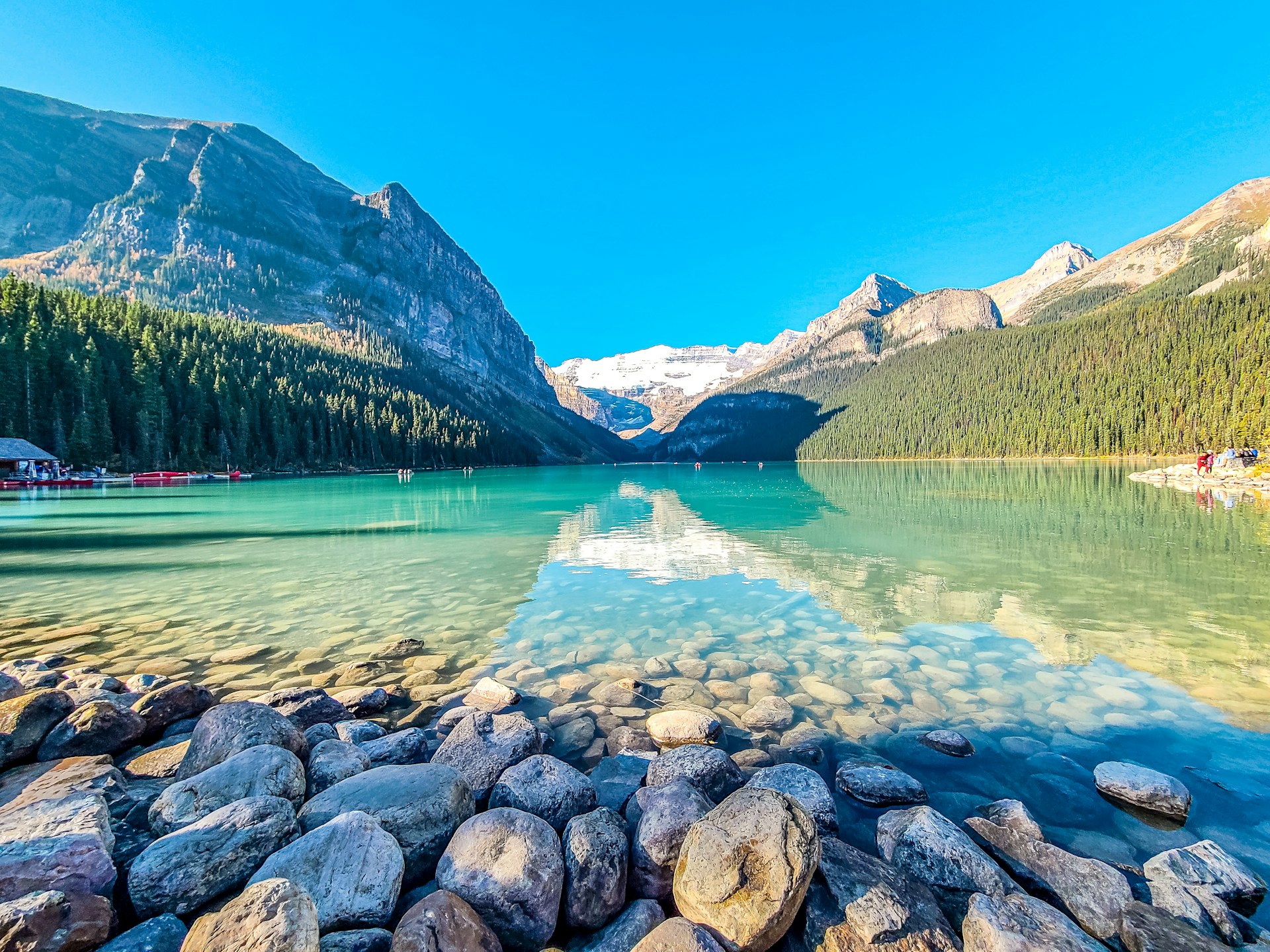
Canada contains 60% of the world’s lakes, totaling roughly two million bodies of water.
To grasp the scale: the province of Ontario alone contains about 250,000 lakes, more than all European countries combined.
The abundance of freshwater is so great that thousands of lakes still lack official names.
As a result, Canada holds about 20% of the planet’s surface freshwater reserves, shaping its landscapes, transportation systems, economy and role in global climate regulation.
Monaco: the financial peak of $256,000 per capita
Among countries with world records are also places where wealth is intensely concentrated.
The tiny Principality of Monaco holds the distinction of having the highest concentration of millionaires per capita on Earth.
This city-state — covering just 0.77 square miles — leads global economic rankings with a GDP per capita of $256,581.
Real estate prices have climbed to extraordinary levels, with residential property exceeding about $4,645 per square foot, prompting Monaco to expand its territory through ambitious coastal land-reclamation projects.
Burundi: the economic challenge of subsistence agriculture
At the opposite end of the spectrum lies Burundi, which in 2026 recorded the lowest GDP per capita in the world, at roughly $941 per year.
Nearly 90% of the country’s economy depends on agriculture, despite limited arable land due to soil erosion.
In many communities, exchanges of essential goods and services operate outside traditional banking systems, relying instead on local resilience and informal networks.
San Marino: political continuity since the year 301
San Marino holds another extraordinary distinction: it is the world’s oldest constitutional republic.
Founded in 301 AD, the country has maintained remarkable political continuity for more than 17 centuries.
Today it also boasts one of the lowest unemployment rates in Europe.
Another curious statistic: San Marino has more vehicles than residents, with roughly 1,200 cars per 1,000 inhabitants, reflecting a level of prosperity that has endured for centuries.
Brazil: A Global Hub of Biodiversity and the “False Nights”
Some countries possess such immense biodiversity that new species are discovered every year.
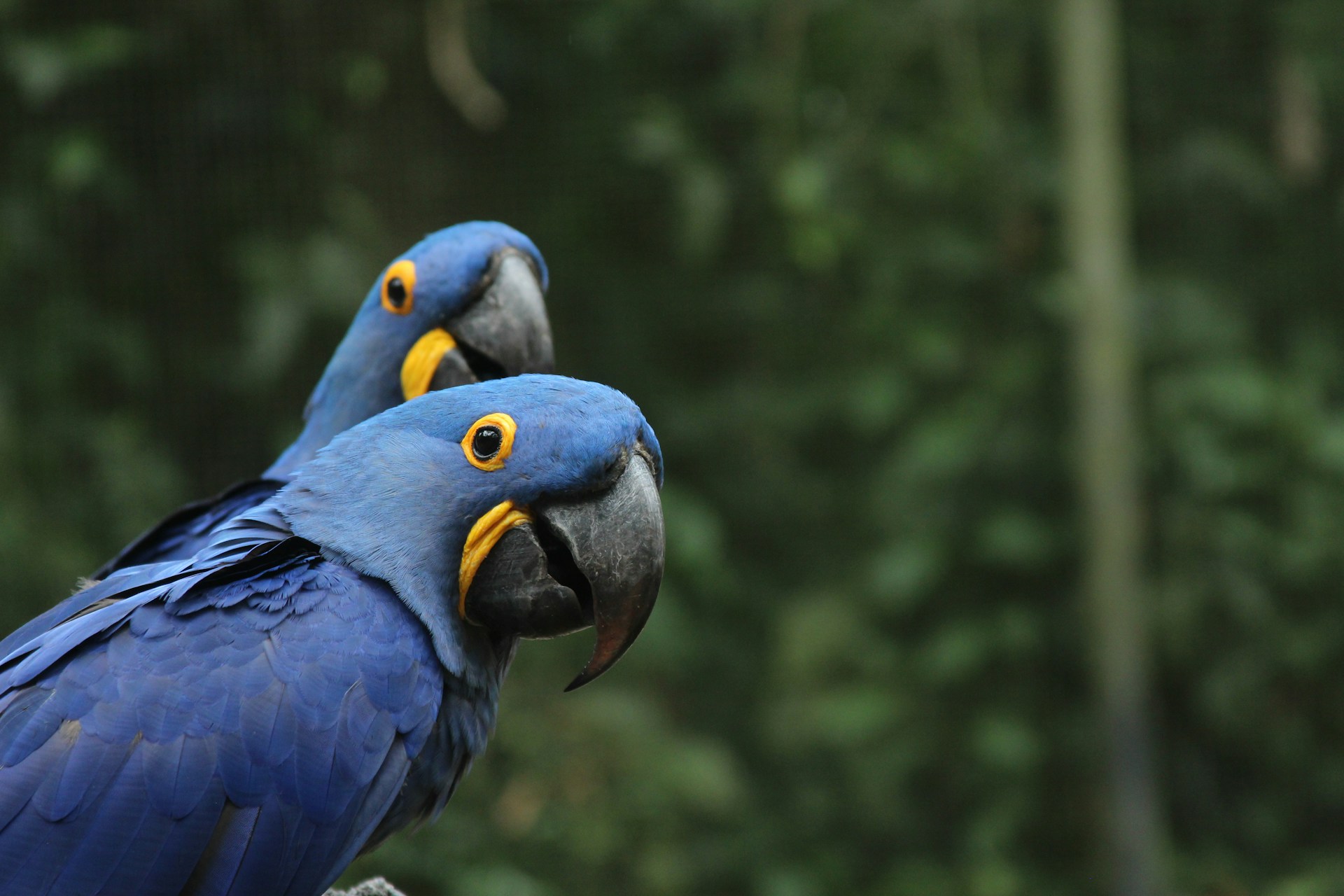
Brazil, South America’s largest nation, leads the world in biodiversity with more than 50,000 plant species and the planet’s greatest variety of wildlife.
The Amazon Rainforest, the largest tropical forest on Earth and often called the planet’s lungs, lies largely within its territory.
Brazil is also home to unique animals such as jaguars and pink river dolphins, and leads the world in both primate species and freshwater fish diversity.
In parts of the Amazon Basin, the forest canopy is so dense that sunlight can take up to ten minutes to reach the forest floor.
This creates ecosystems known as “false nights,” where life evolves in a constant twilight independent of the outside solar cycle.
France: the country with 12 time zones
France holds the record for the most time zones in the world.
This distinction does not come from its European territory, but from its overseas regions and territories scattered across the Caribbean, Indian Ocean and Pacific.
As a result, France simultaneously manages 12 different time zones.
In a very real sense, the sun never sets on French territory.
While a citizen in Paris begins breakfast, another in Tahiti may already be ending the day — both under the same national jurisdiction.
Australia: a network of national parks and ancient art
Australia stands out as a global leader in environmental conservation.
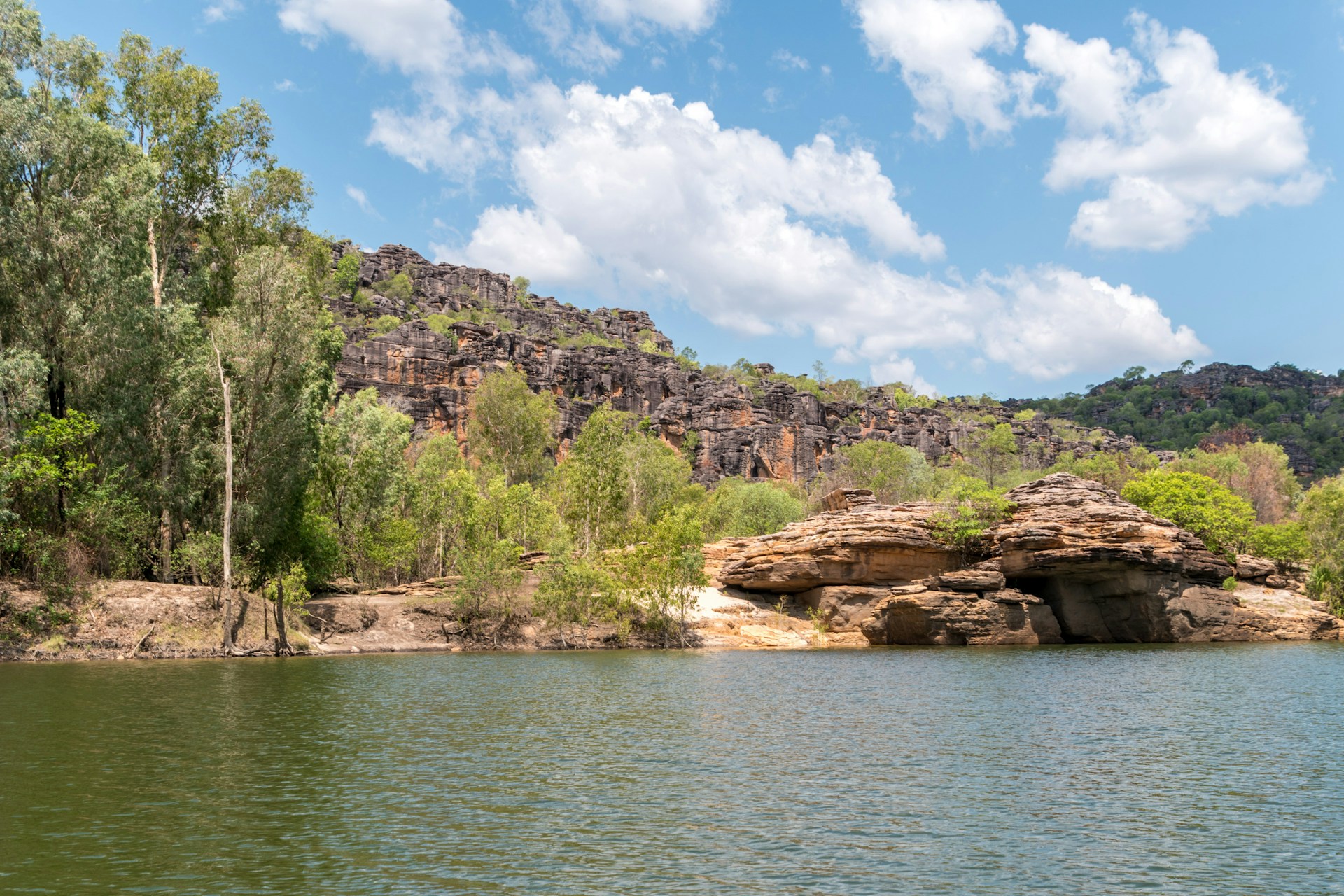
Its system of protected areas covers an area larger than Italy, with more than 500 protected landscapes stretching across coastlines, deserts and rainforests.
In places such as Kakadu National Park, visitors can see Aboriginal rock paintings more than 20,000 years old.
These sites transform Australia’s protected landscapes into open-air historical archives, where biodiversity and human memory coexist across millennia.
Papua New Guinea: the fragmentation of 840 living languages
Papua New Guinea contains one of the most remarkable cultural records on Earth.
The country is home to about 12% of the world’s languages, totaling roughly 840 living languages.
Most of these are not dialects but fully distinct languages, spoken by communities historically isolated by mountains and dense tropical forests.
To communicate across this extraordinary linguistic mosaic, many citizens rely on Tok Pisin, a creole language that acts as a bridge across one of the most complex linguistic landscapes on the planet.
These records remind us that geography is not static — it is a landscape of extremes, constantly evolving.
Understanding these limits ultimately means recognizing the many ways nature and human ambition continue to shape our world.