

Wellness tourism now generates more than $525 billion a year worldwide, with projections pointing toward $910 billion by 2030. That growth isn’t a passing trend. It reflects a genuine shift in how people choose where to go and what they hope to gain from the experience.
Against that backdrop, the food and health publication EatingWell released its first ranking of U.S. wellness cities in May 2026.
The list was built on measurable data: air and water quality, walkability scores, access to farmers’ markets, and proximity to natural spaces.
A panel of six health and travel experts reviewed the results. Every city on the final list has fewer than 150,000 residents and sits within an hour of a major airport.
What emerged was a list of seven destinations that have almost nothing in common — except for one thing: visitors tend to leave feeling better than when they arrived.
1. Ann Arbor, Michigan: The City with the Best Fitness Infrastructure
Home to 124,000 residents and anchored by the University of Michigan, Ann Arbor earned a walkability score of 98 out of 100.
The city has an unusually high concentration of fitness studios, including SoulCycle, Orangetheory, CrossFit at Wolverine Strength and Conditioning, Pilates at Core Collective, and strength training at Valor Strength and Performance, among others.
In summer, the city’s network of lakes, streams, and urban trails draws people outdoors; in winter, an extensive network of gyms and fitness studios takes over.
When it comes to dining, options range from high-protein fare at Zingerman’s Delicatessen to vegan Indian cuisine at Earthen Jar and seasonal menus at Dixboro House, a restaurant with its own garden.
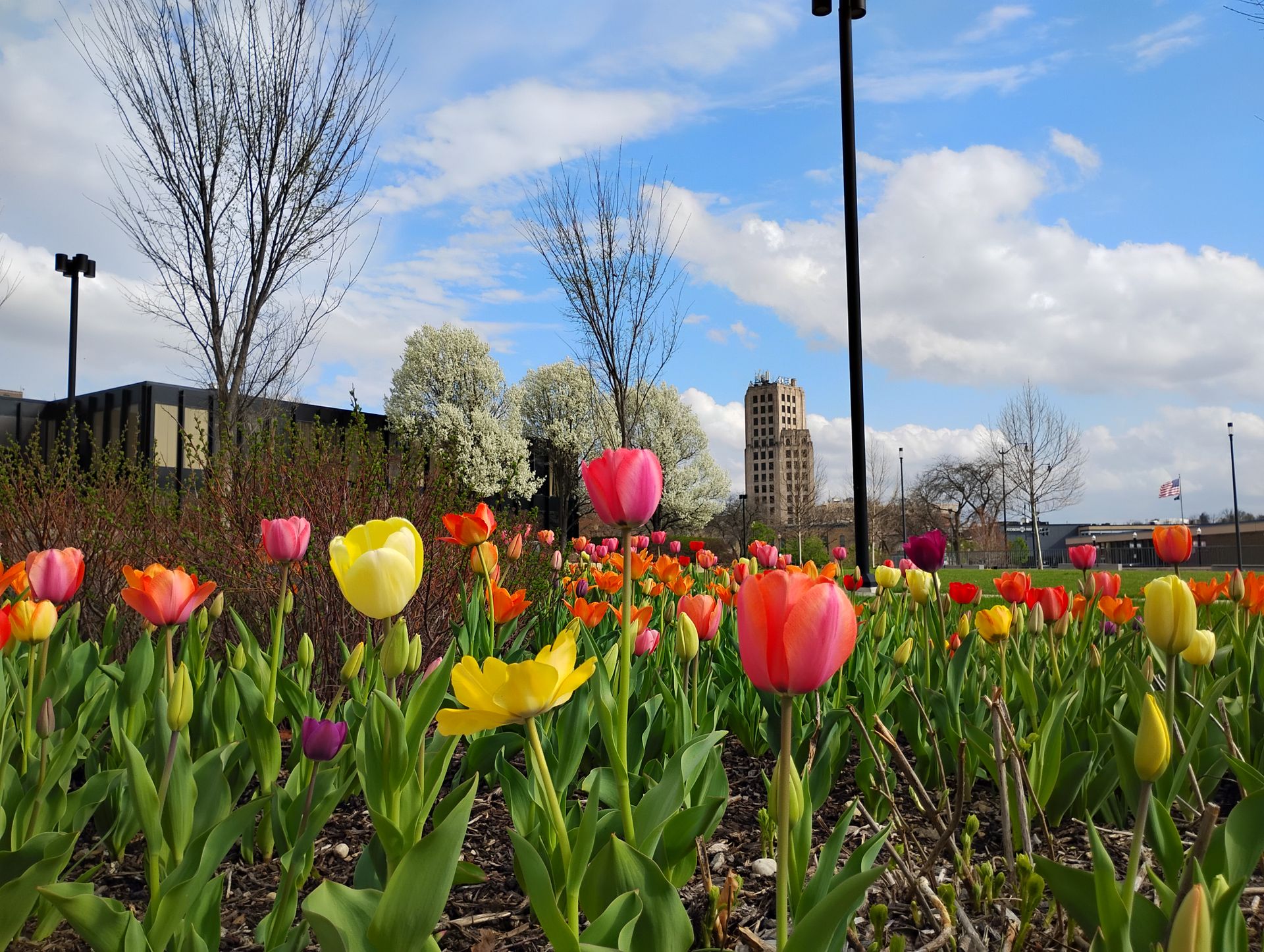
2. Kihei, Hawaii: Water, Sun, and an Effortless Pace
On the southwest coast of Maui, 25 minutes from the Kahului Airport, Kihei stands out as an affordable alternative to major Hawaiian resorts.
The average high temperature hovers around 81 degrees Fahrenheit year-round, with clear skies most of the time. Snorkeling at Ulua Beach and surfing at Kihei Cove are the main draws.
Maui County manages active watershed conservation programs to maintain water quality — something visitors feel directly.
South Maui Gardens, known locally as “Kihei’s hidden oasis,” combines a plant nursery, food trucks, and hula performances in one spot.
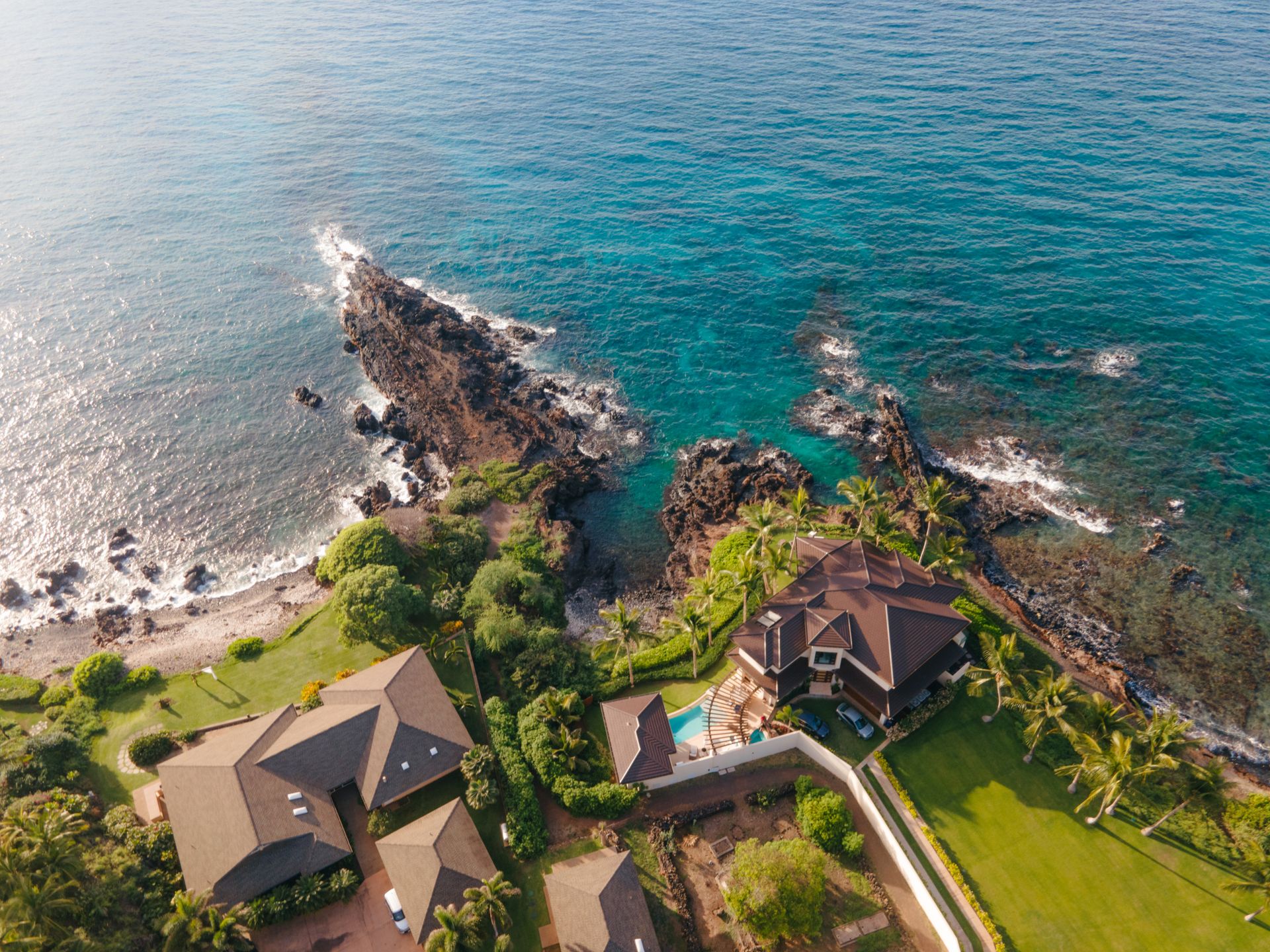
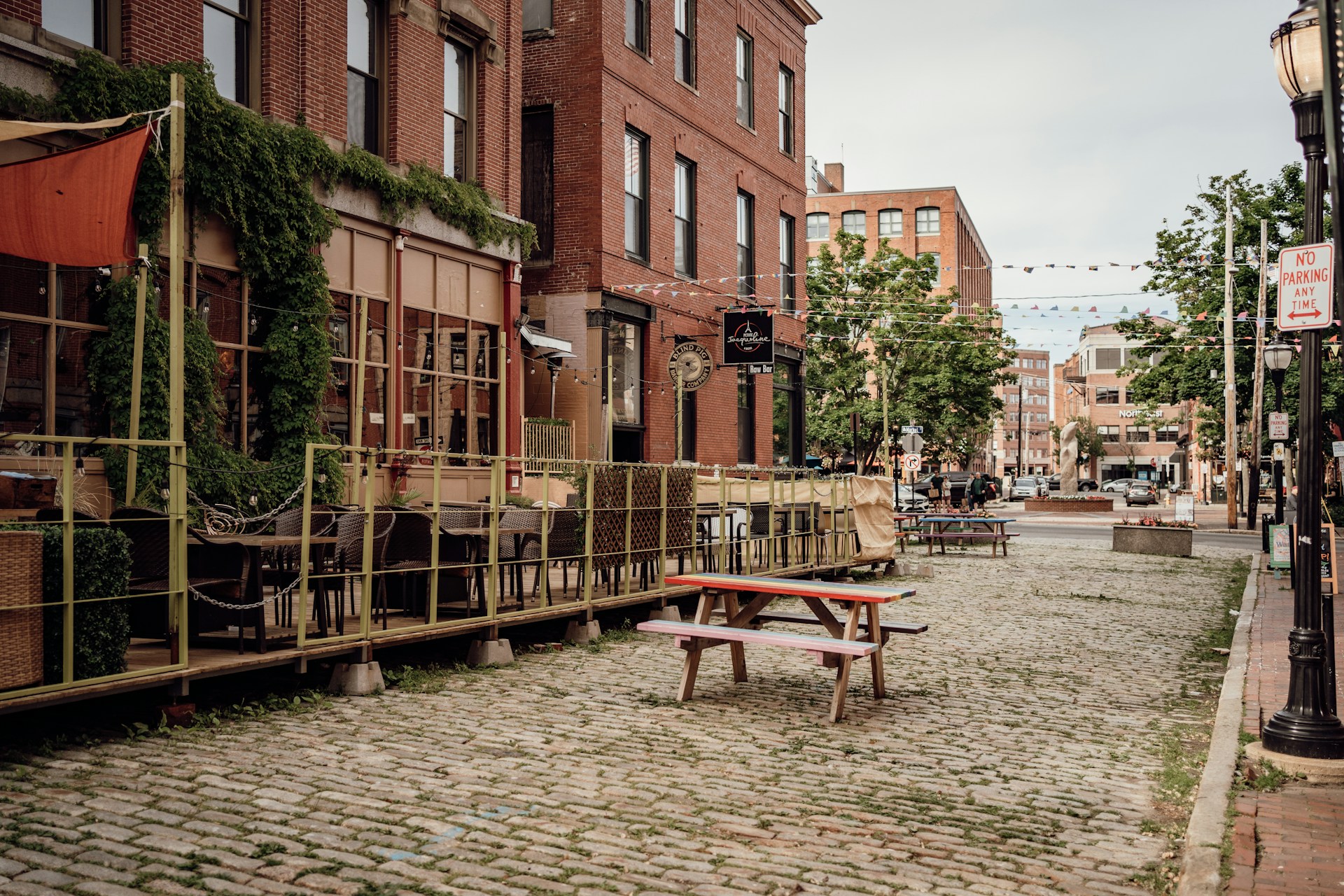
3. Portland, Maine: A Perfect Score for Walkability
Of the 21 cities EatingWell evaluated, Portland was the only one to earn a perfect walkability score of 100, compared to an overall average of 72.
The city’s compact layout lets visitors explore the Old Port, the waterfront, and neighborhoods like the West End entirely on foot.
Walking a city isn’t just built-in exercise — it’s also the most direct way to absorb its rhythm and character.
In Portland, that translates to Victorian architecture, cobblestone streets, lobster rolls, and local craft beer — all within walking distance.
Just 30 minutes away, Bradbury Mountain State Park offers hiking trails with significantly fewer crowds than Acadia National Park.
4. Bend, Oregon: Accessible Nature 365 Days a Year
Located three and a half hours southeast of Portland, Bend gets more sunny days than cloudy ones each year — setting it apart from the rest of the Pacific Northwest.
Hiking, cycling, horseback riding, canoeing, and tubing down the Deschutes River are all accessible right from the city.
In the winter, Mount Bachelor offers more than 4,300 acres of skiable terrain during one of the longest seasons in the country, running from November to May.
The city is also investing in accessibility: Wanderlust Tours uses all-terrain wheelchairs called AdvenChairs, and it has recently added accessible kayak ramps and adaptive trails.
Local lodging taxes also go directly toward trail improvements.
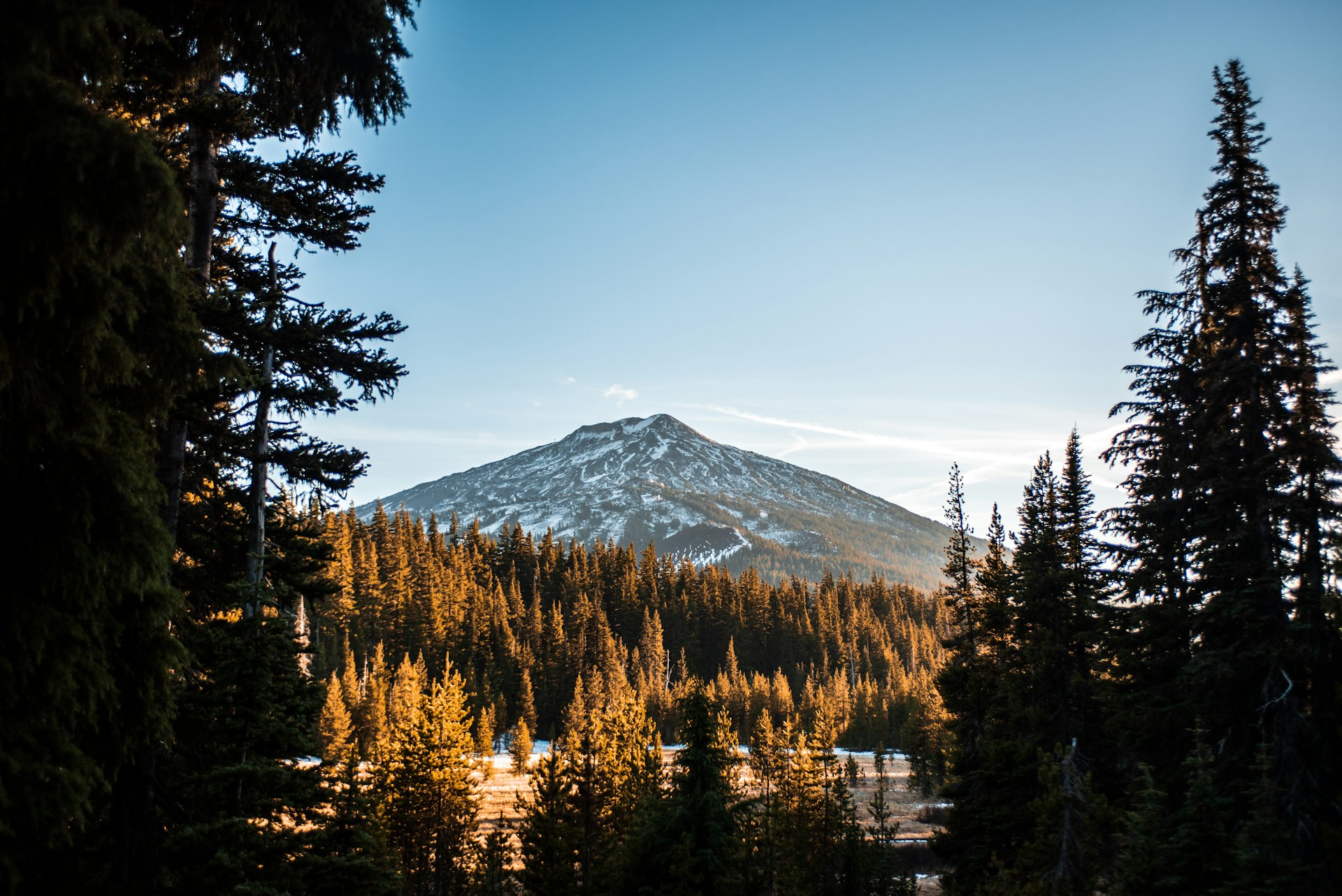
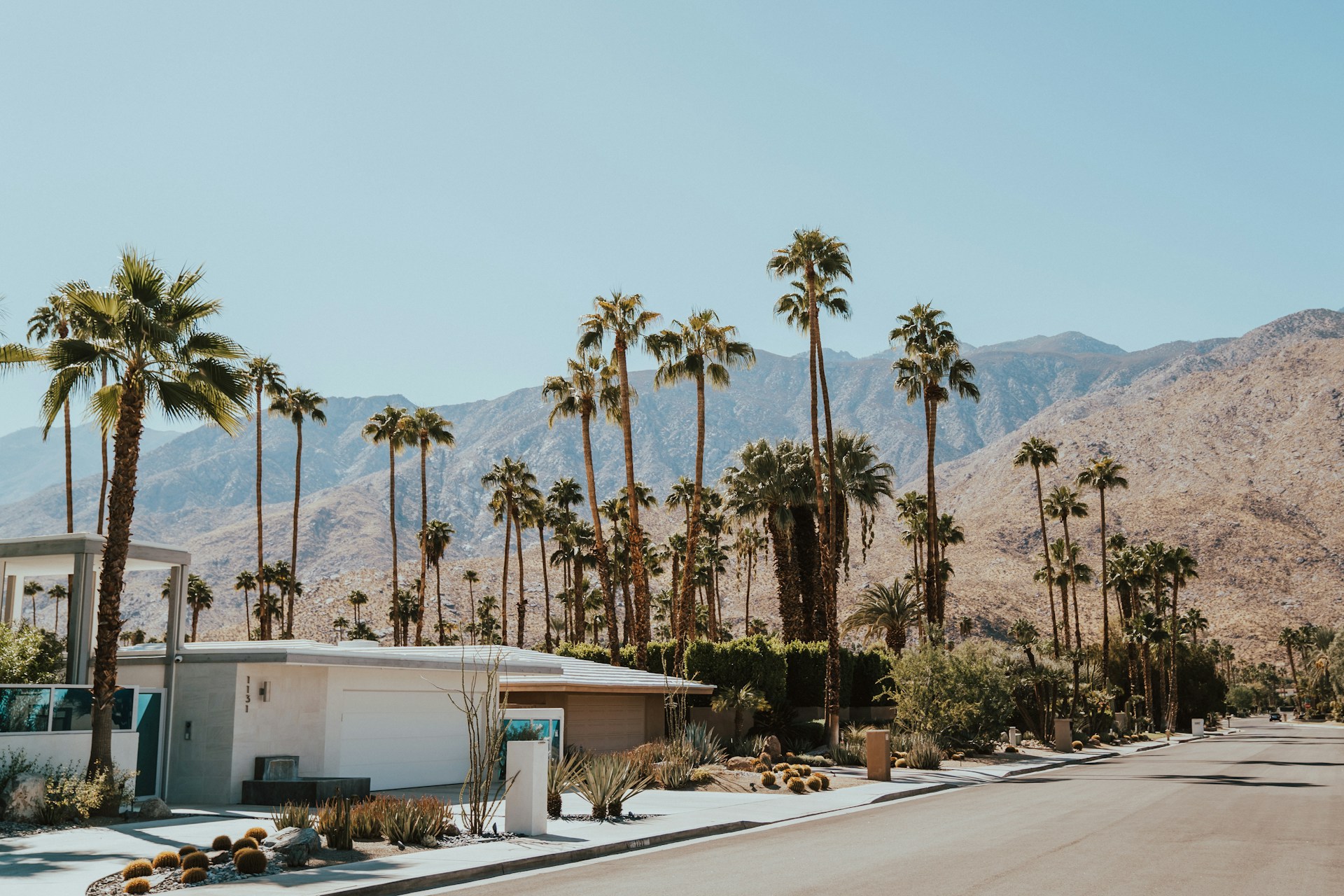
5. Palm Springs, California: The Spa Destination with Guaranteed Warm Weather
Year-round sunshine and desert heat make Palm Springs a natural home for spa culture.
That reputation is well established: every September, the city hosts Spa Month, with special packages at venues across town.
In 2025, Terra opened downtown — the first hotel in Palm Springs built specifically around wellness, with a Himalayan salt sauna and a cold plunge pool.
For those who prefer the outdoors, Tahquitz Canyon offers a hiking trail that ends at a waterfall.
6. Santa Fe, New Mexico: The Best Culinary Scene with Local Roots
With 400 years of culinary tradition and a farmers’ market dating back to the 1960s, Santa Fe has made food a cornerstone of its wellness identity.
The market draws more than 150 vendors from 15 counties across northern New Mexico, providing local ingredients to restaurants like Sage Bakehouse, Paper Dosa, and Paloma.
Beyond the food, Santa Fe offers 138 acres of off-leash trails at Frank S. Ortiz Park, art galleries on Canyon Road, and the spa at Ojo Santa Fe Resort, which hosts meet-and-greets with rescue dogs.

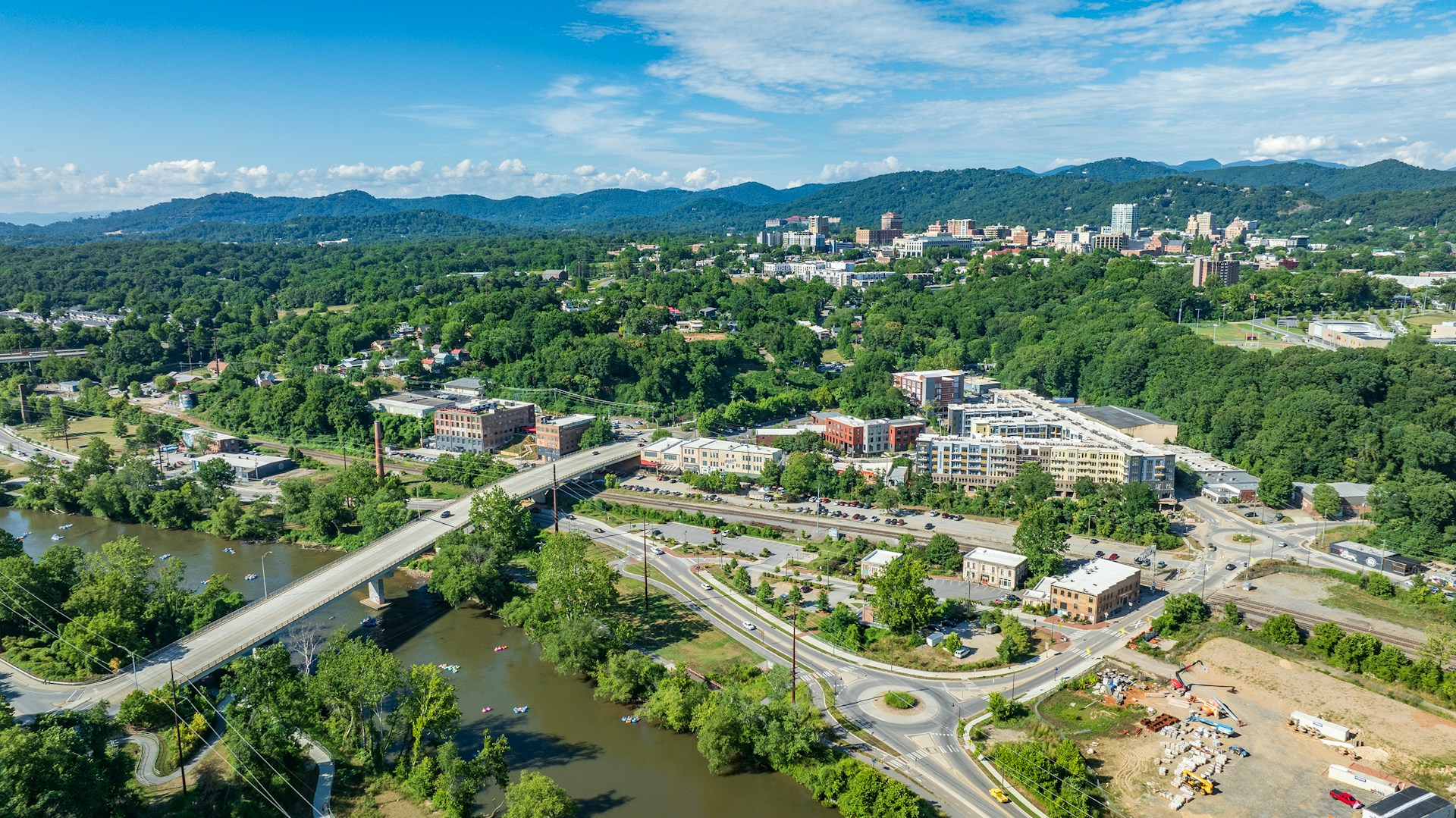
7. Asheville, North Carolina: The Best Wellness City of 2026
For Asheville, topping the ranking means far more than bragging rights about travel.
In September 2024, Hurricane Helene devastated Asheville and its surrounding areas. In the River Arts District, record flooding damaged 80 percent of the buildings.
Since then, the nonprofit RADA Foundation has helped more than 500 artists and local businesses get back on their feet. The hospitality and outdoor adventure sectors are recovering too.
With 95,000 residents and nestled in North Carolina’s Blue Ridge Mountains, Asheville packs a remarkable range of experiences into one place.
These include a network of hiking trails for every skill level, plus the North Carolina Arboretum, which features more than 10 miles of paths right off the Blue Ridge Parkway.
Beyond the outdoors, there’s a vibrant arts district along the French Broad River, a culinary scene rooted in Appalachian cuisine, and an intimate music venue, The Orange Peel, which has hosted legendary acts like Bob Dylan, The Killers, and the Beastie Boys.
For the EatingWell ranking, that blend of hard data and community resilience was more than enough to put the city at number one.
For a city still rebuilding, the recognition couldn’t have come at a better time.
These seven cities are proof that travel is shifting toward something more intentional — and that the United States, happily, has no shortage of places to make it possible.