



The Haute-Provence region of southern France sits just inland from the glamorous Côte d’Azur, the Mediterranean coast that draws millions of visitors each summer to Cannes and Saint-Tropez.
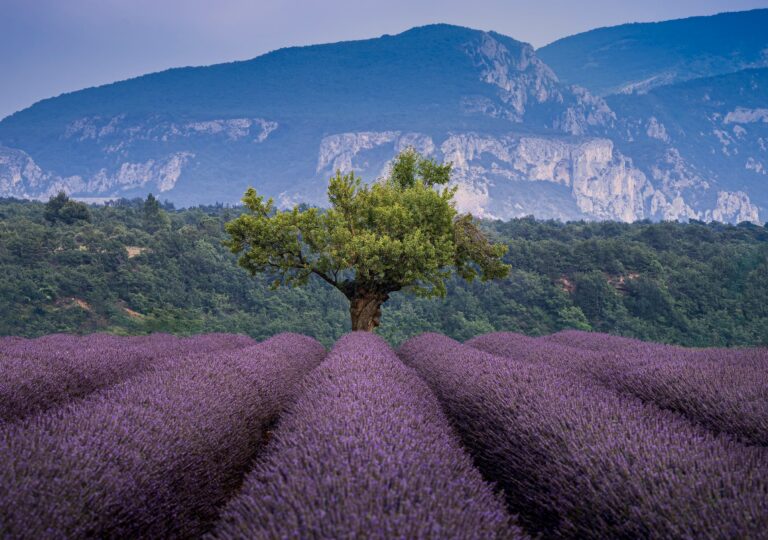
Move away from the coast and head into the interior, and the landscape shifts. The terrain flattens, valleys open up, and farmland takes hold. Then, as early summer arrives, this beautiful countryside turns purple — a blanket of blooming lavender that ranks among the world’s most remarkable natural spectacles.
Lavender grows in many parts of the world, but the lavender fields of this corner of France have a worldwide reputation for their sheer scale and visual drama, and have even inspired an official Lavender Route through Haute-Provence, a region still full of places to discover.
The Lavender Route of Haute-Provence: A Riot of Purple
By June, the valleys of Provence have become something straight out of a storybook. The lavender fields reach full bloom, flooding the countryside with an unmistakable violet hue and a fragrance so thick it seems to hang in the air. Thousands of visitors make the journey for exactly this — to stand inside that color, inside that scent.
Provence has always been a welcoming destination, and early summer is its peak season, when visitors arrive from around the world to explore its lavender routes.
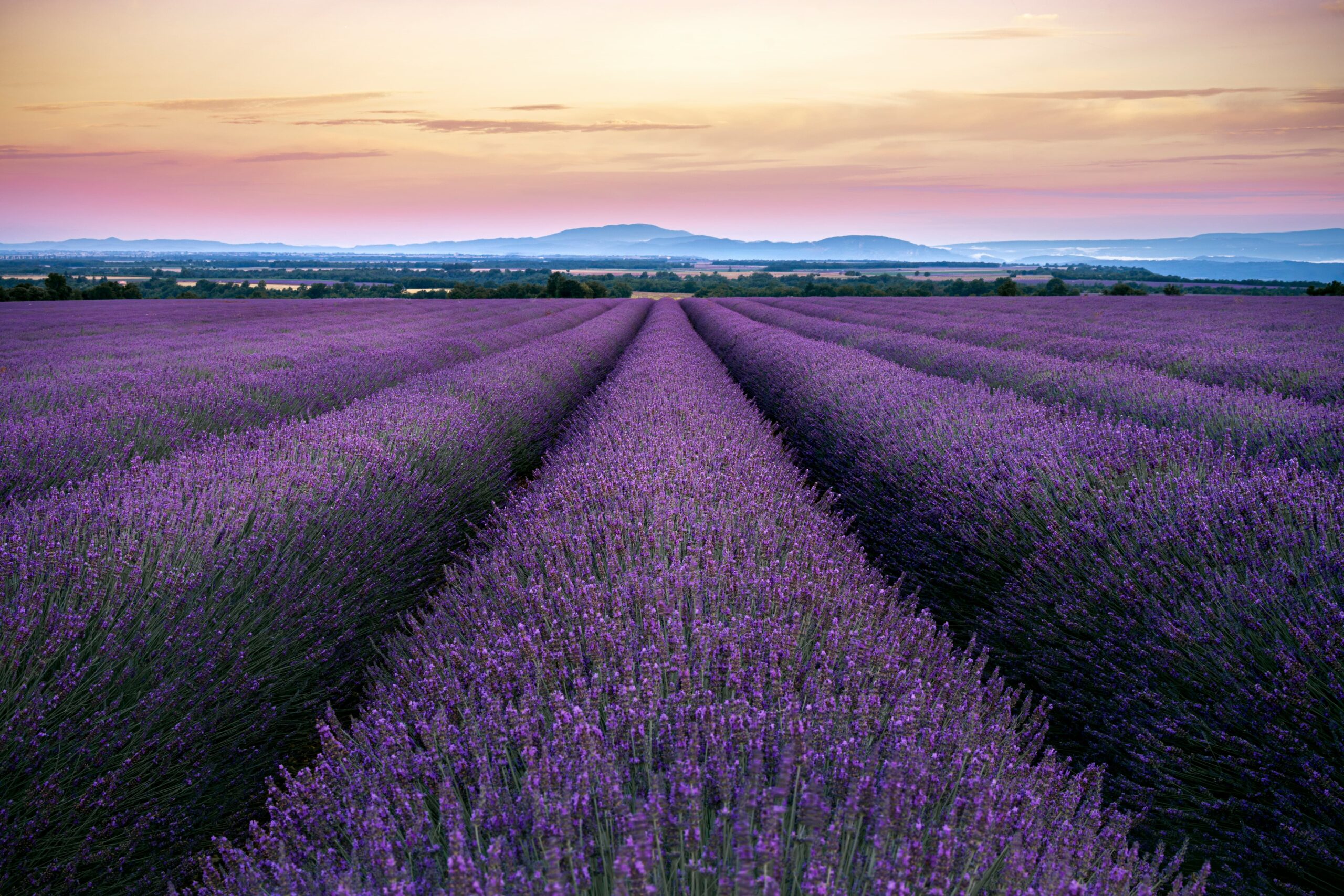
A few villages stand out. Valensole, Forcalquier, and Gordes are among the most visited, and for good reason — the vast lavender fields surrounding each of them create views you won’t soon forget.
The region is also known for its wines, and many lavender estates bottle their own vintages, so a stop at a local domaine fits naturally into any itinerary.
Several routes exist, some beginning in larger cities like Aix-en-Provence or even Marseille. But the Valensole plateau is the undisputed centerpiece — the area with the largest and most photogenic fields, and the one no visitor should miss.
The hilltop village of Gordes, perched dramatically above the valley on a sheer limestone bluff, is another must-see. Listed among the Plus Beaux Villages de France, it is widely considered one of the country’s loveliest villages.
Nearby, the village of Roussillon is worth a detour for an entirely different reason: it sits atop deep ochre earth, and its buildings seem to have absorbed the color of the ground beneath them, giving the whole place an otherworldly warmth.
The contrast between such different landscapes, often separated by only a few miles, is part of what makes Provence so special. Few regions in the world offer this much variety in such a compact space.
The Irresistible Charm of Provence
Early summer is the obvious time to visit, and it pairs naturally with a trip down to the Côte d’Azur for its beaches and famous hotels. But Provence is just as rewarding in autumn or spring, when its most picturesque villages feel quieter and more authentically local.
One good example is L’Isle-sur-la-Sorgue, a short drive from Avignon. The town is built around a network of canals, its low, sun-warmed architecture quintessentially Provençal. It is also famous for its Sunday market and antiques dealers, which draw visitors from all over the region.
Provence as a whole covers thousands of square miles, so there is plenty more to explore.
Avignon, Nîmes, and Arles are the region’s largest cities, yet each keeps the warmth and unhurried pace Provence is known for.
Outdoor lovers are well served too. The Alpilles and Luberon regional nature parks protect some of the most pristine landscapes in southern France, while the Verdon River has carved spectacular gorges, with trails for every fitness level.
Provence is one of France’s best-known destinations, and its appeal to international visitors continues to grow. Yet many travelers arrive with no idea how much the region has to offer — villages that seem lifted from a fairy tale, landscapes that stay with you long after you’ve left. Whether you come for a few days of luxury along the Côte d’Azur or to lose yourself in the lavender fields of Valensole, Provence rewards every kind of traveler.