

There are cities that earn a nickname for what they are. Mdina earned its nickname for what it stopped being.
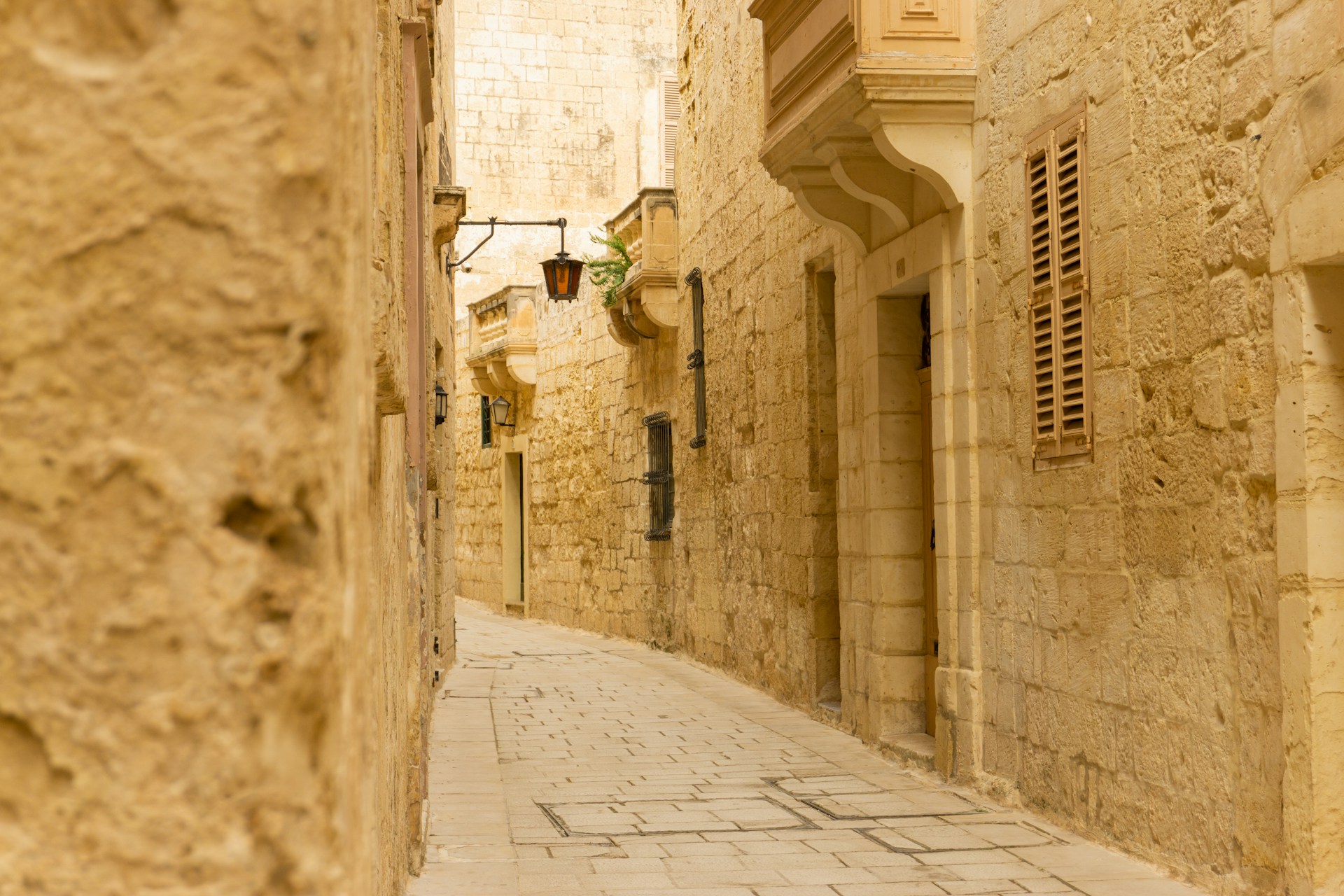
For nearly two thousand years, it was the capital of Malta—the island’s political, religious, and military center. Today, with barely 250 people living within its walls, it is known as the “Silent City.” That silence is neither an accident nor simply a matter of the hour. It is the mark left by a decision made almost five centuries ago.
From Capital to Ghost Town: The Real Story Behind the Nickname
The hilltop on which Mdina stands has been settled for roughly 4,000 years.
Phoenicians, Romans, Arabs, and Normans each left their architectural imprint on the site. The city’s name itself comes from the Arabic madinah, meaning “city,” introduced during the Muslim occupation of the island in the ninth century.
Throughout the Middle Ages, Mdina served as the seat of the Maltese nobility and the island’s administrative heart. The most powerful families built their palaces here, and many of those properties have stayed in the same families for generations.
Then, in 1530, the Order of the Knights of St. John arrived in Malta and moved the capital toward the coast—first to Birgu, then to what is now Valletta, a location far better suited to naval defense.
That move stripped Mdina of its political purpose almost overnight. Residents drifted toward the new capital, commerce dried up, and a city that had once hummed with power began to empty out.
The nickname that followed was not born of natural tranquility. It was born of abandonment.
A Living Museum With Centuries of Palace Intrigue
The legacy of Mdina’s noble past is not only architectural. It’s also a history of power struggles that reads almost like fiction.
Arranged marriages to secure inheritances, disputes over titles, alliances forged and broken within the same stone walls—for centuries, the daily life of the Maltese aristocracy wouldn’t feel out of place in a medieval fantasy epic.
It is no surprise, then, that when HBO was scouting a real-world location for King’s Landing in the first season of Game of Thrones, it chose Mdina.
The city’s main gate and Mesquita Square served as the backdrop for some of that season’s most memorable scenes, before production relocated to Dubrovnik for subsequent episodes.
For fans hoping to visit the show’s filming locations, Mdina should be near the top of the list.
What to See Inside the Walls
Most visits begin at Mdina’s commanding main gate, an 18th-century baroque structure fronted by a former moat that is now a garden.
Once inside, St. Paul’s Cathedral is the essential stop. According to local tradition, this is where the shipwrecked apostle met the Roman governor Publius. The cathedral rises above much of the city, its dome visible from miles away. An adjoining museum houses a collection of sacred art.
A short walk away, Palazzo Falson, a 13th-century noble residence turned museum, offers an intimate look at how the Maltese aristocracy actually lived. Its collection of antique weapons, artwork, and rare books is housed around a courtyard that blends Arab and Mediterranean influences.
For those drawn to darker history, the Mdina Dungeons use dioramas to recreate the punishments and tortures inflicted by the island’s various rulers over the centuries.
Also worth seeking out is Bastion Square, at the city’s northern edge, where a panoramic view stretches over much of central Malta and, on clear days, reaches all the way to the coast.
Getting There and Getting Around
Mdina sits at the center of the island, directly adjacent to the town of Rabat, about 8 miles from Valletta, Malta’s capital.
The most affordable way to arrive is by bus. Lines 51, 52, and 53 depart every ten minutes from the Valletta terminal and take roughly half an hour; an all-day ticket covers the fare.
No buses enter the walled city itself, so visitors disembark in Rabat and walk about a third of a mile to the main gate. Taxis and ride-hailing apps like Bolt are also options, though they too must stop outside the walls.
For decades, Mdina has banned private vehicles from its historic center, with exceptions only for residents with permits, wedding cars, and emergency vehicles. That policy goes a long way toward preserving the atmosphere that gives the city its name.
Drivers can leave their cars in parking areas just outside the main gate or near the Domus Romana in Rabat.
Entry to the streets themselves is free; admission fees apply only to specific sites such as the cathedral, Palazzo Falson, and the dungeons.
Where to Stay Inside the Walls
The vast majority of visitors see Mdina in a day and sleep in Valletta, Sliema, or somewhere along the coast. But there is a lesser-known alternative: spending the night inside the walled city itself.
Xara Palace Relais & Chateaux is, in fact, the only hotel within Mdina’s walls.
This 17th-century palazzo, reimagined as a five-star boutique hotel, offers 17 rooms and suites, a Michelin-starred restaurant (De Mondion), and a terrace with sweeping views over the Maltese countryside. It sits on Misrah il-Kunsill, Mdina’s central square, steps from both the cathedral and Palazzo Falson.
A smaller and equally well-placed option is Palazzo Bifora, a restored 17th-century palace with just six suites and a rooftop terrace overlooking the city’s skyline.
Staying in either property offers something a day visit cannot: the chance to remain after the tour groups have gone and experience firsthand the nighttime quiet that gave the city its name.
Day and Night: Two Different Cities
The experience of Mdina shifts considerably depending on the hour.
During the day, particularly between mid-morning and late afternoon, the city sees the bulk of organized excursions from Valletta and other tourist centers around the island. The streets near Mesquita Square and the cathedral can feel genuinely crowded.
After sunset, the dynamic reverses. Most visitors leave, the museums close, and the streets belong again to the fewer than 300 people who actually live here—spread across a historic center of less than half a square mile.
That is when the nickname becomes literal. The lighting dims, the noise falls away almost entirely, and walking the stone alleyways feels almost like stepping back through the centuries.
If you can arrange it, those who know Mdina well usually suggest splitting your visit in two: see the monuments and museums during the day, then come back after dark—even briefly—to encounter the other city, the one that earned the name.


