






The puma is considered a vulnerable species worldwide, with fewer than 50,000 individuals split among just six subspecies.
In Chile, where pumas range across almost the whole country, WWF has spent years working toward their conservation.
Since 2025, that work has gained an unexpected partner: Parfums Christian Dior, through its Sauvage line, which renewed its financial and communications support for a program aimed at restoring up to 123,000 acres of safe habitat for the puma before 2030.
A Feline That Holds Entire Ecosystems Together
WWF Chile describes the puma as an umbrella species—a term biologists use for animals whose protection indirectly benefits the entire ecosystem they inhabit.
The puma regulates the populations of guanacos, deer, hares, and rodents it preys upon, and that natural check on prey populations ripples outward, shaping the balance of vegetation and other species across the same habitat.
Despite that central role, the global puma population declined steadily over the past two centuries, driven primarily by hunting and the fragmentation of the species’ natural range.
Chile’s pumas can live up to 13 years. They stand roughly 35 inches tall, measure up to about 9 feet from nose to tail, and males can weigh as much as 220 pounds.
They are solitary animals, most active at dusk and dawn, capable of reaching speeds of nearly 50 miles per hour when pursuing prey.
Nahuelbuta, the Heart of the Project
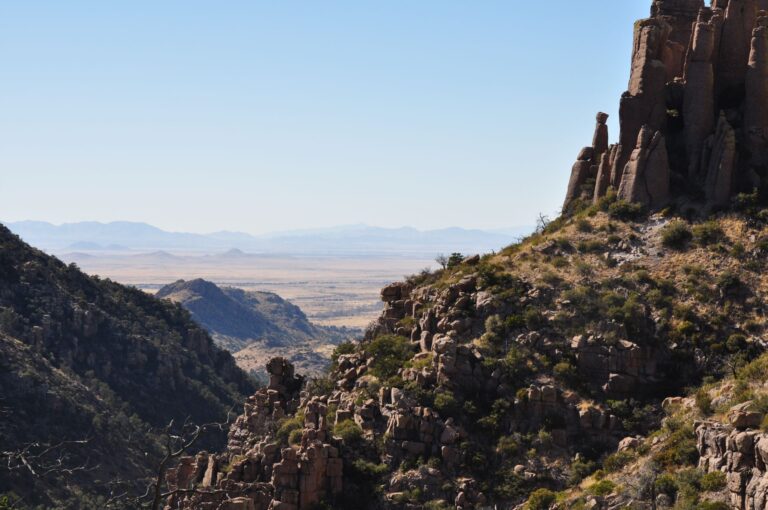
The program is centered on the Nahuelbuta mountain range, in south-central Chile—one of the last places in the country where relatively intact native forests remain.
There, WWF works to identify critical zones for the species and to establish ecological corridors.
These corridors are strips of vegetation that connect isolated forest fragments, letting pumas move between territories without getting stranded in patches too small to support a healthy population.
Coexistence, the Program’s Defining Word
Restoring acres of forest is only part of the work.
Liliana Ortiz, strategy and science coordinator at WWF Chile, sums up the other half of the challenge plainly: people and pumas share the same ecosystem, and both must learn to live alongside each other.
A significant portion of the program is devoted to exactly that—training rural communities near puma habitat to reduce conflict with local livestock farmers, one of the primary reasons these cats have historically been hunted throughout the region.
Where Dior Fits Into This Story
Parfums Christian Dior’s support for this project is no one-off gesture. It is part of a broader environmental strategy by the LVMH group called LIFE 360, which aims to regenerate roughly 12.4 million acres of natural habitat around the world before 2030.
Within that framework, the brand already maintains two similar projects alongside WWF: one focused on the Eurasian lynx, in the French regions of the Jura, the Vosges, and the Vercors, and another dedicated to the jaguar, with a conservation corridor of roughly 37,000 acres stretching between Mexico and the United States.
What This Means in Practice
Partnerships between luxury brands and environmental organizations tend to divide opinion.
Supporters argue they channel significant financial resources toward conservation projects that would otherwise depend almost entirely on public funding—always scarce relative to the scale of the challenge.
Critics counter that they risk functioning more as a branding exercise than as a genuine environmental commitment, particularly when the actual sums invested aren’t disclosed as prominently as the headline goal.
Beyond that debate, the target of 123,000 acres restored in Nahuelbuta by 2030 will be judged over time: either the forest recovers, and pumas move freely through those corridors again, or it doesn’t.
Ultimately, time will tell whether there’s something more behind the announcement than a good story.