
Alongside Beijing and Shanghai, the Chinese city of Xi’an, in Shaanxi province, ranks among China’s top tourist destinations. Visitors are drawn by the majestic Mausoleum of the Terracotta Warriors, about an hour’s drive from Xi’an, to explore the legacy of one of history’s most powerful empires.
In 1974, while digging a well during a severe drought, a farmer stumbled upon a finely sculpted terracotta warrior. He could never have imagined that his find would lead to the discovery of an army of thousands of soldiers, now known around the world as the Terracotta Warriors.
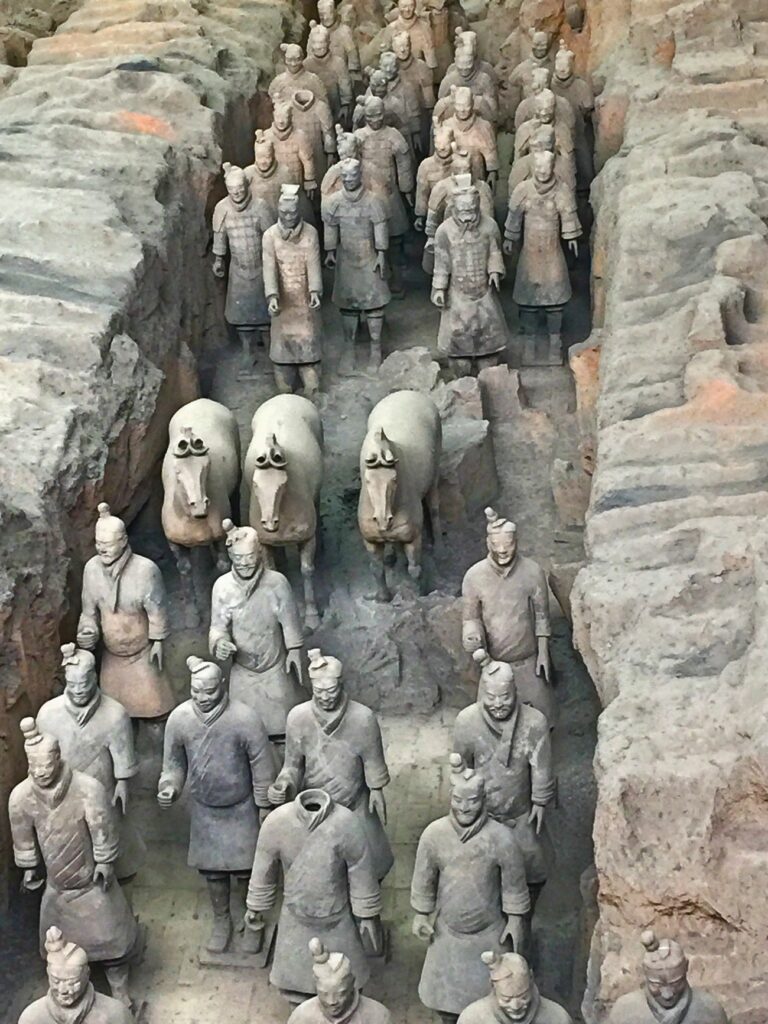
Farmers in earlier times had also come across similar figures, but with no ancient texts to explain them, they assumed the statues were evil spirits and either destroyed or reburied them. So how did they get there?
The story begins in 210 BC, with the death of Qin Shi Huang, the first emperor of the Qin Dynasty. Also known by his personal name, Ying Zheng, he is credited with building the Great Wall, abolishing feudalism, and unifying China. He is believed to have been poisoned at the age of 39. By then, work on his colossal mausoleum — guarded by over 8,000 life-sized figures of warriors and horses — was already well advanced. His aim was to recreate his empire underground so he could continue to rule from beyond the grave.
Remarkably, every statue has unique features. Even more striking, the statues were once painted in vibrant colors — pigments that faded the moment they were exposed to air during excavation.
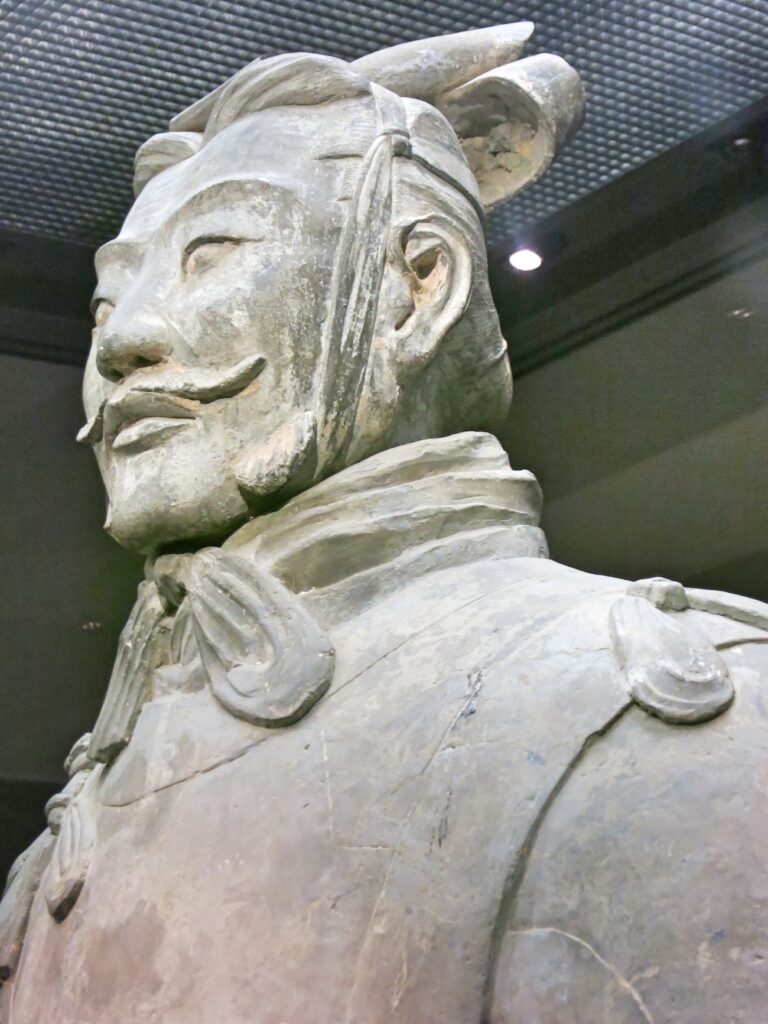
The techniques behind this masterpiece remain a mystery, though after traces of European DNA were found in the area, some theories suggest that the Greeks may have shared their sculpting methods with the Chinese.
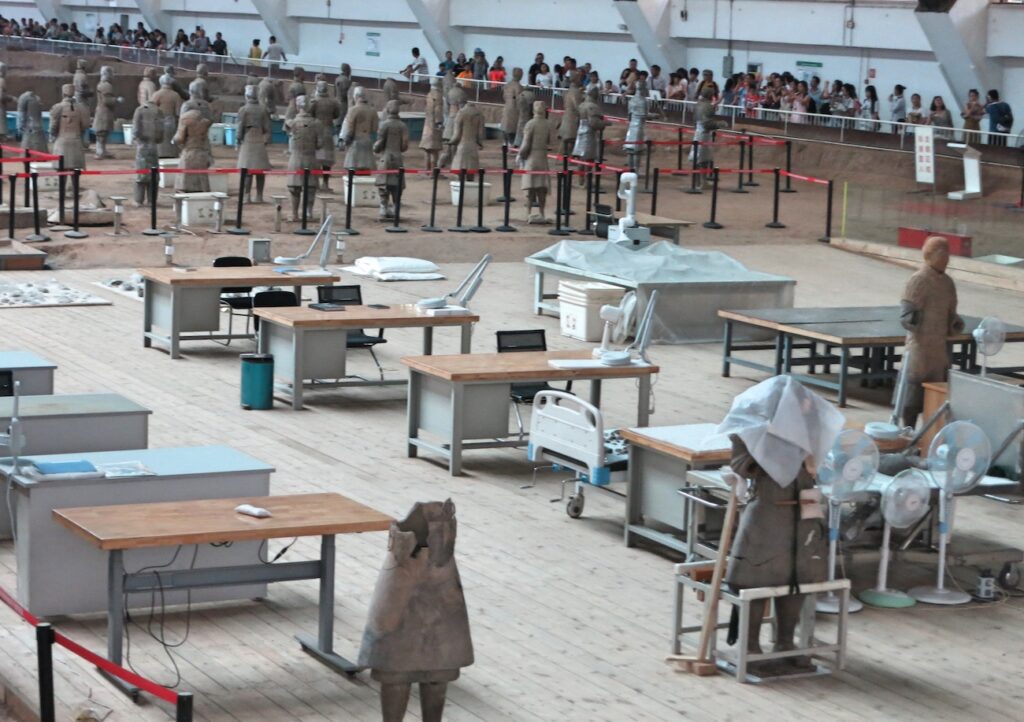
The vast burial complex of the Terracotta Warriors lies between the Wei River and Mount Li, and was declared a UNESCO World Heritage Site in 1987. The site includes a museum and several pits, of which Pit One is the most impressive and best preserved. Commanders, warriors in attack formation, horses, chariots — it’s a collection unlike any other.
No one has dared to enter the emperor’s tomb itself. Some attribute this to the moats of mercury surrounding the tomb, said to have been designed to mimic rivers in the afterlife; others claim the chamber is still protected by mechanical crossbows. Still others fear that exposure to air would destroy whatever lies inside. What’s more, much of the site remains unexcavated.
How many treasures did Qin Shi Huang take to the grave?
Beyond the Terracotta Warriors, what else is there to see in Xi’an?
The bustling center of Xi’an is also well worth exploring.
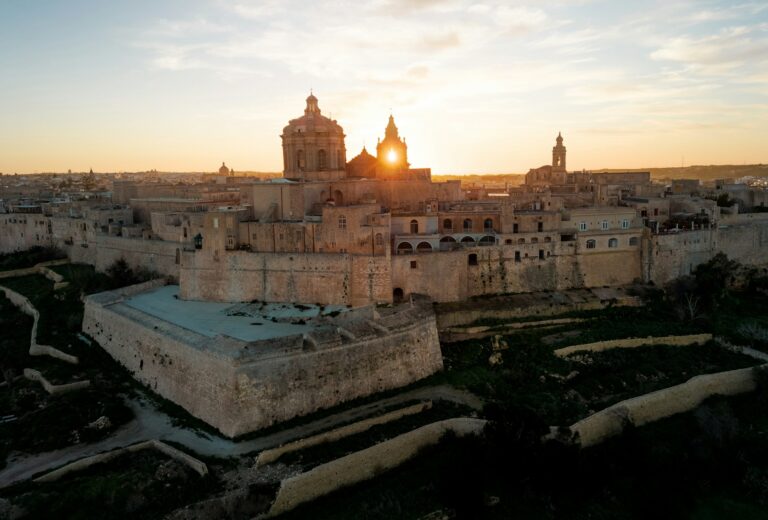
The wall surrounding the oldest part of the city, built in the 14th century during the Ming dynasty, is one of the best-preserved in China. Inside, be sure to explore the Muslim Quarter, home to a thriving Chinese Muslim community for centuries.
Xi’an is also home to two iconic landmarks found in many Chinese cities: the Drum Tower and the Bell Tower.
Where to stay in Xi’an
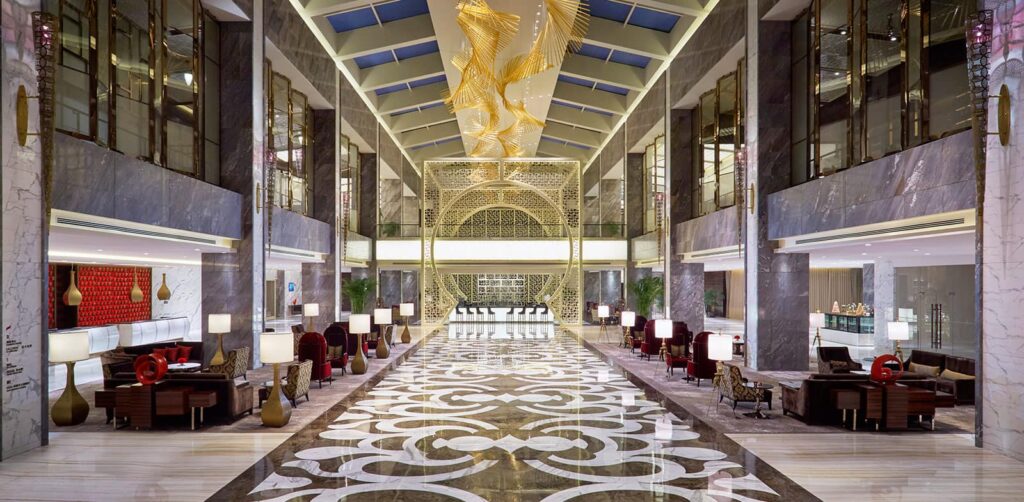
The Gran Meliá is the perfect place to unwind after a long day of sightseeing. With private gardens, a gym, spa, pool, and several restaurants, it delivers a luxurious five-star stay.