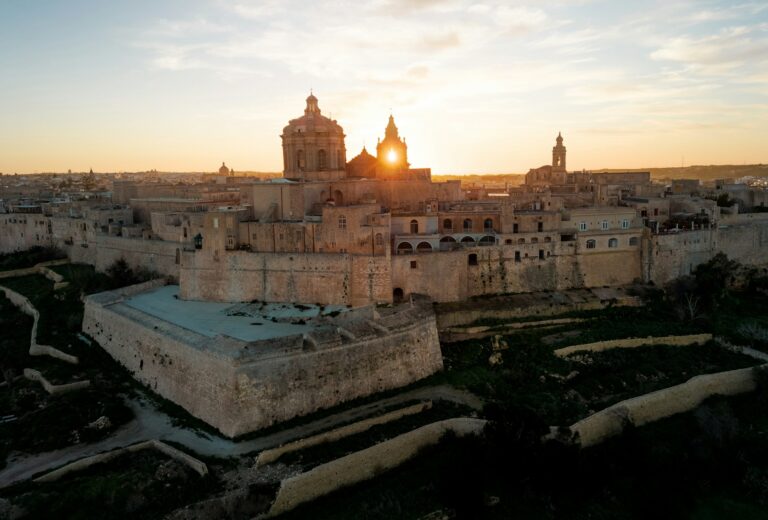

Copenhagen has claimed the top spot for the second consecutive year as the world’s most livable city, according to the Economist Intelligence Unit’s Global Liveability Index 2026.
The study evaluated 173 cities across five categories — stability, health care, culture and environment, education, and infrastructure — placing the Danish capital at the top, followed by Vienna, Melbourne, Sydney, and Zurich.
Beyond the scores, each of these five cities has found its own way of making daily life work.
1. Copenhagen: Cycling as Routine, Not Exception
Copenhagen scored 98 out of 100, with perfect marks in stability, education, and infrastructure, 96 in health care, and 95 in culture and environment.
The numbers, however, only tell part of the story.
A better explanation lies in its streets, designed for bicycles before cars, and its canals, where swimming in the middle of the city is perfectly ordinary. The city is even building a new public waterfront bath to expand that tradition.
Copenhagen has also been actively recruiting burned-out professionals from abroad, promising a slower pace of life, and locals say it’s that mix of infrastructure that works and an unhurried rhythm that keeps them from leaving.
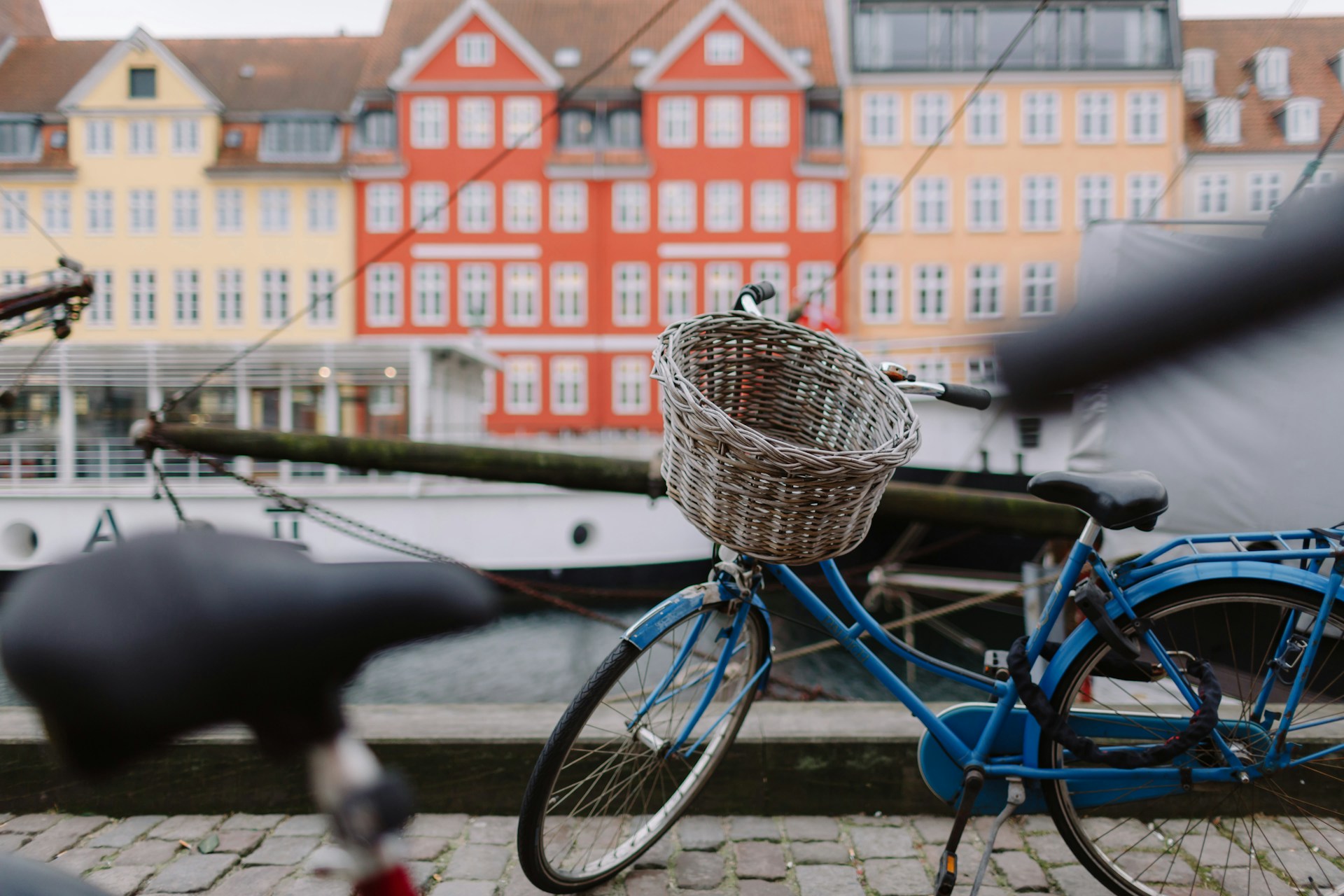
2. Vienna: The City That Knows How to Host
Vienna finished second with 97.1 points, after leading the index for three consecutive years before losing the top spot to Copenhagen in 2025.
This year, it cemented its reputation as a city that hosts the world.
It welcomed Eurovision for the third time — an event followed by roughly 200 million viewers — and also staged the first World Tram Driver Championship, Vienna Design Week, and a steady stream of United Nations meetings, OPEC sessions, and gatherings of the International Atomic Energy Agency.
That knack for staging global events sits alongside what Vienna has always offered: quality public housing, efficient transit, and a cultural life that does not depend on tourist season.
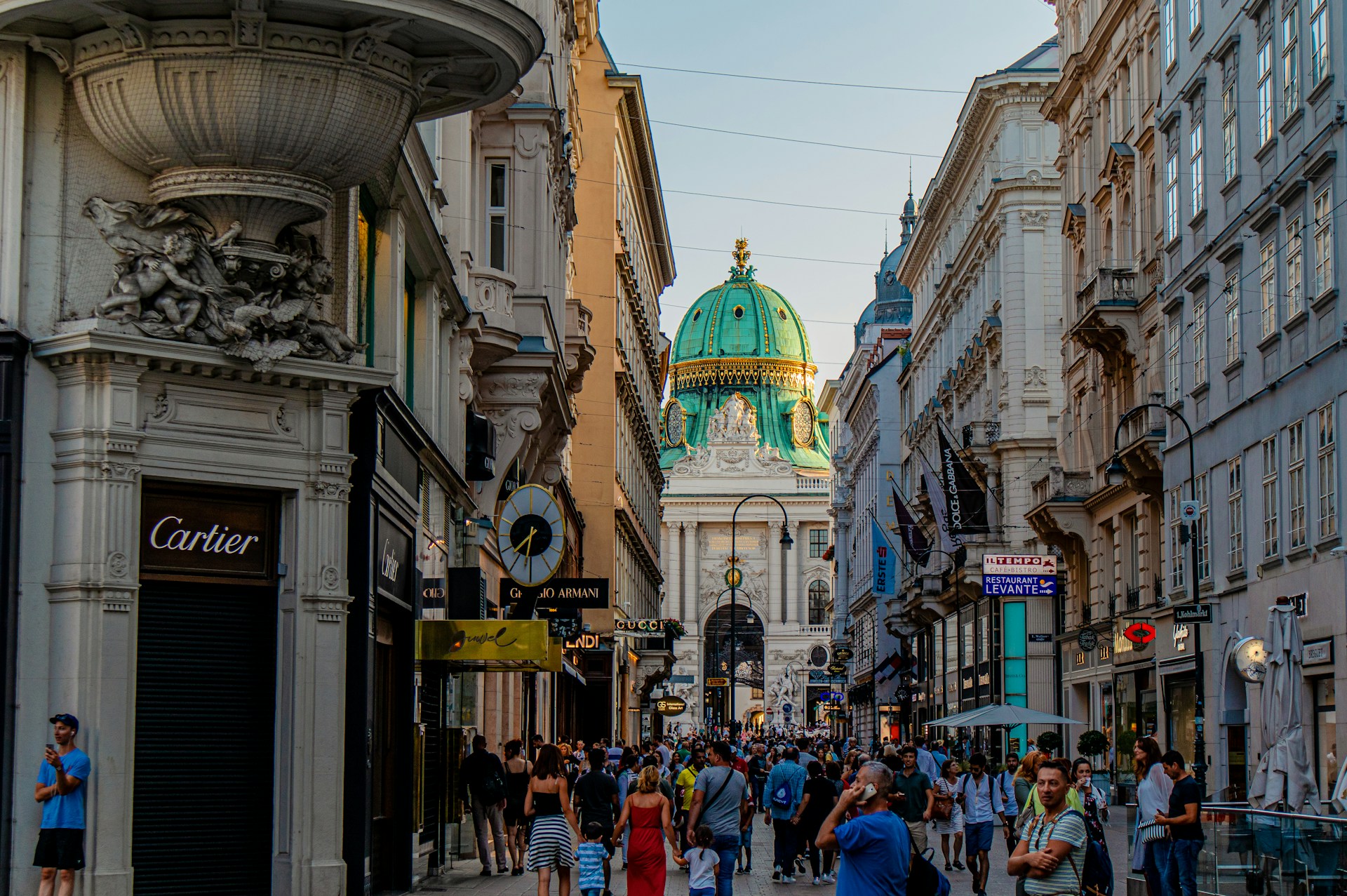
3. Melbourne: A City Built from Neighborhoods
Melbourne rose to third place with an overall score of 97.
Its strength lies where culture and environment meet. Each of the city’s neighborhoods has its own identity, shaped by cultural diversity, food, and a creative energy visible in the street art and pedestrian laneways of the center.
Urban parks serve as daily gathering places, and that mix is what residents describe as an unusual sense of community for a city of its size.
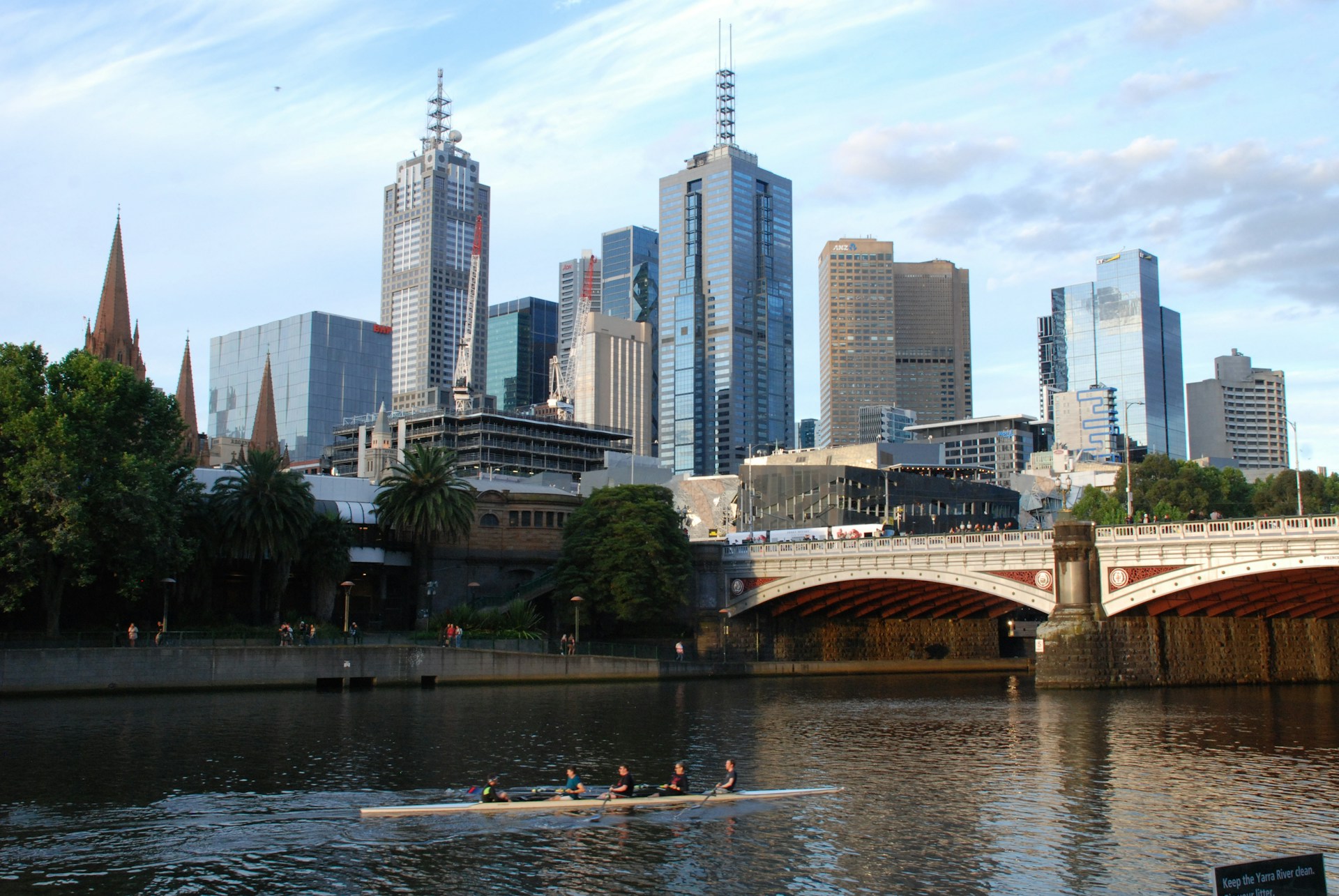
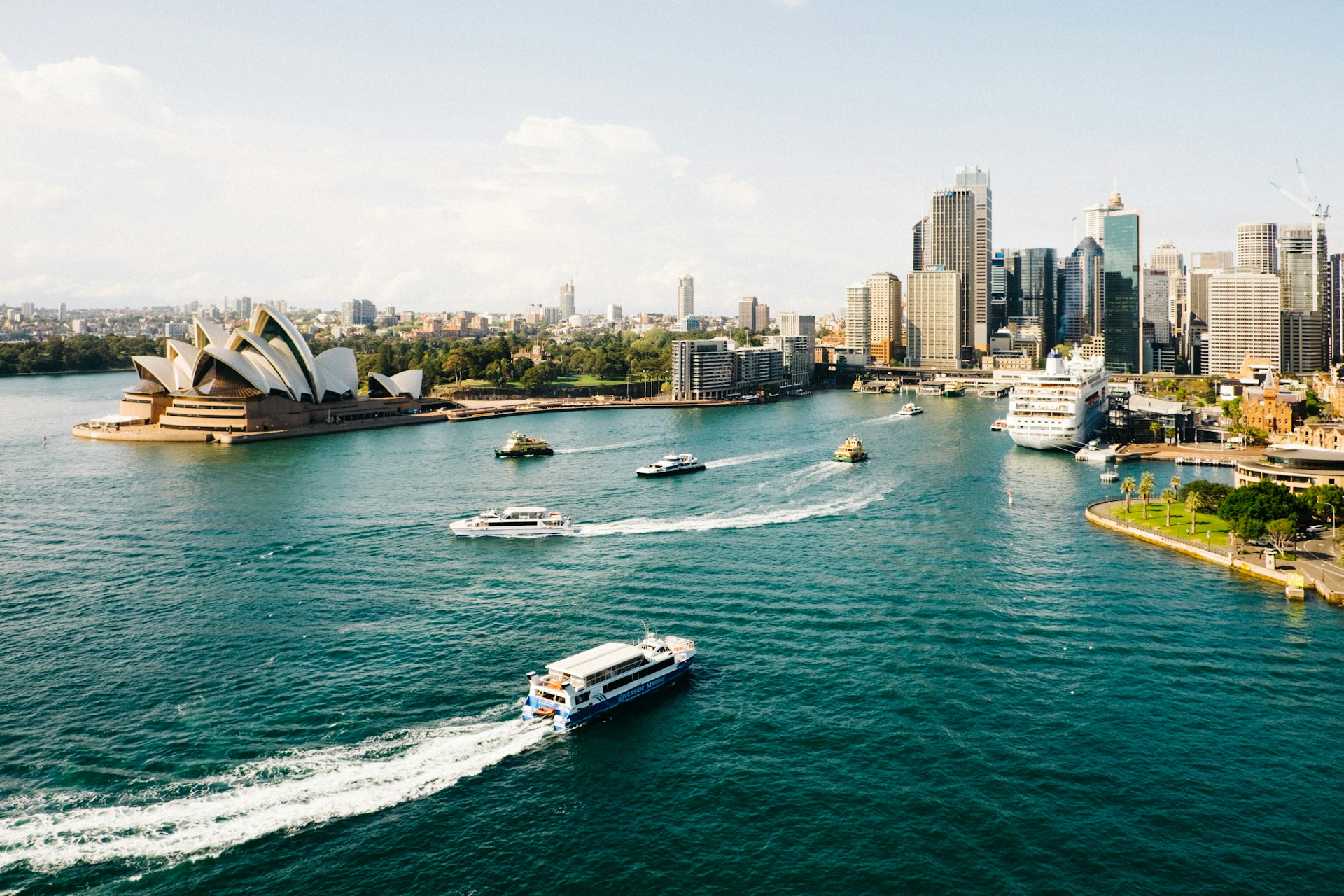
4. Sydney: Outdoor Life as Urban Infrastructure
Sydney climbed from sixth to fourth place, tying Melbourne on the overall score, with top marks in health care and education.
Its more than 100 beaches, the harbor, and the nearby Blue Mountains remain its most obvious selling points, but the city has also undergone years of infrastructure modernization.
George Street, its main artery, has been fully pedestrianized and now anchors new light rail lines that returned tram service to the city center.
According to Steve Kamper, New South Wales Minister for Tourism, the mix of cultures and a neighborhood feel inside a global city is what sets Sydney apart. He recommends venturing beyond the bridge-and-Bondi circuit to explore neighborhoods like Burwood, in the inner west.
5. Zurich: The Luxury of a City That Runs Itself
Zurich rounds out the top five.
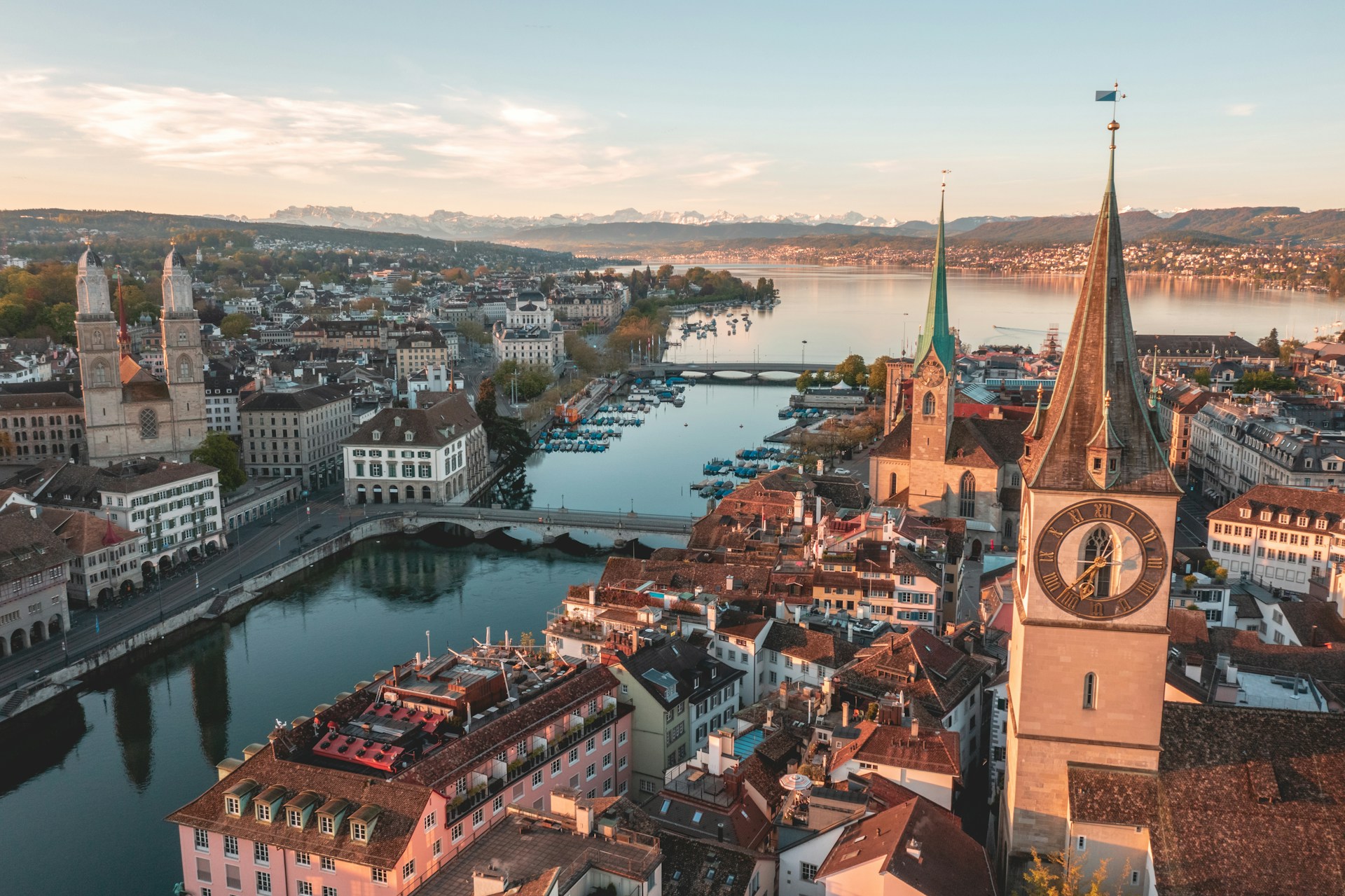
It is the smallest city in the group and, according to several international studies, also the most efficient: trams run on time, the lake and the two rivers that cross the city are clean enough that some residents swim to work in summer, and drinking fountains are distributed throughout the city.
Prices are high, but salaries make up for it, and the Alps are an hour away.
That combination of order, easy access to nature, and prosperity is what keeps Zurich on the podium year after year.
What’s Moving Behind the Podium
The global average score held steady at 76.1 out of 100, unchanged from 2024 and 2025 — but that flat number hides movement in both directions.
Health care improved across much of the world, particularly in Asia, while stability declined due to the war between Israel and Iran, which dragged down scores across the Middle East and North Africa. Cities in that region fell an average of more than three places.
Muscat, in Oman, suffered the steepest drop of any city, falling 14 places. Kuwait City fell 12. At the other end of the spectrum, Fuzhou, in China, climbed seven places on the strength of improved health indicators, with other Chinese cities — Wuxi, Nanjing, and Qingdao — also advancing for the same reason. Lisbon gained six spots.
New York posted one of the year’s most notable jumps — from 69th to 66th — driven entirely by a sustained decline in crime and a lower perceived threat of terrorism.
Even so, no American city broke into the top ten. The highest-ranked U.S. city was Honolulu, at 93rd. At the opposite end of the table, Damascus finished last among all 173 cities evaluated.
A Ranking Dominated by Mid-Size Cities
None of the top ten cities has more than two million people in its urban core.
Copenhagen, Vienna, and Zurich are not the largest capitals in their own countries by total metropolitan area, and Melbourne and Sydney compete for that title within Australia — not on any global scale.
What distinguishes them is not size or the world’s highest per capita income, but the fact that they solved all at once what many megacities manage only in pieces: transit that works without friction, green space within walking distance, and a sense of safety that does not depend on which neighborhood you happen to live in.
In a year when global instability cost dozens of cities points on the index, that combination was, once again, what separated the podium from the rest of the field.