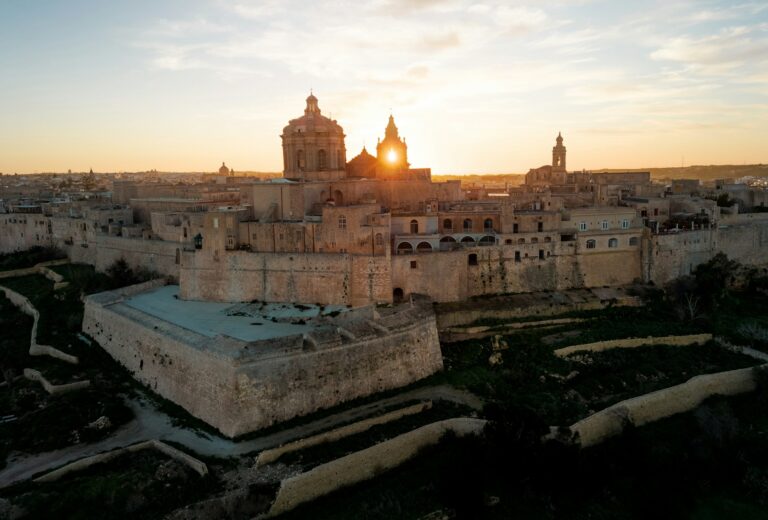

Night tourism is built on a simple premise: nightfall is not the end of a travel experience but the start of a new one.
When museums close, beaches empty out, and cities go quiet, something shifts. The sea can glow with a blue light — no artificial source required. Predators emerge to hunt. The sky, free from light pollution, reveals what it normally hides from view.
The numbers back up this growing trend.
A survey of more than 27,000 people in 33 countries, conducted by Booking.com, found that more than 60% of travelers expressed interest in nocturnal experiences — safaris, stargazing, and urban walks after sunset. It reflects a shift in mindset that has been building for years, crystallizing in 2025 as one of the defining trends in global tourism.
Luxury travel agencies such as Wayfairer Travel saw a 25% increase in nighttime excursions in 2024, particularly among younger travelers.
This is not about bar-hopping or conventional urban nightlife. Night tourism offers something more contemplative — experiences rooted in nature and, in many cases, in conservation.
Extreme Heat, Wildlife Sightings, and Bioluminescence: Three Forces Driving Travelers Into the Night
One factor the industry consistently identifies as driving night tourism is climate change.
According to Booking.com data, 54% of travelers plan to shift their activities to nighttime hours to avoid daytime heat, while 42% will choose cooler destinations. An additional 61% say they plan to limit their sun exposure to protect themselves from UV radiation.
The extreme heat affecting much of the world during summer months — particularly across the Mediterranean, Southeast Asia, and Latin America — is prompting travelers to rethink their plans.
Touring the ruins of Rome or Athens at noon in July has become an uncomfortable, often unbearable experience. Nighttime brings cooler temperatures, thinner crowds, and in many destinations, an atmosphere that feels entirely different.
Another factor driving the shift toward nighttime experiences is the possibility of encountering more species in their natural habitats. After dark, predators move, sounds change, and you witness behaviors that no guidebook photograph has ever managed to capture.
An estimated 70% of African mammals are nocturnal. That figure alone turns the traditional safari on its head. Daytime drives reveal only a fraction of the wildlife found in reserves across South Africa, Madagascar, and Zambia.
In South Luangwa National Park, travelers can observe nocturnal species including leopards, hyenas, and lions. Visitors also stand a far greater chance of witnessing behaviors that are simply impossible to observe in daylight.
This extends well beyond Africa. In Panama, guided night walks through Portobelo National Park and Isla Bastimentos Marine National Park allow visitors to spot species that remain hidden during the day: sloths in motion, kinkajous, night monkeys, and tree frogs.
These are destinations with a double life — and it’s the nighttime version that stays with you.
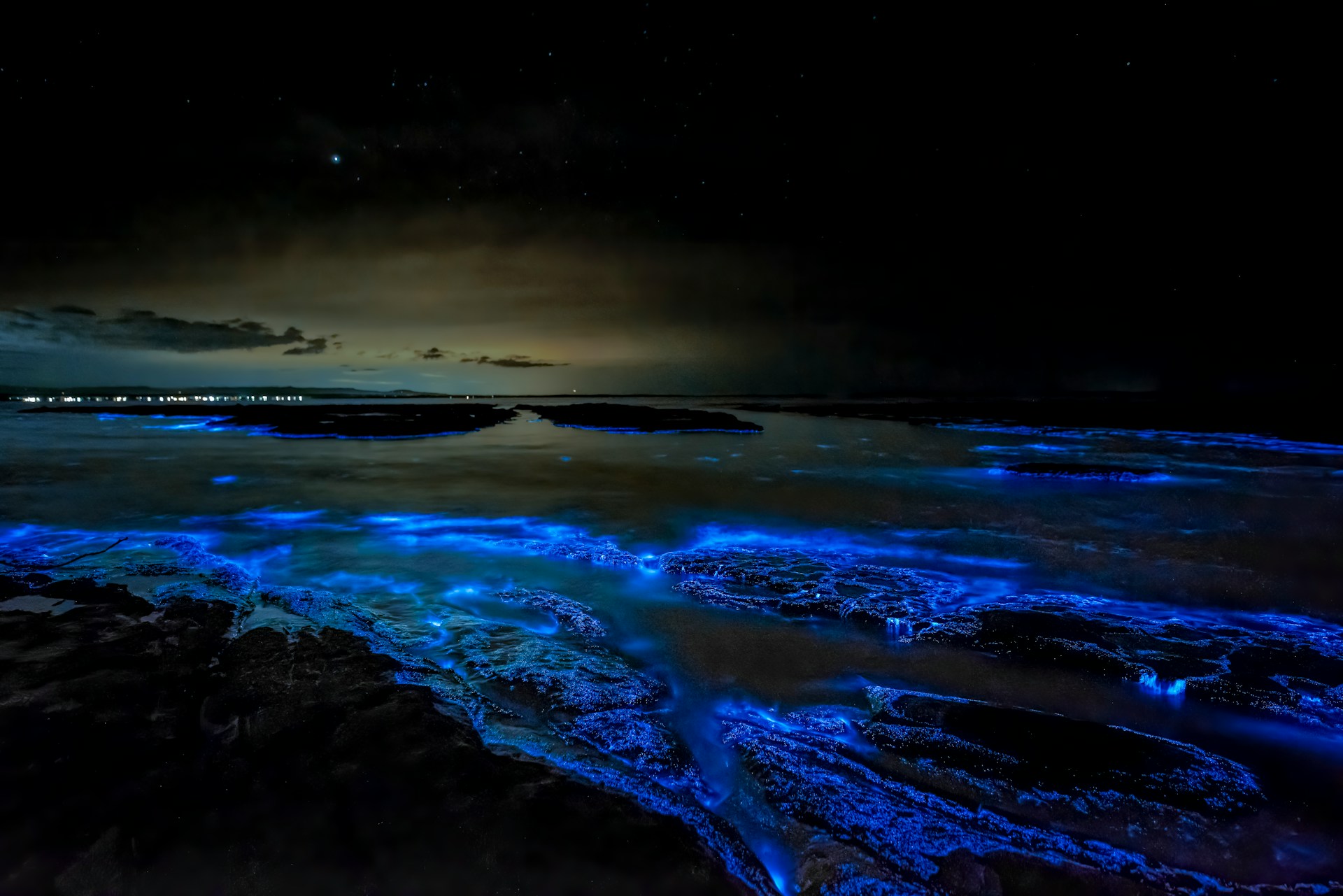
Bioluminescent beaches have become some of the most talked-about destinations in night tourism in recent years.
In Bocas del Toro, Panama, millions of microorganisms react to movement and produce blue flashes that illuminate the water. The effect — which looks like something straight out of science fiction — is entirely natural and depends on conditions no one can control: water temperature, the absence of moonlight, and wave action.
In the Dominican Republic, the Bioluminescent Bay at Isla Saona offers guided excursions for swimming in waters that glow with every movement. These are experiences that cannot be expanded without being diminished, which gives them an air of exclusivity — at least for now.
The Sky as a Destination
Astrotourism is one of the fastest-growing segments of night tourism. Light pollution blankets most of the world’s cities. In an average urban environment, the human eye can see roughly 500 stars. In a dark, high-altitude location, that number can exceed 15,000.
La Palma, in the Canary Islands, has laws specifically protecting its skies from light pollution and is home to one of the most advanced telescopes in the world. It was among the first destinations to earn both the Starlight Destination and Starlight Reserve certifications.
Namibia, the Atacama Desert, and the Australian Outback are other top destinations for travelers drawn to the night sky.
The solar activity peak of 2024–2025 made the Northern Lights more intense and frequent, boosting demand for destinations like Tromsø, Norway, widely regarded as the Northern Lights capital of the world. The city saw a steady rise in flights and excursions throughout that period.
Cities That Reinvent Themselves After Dark
Night tourism doesn’t belong to the natural world alone. According to the marketing director of TUI Musement, while certain cities lead the way — Bangkok, Phuket, Las Vegas, Prague — the trend is global, fueled in part by social media’s appetite for experiences that can’t be had in daylight.
Tokyo ranks among the best cities for nighttime tourism, prized for its safety and sheer range of after-dark activities. The Japanese capital offers more than 244 night tours, neon-lit streets, and a public transit system that runs around the clock.
Paris, Rome, Barcelona, and Lima all offer nighttime tours weaving together history, illuminated architecture, and local cuisine — and a chance to experience those cities without the daytime crush.
What sets night tourism apart from other travel trends is how many things it speaks to at once: the desire to escape mass tourism, concern about climate change, fascination with wildlife and natural phenomena that can only be experienced after dark, and the search for experiences that no screen can approximate.
According to experts at TUI Musement, nighttime tourism will continue to grow in step with sustainability efforts, as many destinations actively work to ease overcrowding at their most popular sites by building out after-dark experiences.
Darkness, it turns out, is a resource the world has only begun to explore.