


The Silk Road was a bridge between East and West — a living network that carried not just goods but ideas, faiths, and ways of understanding the world. Today, its historic sites are far more than ruins. They are the pulse points of the greatest circulatory system civilization has ever built.
This vast web stretched from the imperial Chinese capital of Xi’an all the way to the shores of the Mediterranean. For centuries, camel caravans moved silk, spices, and gunpowder alongside art and religion, threading together worlds that might otherwise never have touched.
Today, thousands of travelers and pilgrims follow its principal routes, moving through the crowded markets of Uzbekistan toward the Grand Bazaar of Istanbul.
To follow the Silk Road is to confront the immensity of unforgiving deserts and the sophistication of cities that were, in their time, the intellectual centers of the planet.
Among its many stops, the sites below carry a particular weight — historically, culturally, and in the imagination.
Xi’an: The Eastern Point of Departure
No conversation about the historic sites of the Silk Road can begin anywhere other than its eastern origin.
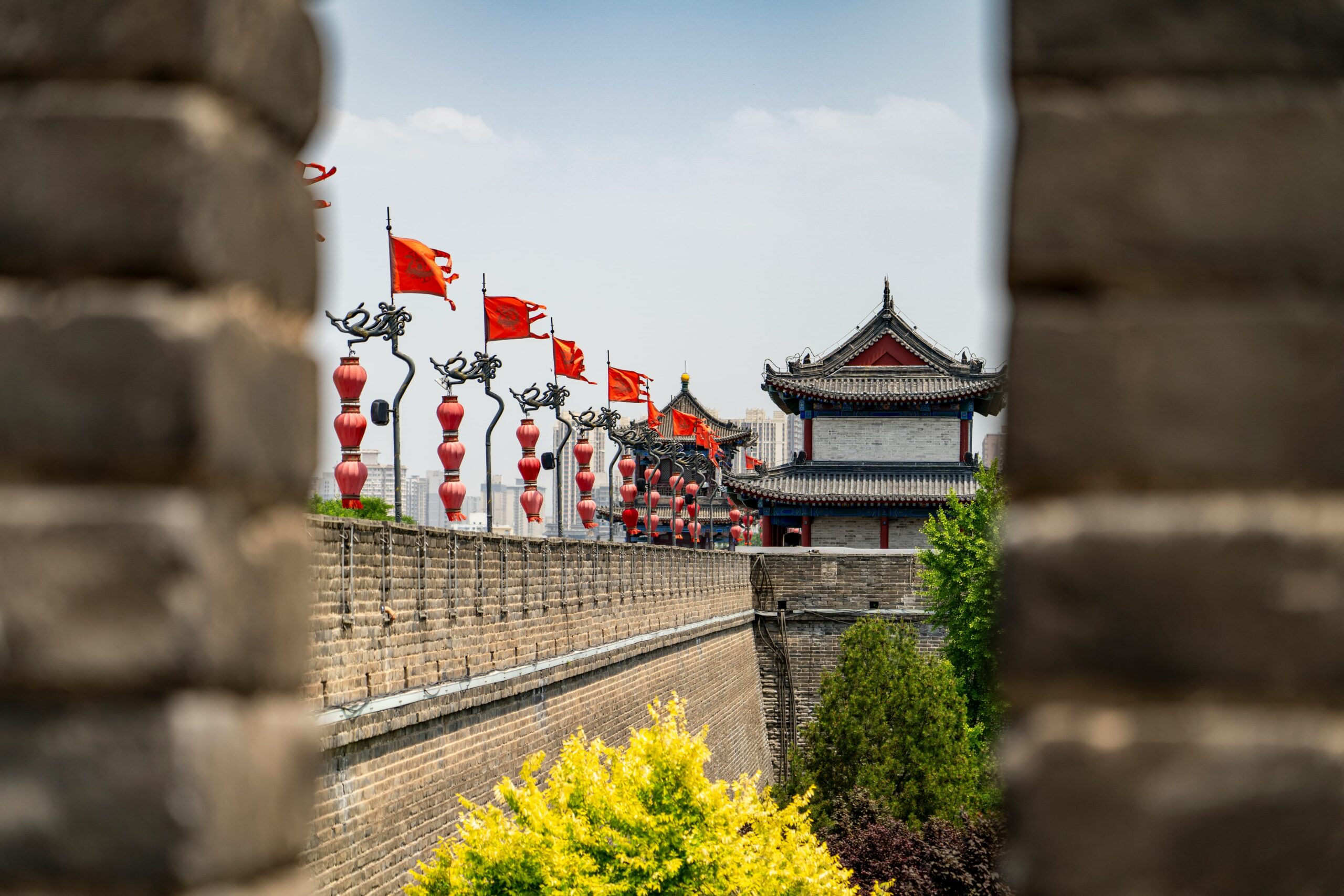
During the Tang dynasty, this metropolis was the capital of China and the largest, most cosmopolitan city on earth — a magnet that drew merchants, monks, and diplomats from the farthest reaches of Persia and India.
After passing through its massive walls — which still encircle the heart of Xi’an today — caravans set out on a journey of thousands of miles into the unknown.
The city still carries traces of that era. Its walls remain among the best-preserved defensive systems in the world, and the Muslim Quarter pulses with a vitality that feels ancient and immediate at once.
The Giant Wild Goose Pagoda once housed the Buddhist sutras brought back from India by the monk Xuanzang — a reminder that the Silk Road carried scripture as readily as silk.
Samarkand: The Turquoise Heart of Uzbekistan
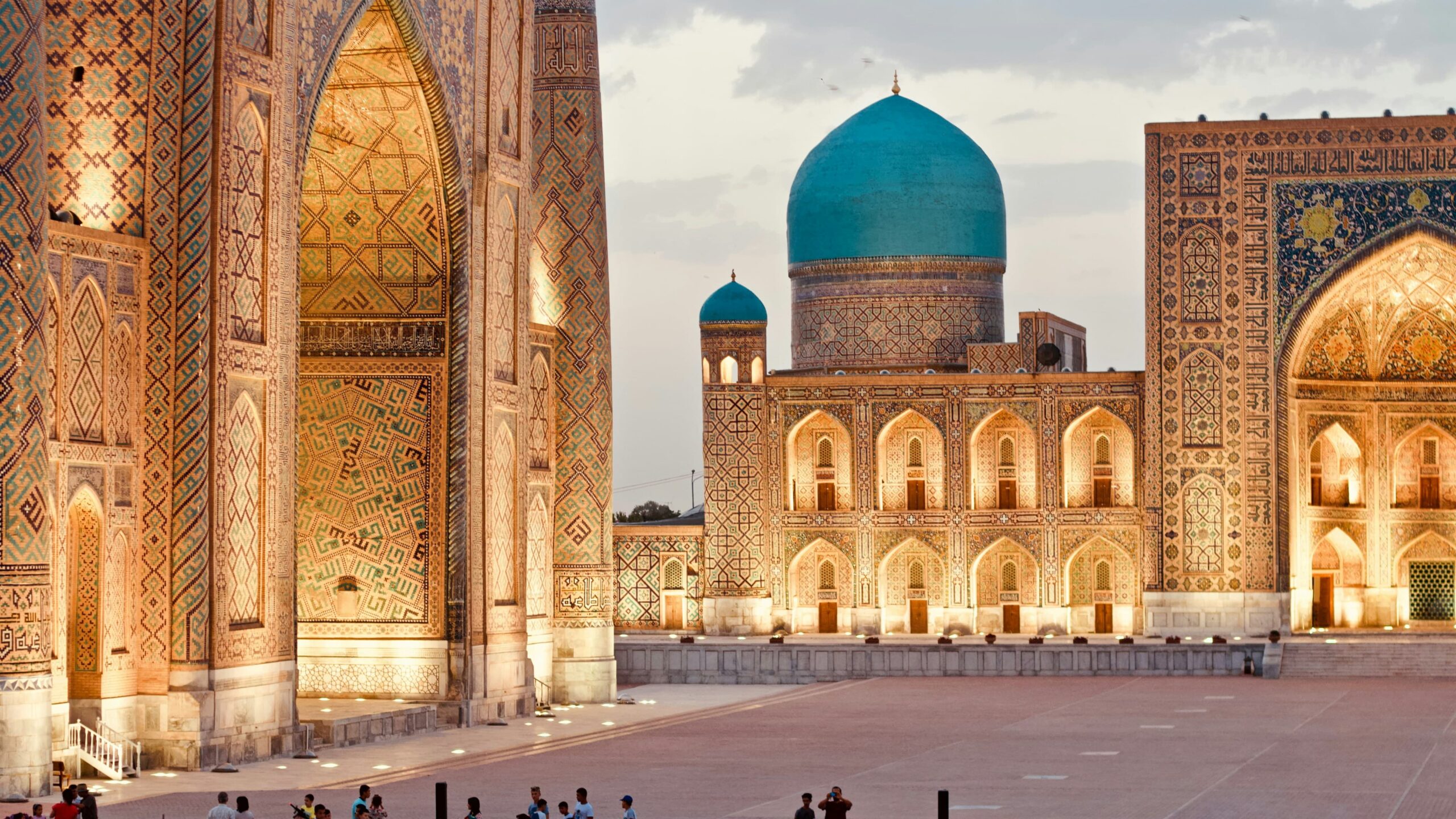
Few cities evoke the romance of the route quite like Samarkand. Social media has introduced a new generation of travelers to this jewel of Uzbekistan, but the city’s allure is ancient.
Set in the valley of the Zarafshan River, Samarkand was the great convergence point where caravans from every direction arrived and rested.
Its golden age came under Tamerlane, who made it the capital of an empire that aspired to eternal glory.
From that era of splendor, several monuments survive. Among the most arresting is the Registan, a plaza flanked by three madrasas — Islamic schools — sheathed in blue tilework that produces an almost hypnotic effect.
Walking through the streets of “the blue city of the desert” invites the imagination to fill in what is missing: the noise of merchants, the scent of silk paper that, according to legend, was made here to an unrivaled standard.
Bukhara: The Sacred City Along the Silk Road
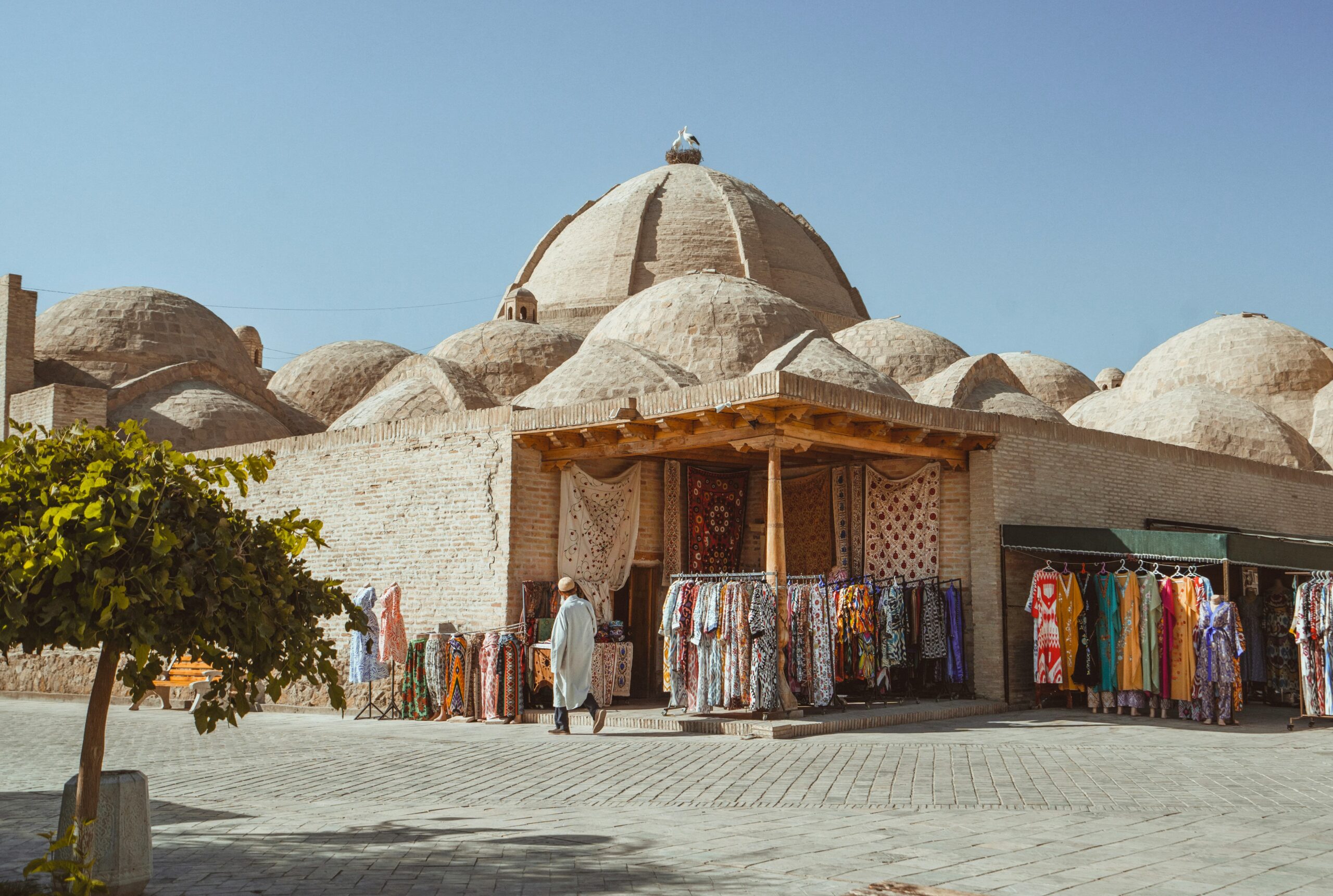
Also in Uzbekistan, Bukhara was the most authentically spiritual, intellectual, and commercial center in all of Central Asia.
The city was dense with madrasas and mosques, and within its halls, minds like Avicenna — the father of modern medicine — were formed. In a very real sense, Bukhara was the brain where knowledge arriving from Greece, India, and China was processed and then exported westward to Europe.
The city also functioned as an enormous port — set not on water but in the middle of the desert. Around its main plaza, the Lyabi-Hauz, caravanserais were built to house traveling merchants. Chinese traders met Venetian ones here, and in the exchange, news traveled: wars, gold prices, new routes.
Today, Bukhara is one of the few Silk Road cities where it is still possible to walk through the same covered bazaars that merchants used 800 years ago.
The Mogao Caves: Sanctuary of the Thousand Buddhas
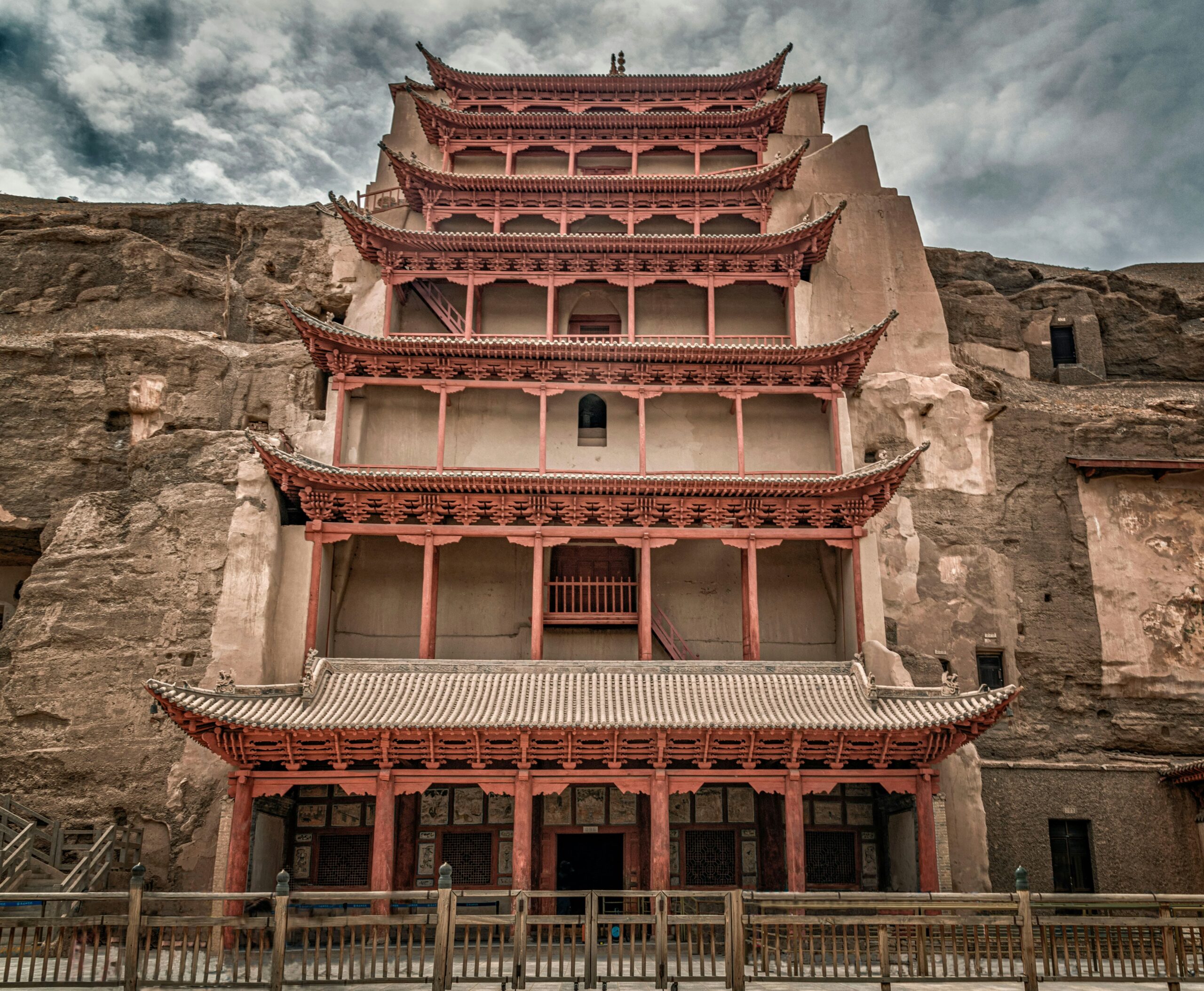
The historic sites of the Silk Road are not limited to cities.
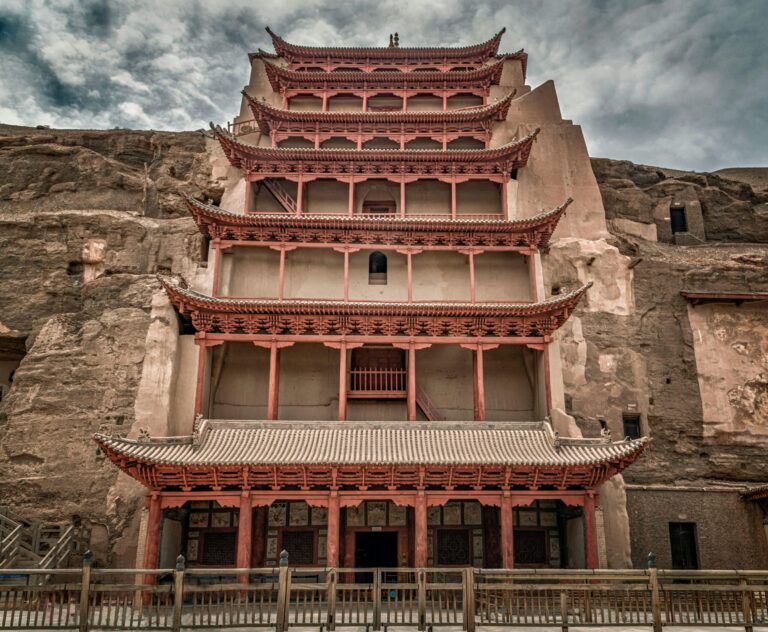
At the edge of the Gobi Desert, near the oasis of Dunhuang, lie the Mogao Caves — also known as the Caves of the Thousand Buddhas. This site is an unparalleled visual archive of the faith that traveled by camelback.
Dunhuang was the last oasis before the route split to skirt the fearsome Taklamakan Desert. Knowing what lay ahead, merchants and pilgrims stopped at Mogao to pray for safe passage — or to give thanks for having crossed the desert alive.
Over a thousand years, that devotion accumulated into something extraordinary.
Its 492 cells and sanctuaries hold some of the finest examples of Buddhist art in the world. Frescoes and sculptures depict deities and document daily life, clothing, and technology across ten centuries, from the fourth through the 14th.
The caves are a time capsule where Greek, Indian, and Chinese artistic traditions fuse into something entirely their own.
Persepolis: Jewel of the Achaemenid Empire
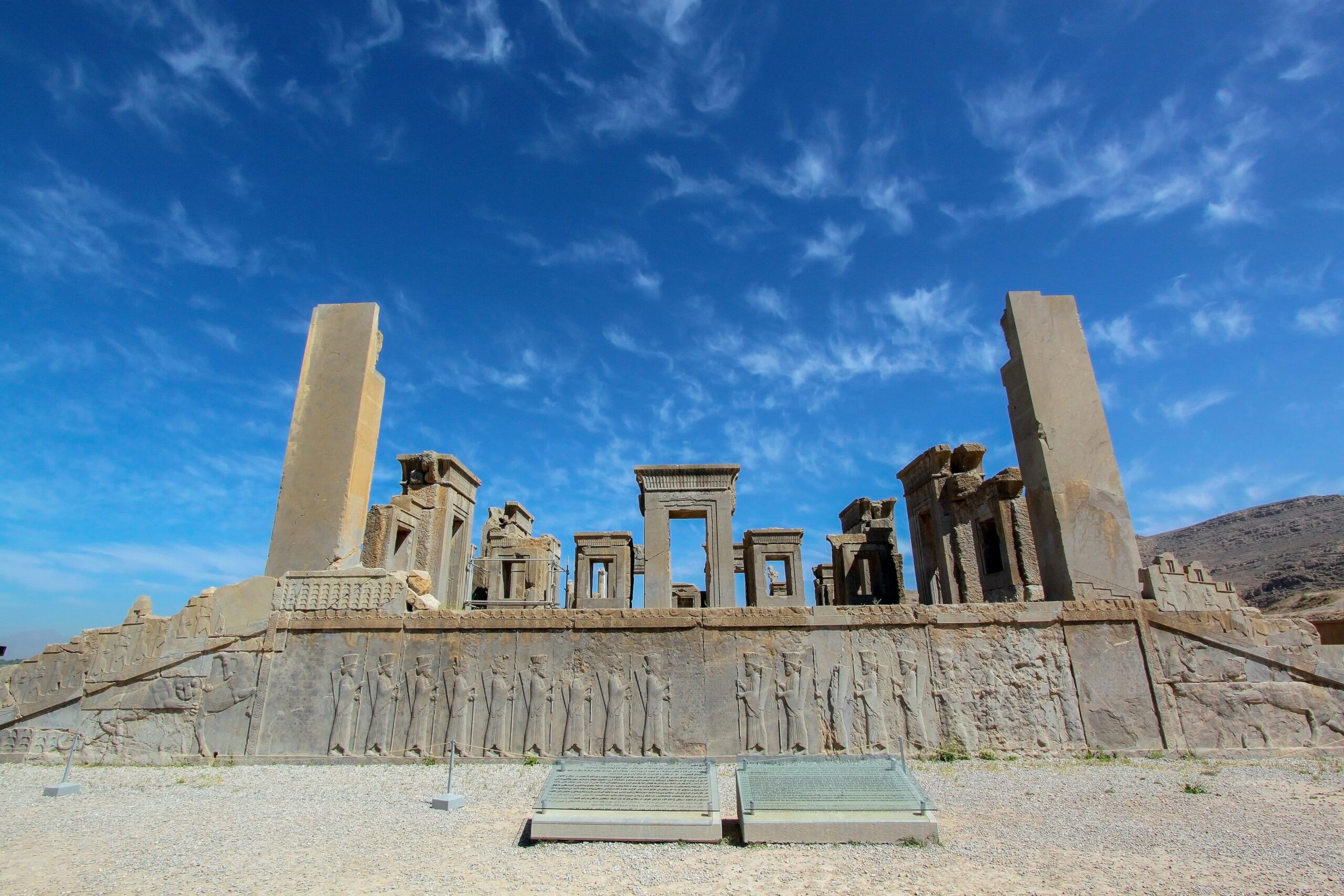
Though its origins predate the height of the Silk Road, Persepolis — in present-day Iran — was the prototype of the cosmopolitan city that made transcontinental trade possible.
Founded by Darius I the Great around 518 B.C., the city played a mainly logistical role in global connectivity. The Persian king perfected the Royal Road, a highway linking Sardis in modern-day Turkey to Susa, extending eastward across the empire.
That road was equipped with relay stations and mounted couriers capable of covering more than 1,670 miles in just seven days.
It was a critical infrastructure network that, centuries later, gave the caravans of silk and spices safe and reliable routes to follow.
Caravans did not always reach Persepolis directly, but the city was the final destination for the most exotic goods. Merchants dreamed of having their jade or spices reach the treasuries of the King of Kings.
Though its glory was interrupted by the flames of Alexander the Great, its ruins endure as a testament to a civilization that understood, long before anyone else, the power of infrastructure.
Palmyra: Pearl of the Syrian Desert
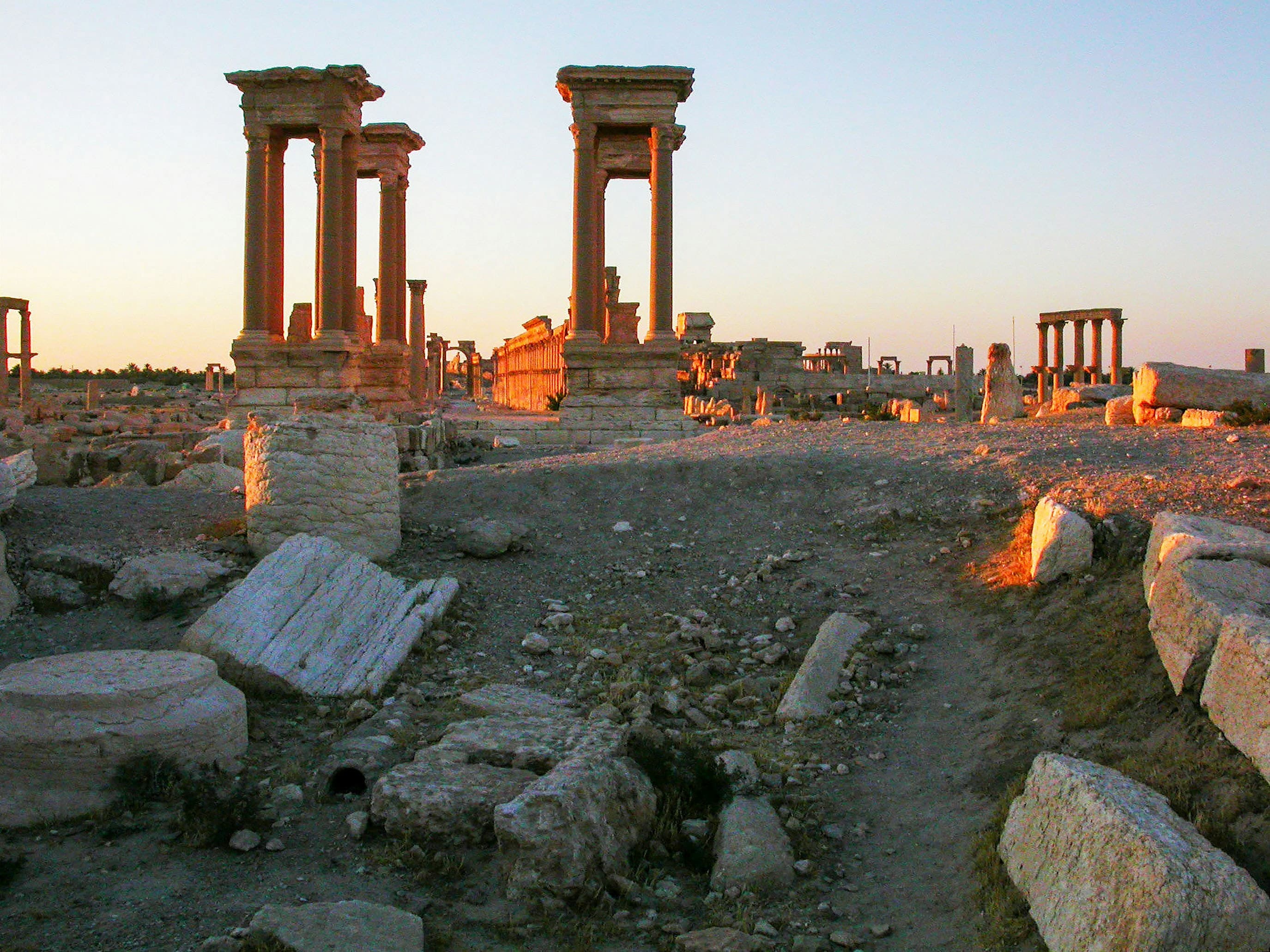
Rising from the arid expanse of Syria, the monumental ruins of Palmyra mark what was once a required stop for caravans crossing the Euphrates before reaching the Phoenician ports.
This city maintained its own army of camel-mounted archers who escorted caravans through the dangerous Syrian Desert.
The Palmyrenes also levied taxes on protection, water, and space in their caravanserais — a business model that made Palmyra one of the wealthiest cities in the Roman world.
Through its mastery of trade, Palmyra managed to remain independent of both Rome and Persia. It stands as proof that the Silk Road could conjure empires from nothing, built entirely on the power of exchange.
Taxila: Center of Learning in Gandhara
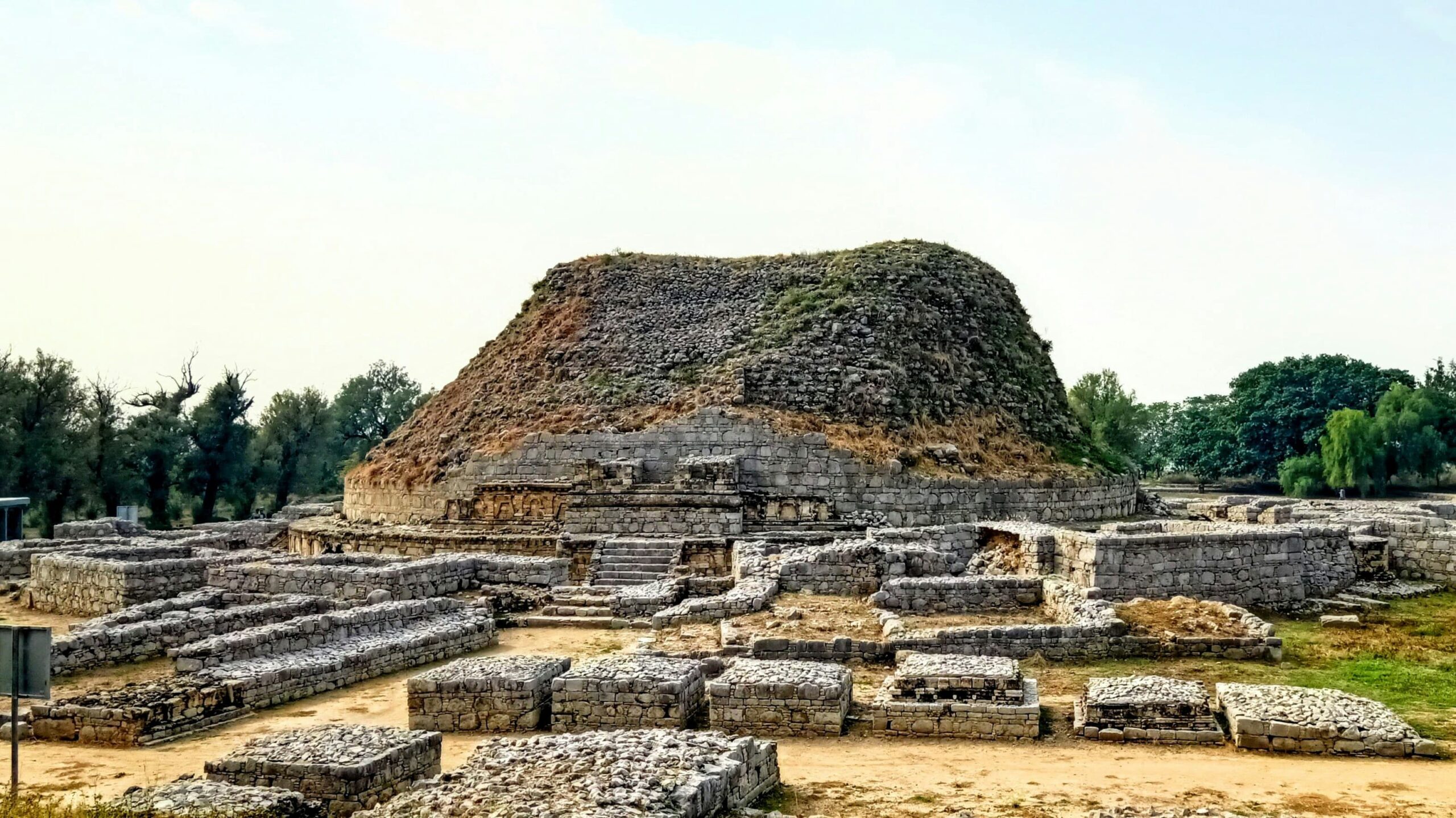
Located in present-day Pakistan, Taxila was the meeting point of Hellenistic and Buddhist cultures.
As the capital of several successive empires and the home of one of the oldest universities in the world, it played a decisive role in the spread of Buddhism into China.
In the wake of Alexander the Great’s conquests, a singular cultural collision unfolded in this region — the ancient kingdom of Gandhara. Local artists began depicting the Buddha with the face of Apollo, draped in Roman-style robes, with the flowing hair of Greek sculpture.
Before this moment, the Buddha had been represented only through symbols: a footprint, a wheel, an absence. In other words, Taxila gave the Buddha a face, shaped by the ideas that moved along the route.
It was the place where Greek thought and Indian and Chinese spirituality merged to produce a new aesthetic and philosophy that would travel the length of the route, all the way to Japan and Korea.
Taken together, these historic sites reveal that the Silk Road was, above all, a bridge of understanding — the greatest cultural heritage history has left us.
To walk among its remnants is to accept an invitation: to remember how human beings have always found ways to connect opposite worlds, and to turn commerce into something that lasts far longer than any empire.