
There are postcard views we take for granted until the day they simply disappear.
That is what happened to the Hōlei Sea Arch, a volcanic rock formation that spent more than five centuries absorbing the relentless force of the Pacific along the southern coast of Hawaii.
In late September 2026, with no one watching, it came down.
The National Park Service confirmed the news in early October: the Hōlei Sea Arch, one of the most photographed landmarks in Hawaii Volcanoes National Park, was gone. On Sept. 23, it was still standing. Four days later, when the park reopened after a temporary closure due to Tropical Storm Nolo, the arch had vanished entirely.
No one could pinpoint the exact moment of collapse. It almost certainly fell while the area was closed to the public, which means no visitor witnessed it. There is only a before and an after. Photographs taken in the days prior show the arch intact, rising roughly 89 feet above the sea. Images taken afterward show nothing but empty air where rock once stood.
The park said goodbye with a brief post on social media: “RIP Hōlei Sea Arch.” It also offered an explanation worth a closer look, because it sums up in a few words how this kind of landscape works.
Yes, it's true. RIP Hōlei Sea Arch.
— U.S. Department of the Interior (@Interior) October 2, 2026
The iconic Hōlei Sea Arch in Hawaiʻi Volcanoes National Park has collapsed into the Pacific Ocean, marking the latest transformation of the park’s remote and rugged coastline. pic.twitter.com/s7Gv2d2DOw
Why the Hōlei Sea Arch Collapsed
The Hōlei Sea Arch was never going to last forever, and park rangers had known that for years.
It formed roughly 550 years ago from a lava flow that the ocean spent centuries eroding unevenly. Softer sections of rock gave way before harder ones, and that differential erosion gradually carved out the distinctive opening the water flowed through.
The same process that created the arch is what eventually destroys every sea arch on Earth. The ocean never stops. Erosion never stops. The only thing no one can predict is the precise day when a structure, weakened over centuries, finally gives way.
In this case, there had been warning signs for years. Earthquakes linked to the 2018 eruption of Kilauea had already damaged the cliffs surrounding the arch. In January 2020, new cracks forced the park to close the original overlook where visitors had long viewed it. In July 2022, swells generated by another tropical storm, Darby, tore away a chunk of rock from the arch’s base.
The 2026 collapse, in that sense, was the culmination of a process years in the making — not a sudden or inexplicable event.
The Park Where It Happened
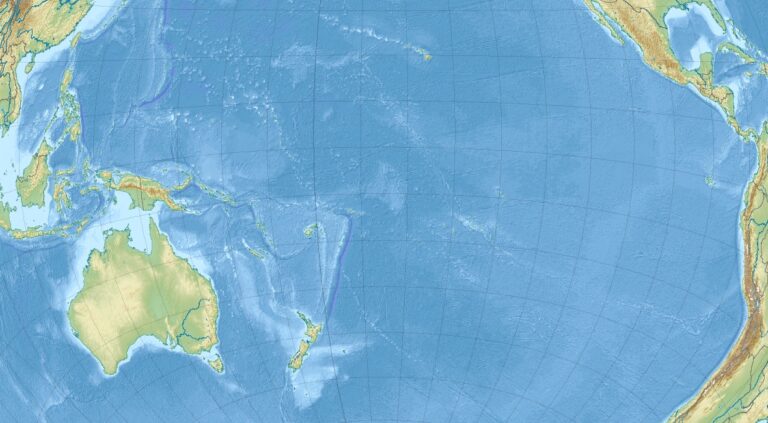
The Hōlei Sea Arch stood on the southern coast of the Big Island of Hawaii, at the end of Chain of Craters Road, within Hawaii Volcanoes National Park. The park, established in 1916, has been designated both a UNESCO World Heritage Site and a biosphere reserve.
It is home to two of the most active volcanoes on the planet: Kilauea and Mauna Loa. Much of its landscape is still being formed in real time, with lava flows continuing to advance toward the sea in certain sections of the park.
That combination of active volcanism and open ocean coastline explains both the birth and the death of the arch. The same lava that once poured into the sea and hardened into rock was, centuries later, worn away to nothing by the water.
The park has cautioned that this stretch of coastline remains unstable and urged visitors to stay back from the cliff edges, which can break away without warning.
Not the First Arch to Fall — and Not the Last
Striking as it is, what happened in Hawaii is not an isolated incident. Recently, several world-famous arches and rock formations have met the same fate.
In August 2024, Double Arch, a popular sandstone formation at Lake Powell in Utah, collapsed entirely; park rangers attributed the failure to fluctuating reservoir water levels and years of wave erosion.
In December 2023, Elephant Trunk Rock, a sea stack on the northern coast of Taiwan that ranked among the country’s most photographed landmarks, split and fell into the ocean during a storm. The collapse renewed concerns about a nearby formation, the Queen’s Head at Yehliu, whose stone “neck” grows thinner every year.
And in 2017, Malta’s Azure Window — a limestone arch that had served as a filming location for Game of Thrones — crumbled into the sea during a storm.
The pattern repeats itself: spectacular formations, endlessly photographed, that give an illusion of permanence, yet are made of the very material the water has been quietly wearing down since the day they formed.
The Hōlei Sea Arch is simply the latest entry on a list that, sadly, will keep growing.