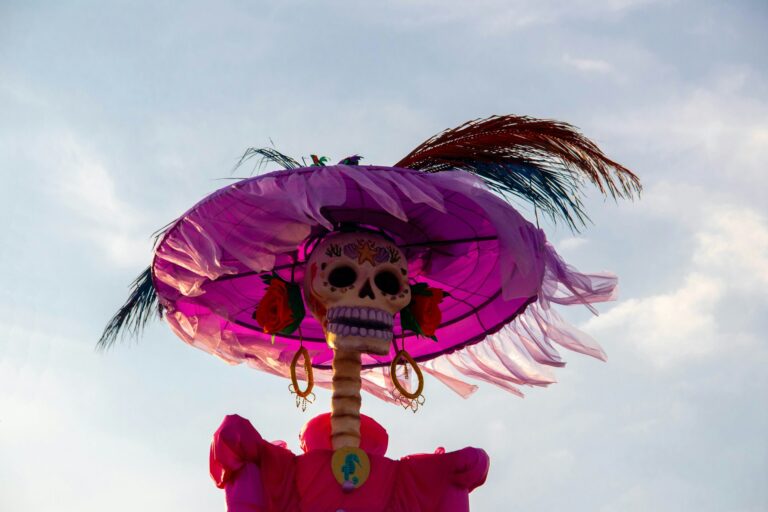









At dawn, a figure more than 72 feet tall rose over the vast expanse of Mexico City’s Zócalo, reshaping the skyline of the historic center for the length of the Day of the Dead festivities.
Mexico City has claimed the Guinness World Records title for the world’s largest catrina, a handcrafted feat of engineering by local master cartoneros, the city’s papier-mache artisans.
Towering over the Plaza de la Constitución, the sculpture has become the visual anchor of a celebration that draws more than 2 million people, locals and international travelers alike.
The installation adds to a packed cultural calendar anchored by the Grand Day of the Dead Parade, which winds 5 miles from Paseo de la Reforma to the heart of the city.
The figure pays tribute to the character created by printmaker José Guadalupe Posada and later named by muralist Diego Rivera. Blown up to this size, a beloved folk icon becomes a landmark in its own right, where Indigenous tradition, fine art and urban engineering meet.
From Movie Set to Mexico City Tradition
Mexico’s rituals honoring the dead go back centuries, rooted in pre-Hispanic tradition and colonial-era custom. Yet the massive parade that now sweeps down the city’s main avenues has a surprisingly recent, and unlikely, origin.
In 2015, the producers of the James Bond film Spectre staged an action sequence in downtown Mexico City featuring a vast procession of giant skulls, elaborate costumes and parade floats.
Until then, Mexican families had marked the occasion largely in private and within their communities, building ofrendas at home or keeping vigil over their ancestors in cemeteries on the nights of Nov. 1 and 2.
The buzz around the film, however, prompted local authorities to turn that fictional spectacle into an annual public tradition.
The first official Grand Day of the Dead Parade took place in October 2016. What began as a way to give international tourists the spectacle they expected was quickly embraced by the city’s own residents, who claimed the parade as a showcase for their creativity.
Papier-Mache, Steel and Cempasúchil
Building the record-setting catrina took months of steady work in artisan workshops in the Iztapalapa and Xochimilco boroughs.
Her internal steel frame is built to withstand the gusts that sweep across the Valley of Mexico. It is wrapped in a traditional skin of kraft paper and flour paste, then sealed with waterproof resin to protect it from the elements.
Her outfit draws on the textile traditions of central Mexico. More than 2,600 feet of fabric printed with skulls and regional embroidery motifs went into the gown. Crowning the look is a wide-brimmed hat adorned with synthetic feathers and thousands of cempasúchil flowers, both fresh and paper.
At the foot of the effigy, artisans assembled a multi-tiered ofrenda laden with pan de muerto, votive candles, traditional dishes and clay vessels.
Cempasúchil, the Mexican marigold, with its deep orange blooms and pungent scent, marks a symbolic path that, according to ancestral belief, guides the souls of the dead back to the world of the living.
Day of the Dead and the Victory of Memory
Set in the country’s most important public square, the giant catrina distills a philosophy that sets Mexican culture apart: a familiar, festive, and reverent relationship with death.
Recognized by UNESCO as part of humanity’s intangible cultural heritage, Day of the Dead is experienced not as somber mourning but as a brief reunion in which memory triumphs over absence.
La Catrina herself first appeared in the early 20th century as a jab at Mexicans who turned their backs on their roots. Over time, she became a reminder that death makes equals of us all.
Her journey from satirical print to towering icon reflects the inclusive spirit of a celebration that turns grief for the departed into music, color, and community.
For several days, the historic center becomes an open-air stage, filled with costumed troupes, dancers in skull face paint and floats built by artist collectives from across the country.
A Living Legacy, From the Zócalo to the Neighborhoods
As nighttime lights carve the catrina’s silhouette against the sky above the Zócalo, families keep streaming in to pose for photos at her feet and take part in the free cultural events surrounding the installation.
The sheer scale of the papier-mache piece does more than set a world record; it is a testament to the enduring vitality of Mexican folk art.
From grand urban processions to the intimate altars of private homes, Mexico City shows its knack for weaving the present into its spiritual heritage.
From high above the square, the giant catrina watches over a crowd that celebrates life while remembering its dead. Shared memory remains the strongest bridge between past and present.