There are places that seem to hold secrets no one should ever try to uncover. Locations where a dark presence lingers, as though drawn there by an unseen force.
Those who study unexplained phenomena often claim that wherever intense suffering has occurred, a residual energy lingers — an echo of pain, anger, and despair absorbed into the very walls. Perhaps that explains the aura surrounding the infamous Black Palace of Lecumberri.
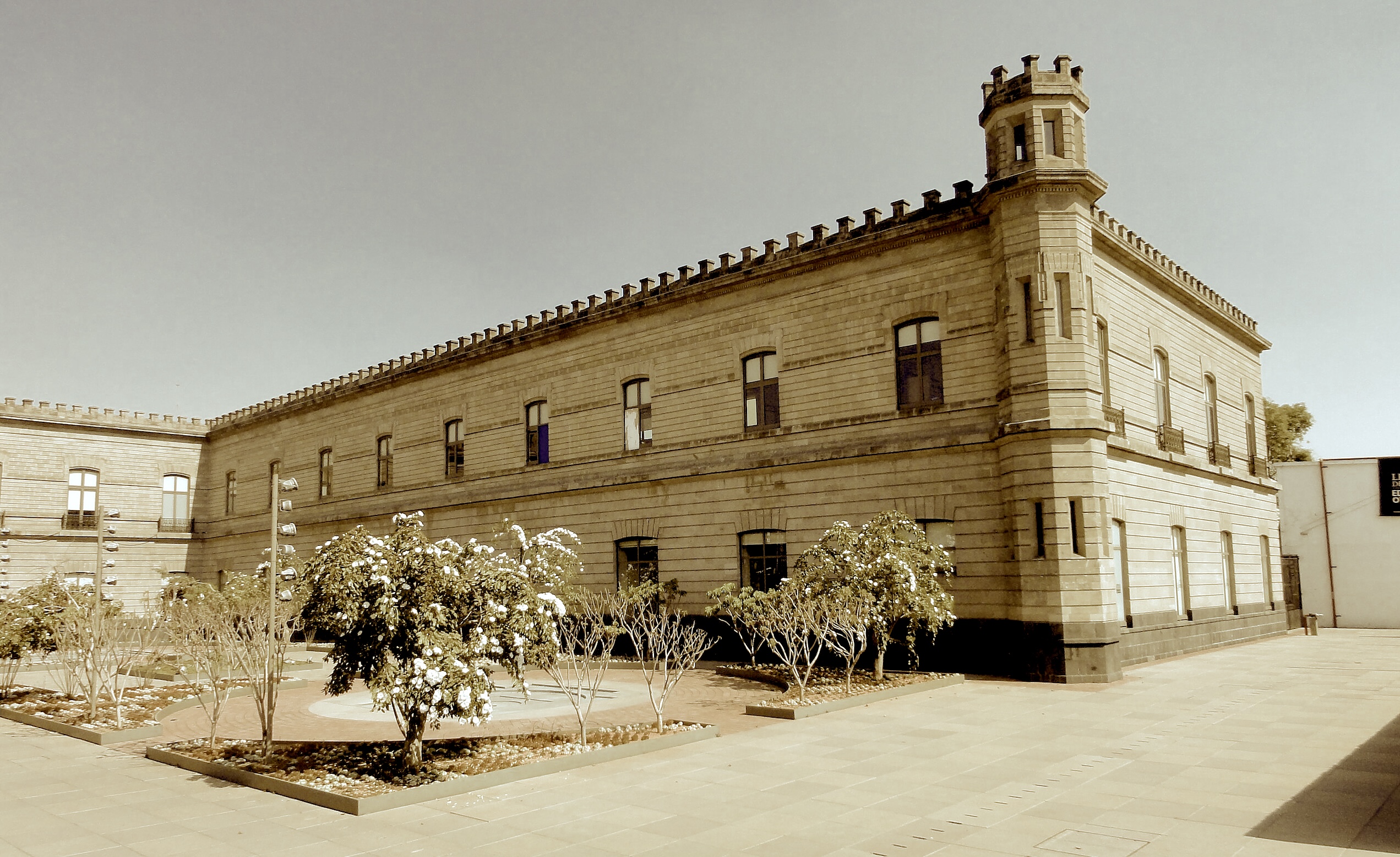
This iconic building in Mexico City is known for its imposing structure and dark, almost foreboding appearance. In its early decades, it functioned as a high-security prison — one of the most important in the country.
Today, it houses the National Archives, and hundreds of civil servants work inside its walls. Yet many have reported strange occurrences: voices, shadows, even cries in the middle of the night.
What lies behind these events? Where does Lecumberri’s dark legend come from?
The Most Modern Prison in Latin America
Lecumberri Palace, named after a Spanish landowner whose estate once occupied the site, was conceived in the late 19th century as a state-of-the-art penitentiary.
It was one of the first prisons in the region to adopt a panopticon design, with cell blocks radiating from a central rotunda overseen by a 35-meter watchtower.
With a capacity for over 1,000 inmates, including men, women, and minors, it was inaugurated in 1900 by Porfirio Díazand was hailed as a marvel of modern architecture.
Behind its walls, however, lay torture, abuse, and anguish. The prison held many notable figures in Mexican political and cultural history, including Pancho Villa, Ramón Mercader (Leon Trotsky’s assassin), and even William Burroughs.
Over time, conditions deteriorated. Overcrowding, neglect, and violence plagued the institution, often leading to riots and escape attempts.
In 1976, Lecumberri was officially shut down. Four years later, it became the home of the National Archives, ending its use as a prison but not erasing its grim past.
This is not the case for other historic prisons, such as the former Nara Prison, which have been converted into hotels.
The Ghosts of the Black Palace
From the outside, the building’s austere façade gives it a certain elegance. But its nickname, “Black Palace,” has less to do with its color and more with the horrors inside.
Many of the inmates came from Mexico City, and those who survived their time inside often recounted terrifying stories about what they had witnessed behind those walls.
The tales spread, and the prison’s sinister reputation cemented its now-iconic name, El Palacio Negro de Lecumberri.
When the prison closed, the site was renovated to house the National Archives, where some of Mexico’s most important documents are now stored.
Still, after more than four decades, staff members continue to report eerie sensations, unexplained drafts in sealed rooms, and sounds that seem to belong to another era.
Several ghost stories have become part of the building’s folklore. The most famous is that of Jacinto, a man wrongfully imprisoned who died within its walls in the mid-20th century.
According to legend, his wife Amelia promised to visit him, but never did. Today, Jacinto’s spirit reportedly appears to security guards, repeating in a sorrowful voice, “My wife didn’t come today either.”
Another well-known figure said to haunt Lecumberri is El Charro Negro, a spectral figure deeply rooted in Mexican folklore.
Dressed in an elegant charro suit, this phantom is believed to have been a serial killer when he was alive. Witnesses claim he roams the corridors at night, heralded by bloodcurdling screams and an overwhelming smell of decay.
A Place Still Marked by Horror
The story of Lecumberri is not unique. Around the world, former prisons are often steeped in lingering energy and legends of the supernatural.
In the United States, Alcatraz is famously associated with ghost stories. Similar tales can be found in old penitentiaries across Europe, from Germany to Spain.
These were places of unspeakable cruelty, and it is not hard to believe that some echoes of that suffering remain.
Whether it is a shadow wandering aimlessly through halls it once knew, or the chilling echo of a long-forgotten voice, Lecumberri stands as a lasting reminder of the horrors that once unfolded within its walls.