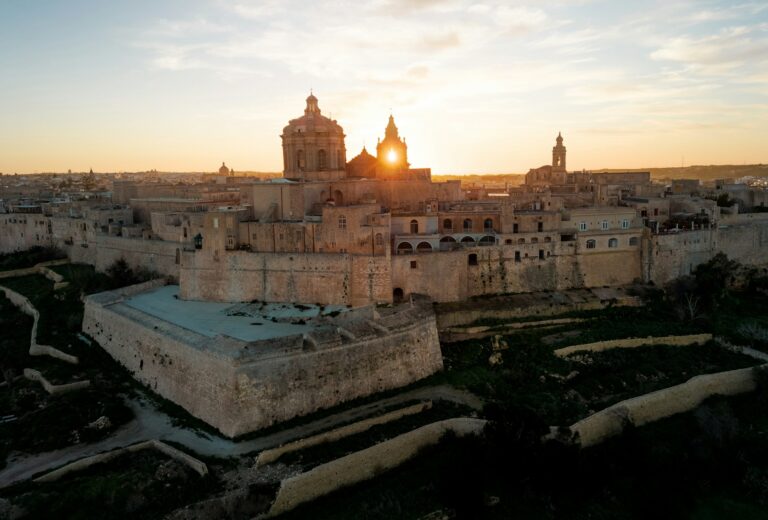

The Mata Nacional do Buçaco, in the Portuguese municipality of Mealhada, has been designated a therapeutic forest since July 17.
The certification makes it the first of its kind on the Iberian Peninsula and only the fourth in the world — a select group that until now included only three forests in Austria and Germany.
The designation was awarded by the Healing Forest — International Certification Office, based in Rostock, Germany, after years of work by the Fundação Mata do Buçaco.
The certification runs through 2031 and places Buçaco alongside Benediktinerstift in Austria and Lahnstein and Bad Nauheim in Germany.
An Arboretum of 259 Acres and Nearly Two Centuries of Planting
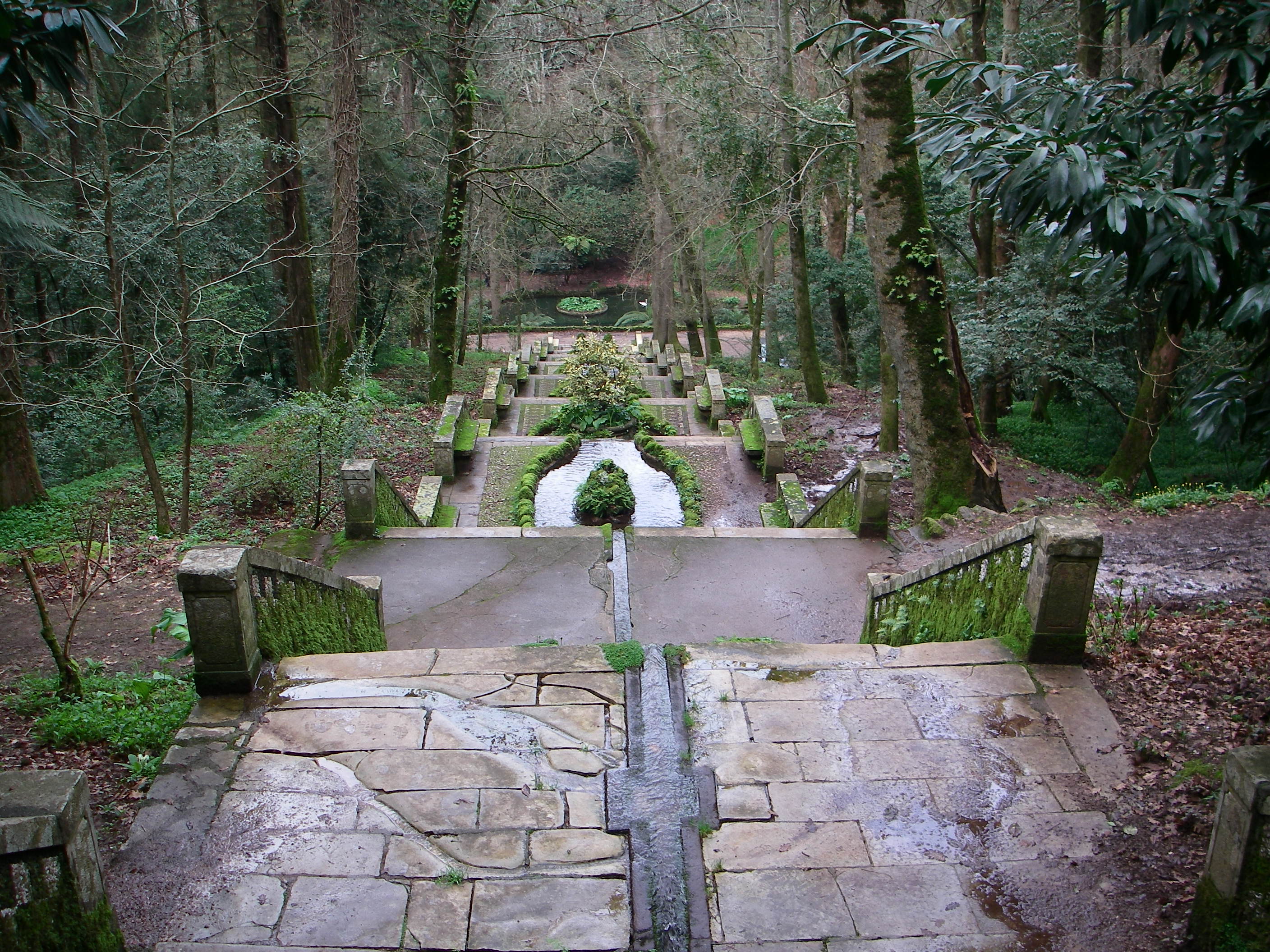
The Mata do Buçaco covers 259 acres in the parish of Luso, at an elevation of 1,801 feet, on the northwestern edge of the Serra do Buçaco.
Its position creates a distinctive microclimate — mild temperatures, generous rainfall, and frequent morning mists that support unusually rich biodiversity for the region.
The forest holds one of the most complete dendrological collections in Europe, with roughly 250 species of trees and shrubs.
Discalced Carmelite monks began reforesting the land centuries ago, and from 1850 onward, exotic species were introduced: cedars, sequoias, araucarias, and eucalyptus, among them the cedro do Buçaco, the forest’s enduring symbol.
The forest is divided into four distinct zones: the Arboreto, which accounts for 80 percent of the total area; the Jardins and the Vale dos Fetos (Valley of Ferns), both developed in the late 19th century; the Floresta Relíquia, a remnant of native vegetation that preserves traces of the forest as it was before human settlement; and the Pinhal do Marques, currently recovering after being hit by a pest outbreak and a cyclone over the past decade.
At the heart of the Vale dos Fetos stands the Palace Hotel do Buçaco, built between 1888 and 1907, commissioned by King Carlos I as a royal summer hunting lodge.
The building was converted into a hotel in 1917 and continues to operate today as a five-star property, its rooms furnished with period pieces and its restaurant showcasing wines from the surrounding region.
What Therapeutic Forest Certification Actually Requires
The Healing Forest — International Certification Office defines therapeutic forests as woodland spaces designed for specific therapeutic uses, where qualified therapists guide treatments or programs tailored to individual patients.
Therapeutic forests can help manage debilitating conditions and complement conventional medical treatments.
To earn the designation, a forest must meet several requirements.
It must have natural features that dampen noise, block sightlines, and provide shelter from the wind. It must also offer trails at varying levels of physical demand, provide regular access to forest therapists or other qualified health professionals, and include dedicated areas for therapy sessions and relaxation exercises.
Proximity to a hospital or rehabilitation center is considered an additional advantage.
The certification process unfolds in several stages.
First, basic documentation about the site is submitted. A technical team then conducts an on-site inspection, and finally, independent reports from forestry and medical experts assess the site’s healing potential before the certificate is awarded.
The Benefits That Research Supports
The Healing Forest — International Certification Office cites a range of effects measured across multiple studies: improvements in cognitive function, reductions in stress, anxiety, and depression, lower blood pressure, a strengthened immune system, and better sleep quality.
Much of this research has been conducted in Asian countries over the past decade.
Among the most widely cited findings are those of Japanese researcher Qing Li, who documented a rise in NK cell activity (natural killer cells, which play a central role in the immune response against viruses and tumor cells) after time spent in forest environments, along with measurable drops in stress hormone levels.
Other studies have linked exposure to forested settings with reduced blood pressure — an effect particularly pronounced in people with moderate hypertension — as well as improvements in patients living with chronic heart failure.
Therapeutic Forest and Forest Bathing Are Not the Same Thing
Both concepts rest on the premise that exposure to a forest environment produces measurable benefits for physical and mental health. But they are not interchangeable.
Forest bathing, the translation of the Japanese term shinrin-yoku, emerged in 1982 as part of a national health initiative in Japan aimed at reducing stress across the population.
It functions as a guided wellness or mindfulness practice, without necessarily targeting a specific medical condition — much like maintaining a balanced diet or exercising regularly.
Forest therapy, by contrast, is a more formally structured clinical discipline, led by accredited therapists and in some cases tied to specific medical indications: cardiovascular, respiratory, psychosomatic, orthopedic, or neurological conditions.
It is precisely this second model that underpins the certification awarded to the Mata do Buçaco.
The foundation that manages the forest has already set its next goal: securing UNESCO World Heritage status for the site.