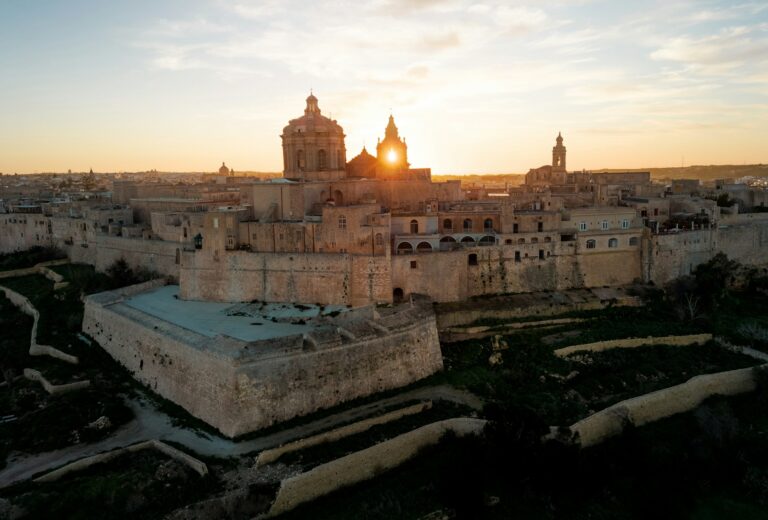

The endemic species of Socotra are part of one of the most extraordinary ecosystems on the planet.
On this Yemeni island — situated 217 miles from the Arabian Peninsula and 149 miles from the Horn of Africa — more than 300 of the 825 catalogued plant species (37% of the total) grow nowhere else on Earth, according to UNESCO data.
The figure climbs even higher for reptiles, where endemism reaches 90%, and for land snails, where it reaches 95%.
Socotra is part of an archipelago of four islands and two islets in the Arabian Sea.
The archipelago has been separated from the African continent for at least six million years, and from the Arabian Peninsula for as long as twenty million — according to geological studies compiled by specialists in island biogeography.
That prolonged isolation allowed evolution to follow its own course, free from interference by continental species.
The main island covers roughly 1,400 square miles and is administered by Yemen.
UNESCO declared it a World Heritage Site in 2008, recognizing its exceptional biological value — five years after it had been named a Biosphere Reserve in 2003.
Socotra is home to species found nowhere else. Here are some of them.
The Dragon Blood Tree, Symbol of the Landscape
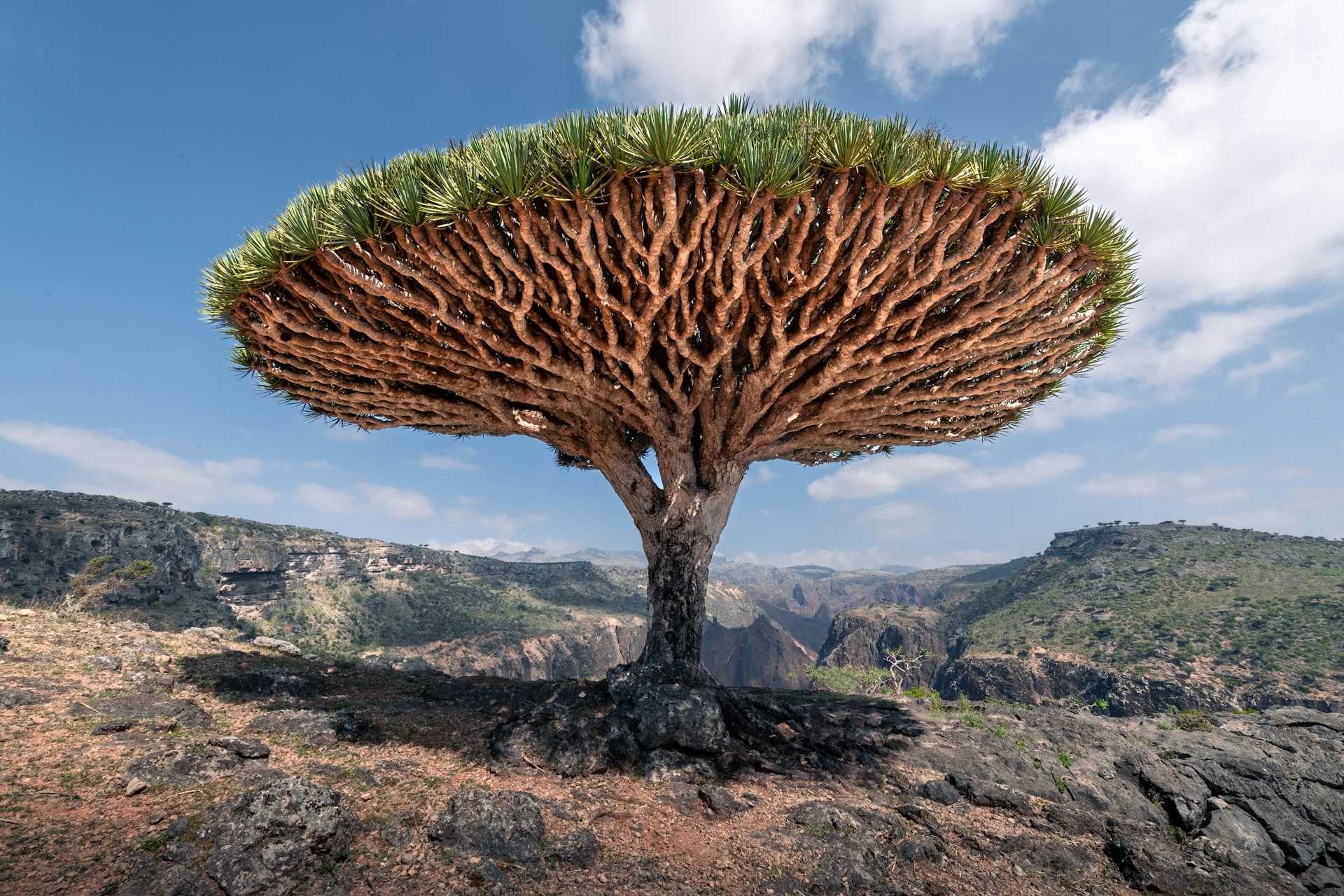
The most recognizable species on Socotra is Dracaena cinnabari, known as the dragon blood tree for the crimson resin it produces — a substance used in antiquity as a dye and medicine, and later as a theatrical pigment.
Its canopy spreads in the shape of an inverted umbrella, and individual trees can live for several centuries. A recent drone-assisted inventory confirmed more than 35,000 living specimens, with an average age approaching 300 years and some individuals exceeding 500.
The species is listed as vulnerable.
Research published in scientific journals attributes its decline to historical resin extraction, overgrazing by goats that prevents young shoots from regenerating, and, more recently, increasingly intense cyclones linked to climate change that have toppled mature trees across the highland forests of Firmihin.
The Desert Rose and Its Enormous Trunk
Adenium obesum subsp. socotranum, known as the desert rose or bottle tree, is another of the island’s signature plants.
Its most striking feature is a swollen trunk that can reach nearly 8 feet in diameter, which acts as a water reservoir, helping the plant survive extreme aridity.
Its pink flowers contrast sharply against the rocky terrain, creating a sight as beautiful as it is strange.
Unlike many other species in the archipelago, this plant’s toxic sap protects it from grazing livestock — a natural defense that has kept its population relatively stable even as other endemic plants struggle under the pressure of overgrazing.
The Cucumber Family’s Only Tree
Dendrosicyos socotranus is the only tree in the entire Cucurbitaceae family — the same family as cucumbers and melons — a distinction botanists consider truly remarkable.
Its bulbous trunk, which can reach nearly 10 feet in height, stores water much like the desert rose, though its foliage is far more vulnerable to browsing goats.
According to the latest surveys, there are 163 adult specimens in 24 locations across an area of 60 square miles, with an estimated total population of more than 6,400 individuals throughout the island.
Natural regeneration was recorded at 77% of the sites studied, though only 16% of individual trees showed signs of new growth.
Field observations indicate that younger seedlings rarely survive unless sheltered from goat browsing — either by their position on inaccessible cliffs or by the protective canopy of a local plant, Cissus subaphylla, which acts as a natural barrier.
The Blue Tarantula, Jewel of the Arthropods
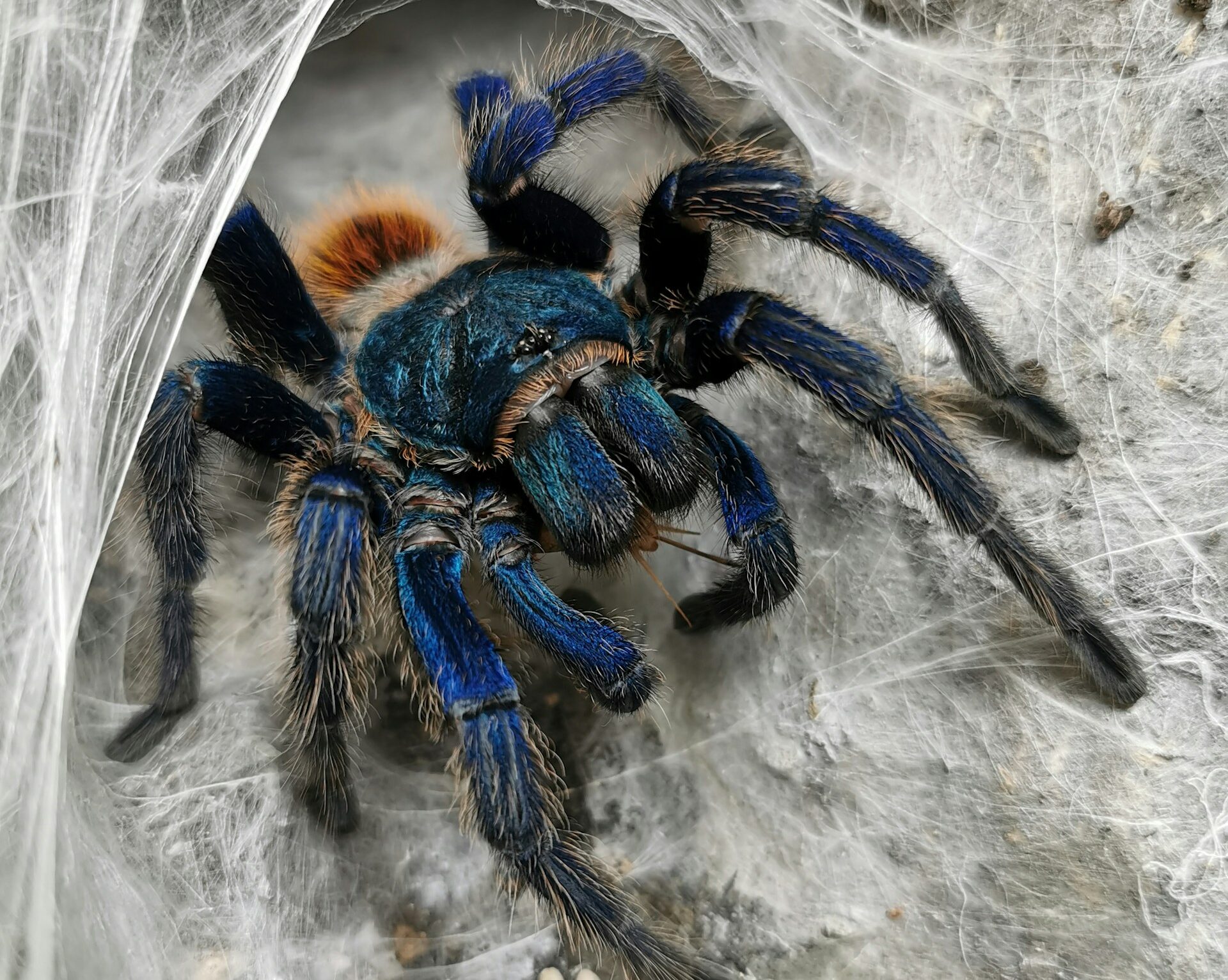
Among Socotra’s invertebrate fauna, Monocentropus balfouri stands apart. The Socotra blue tarantula was first described in 1897 by British arachnologist Reginald Innes Pocock.
It is distinguished by its metallic blue legs and cream-colored body, and is one of the few Old World tarantulas known to live in communal groups with extended maternal care — a behavior rarely seen among tarantulas.
It inhabits rocky crevices and arid valleys throughout the archipelago.
Its rarity and striking coloration have made it one of the most sought-after tarantulas among international collectors, raising serious concerns about the removal of wild specimens for the exotic pet trade.
Reptiles, Birds, and an Underexplored Marine World
The level of endemism among Socotra’s reptiles is among the highest recorded anywhere on Earth.
Of the 31 terrestrial species documented, roughly 90% exist nowhere else, according to a genetic barcoding study published in 2016. They include geckos and the chameleon Chamaeleo monachus.
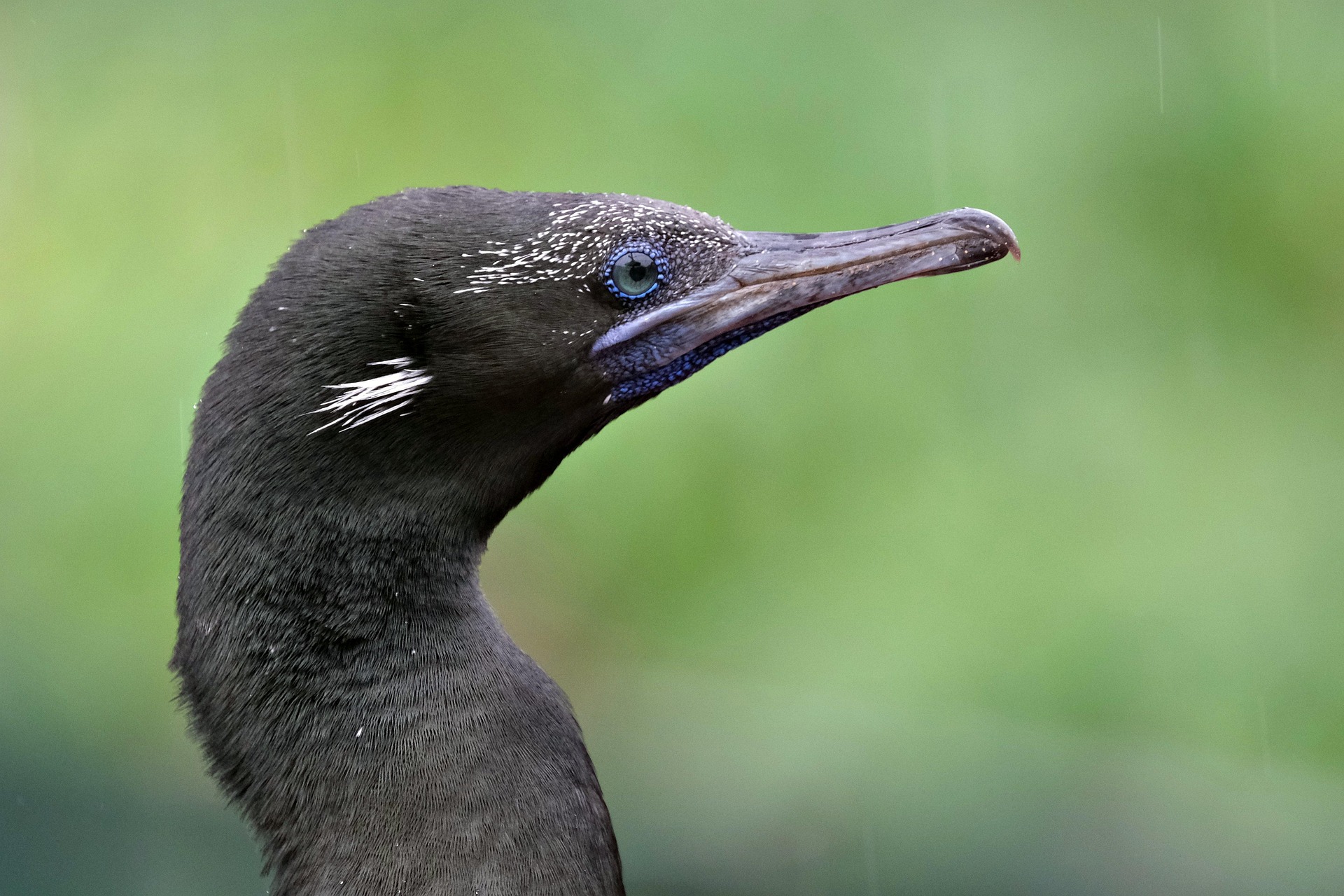
As for birds, more than 190 species have been recorded across the archipelago, of which nine or ten are endemic — among them the Socotra starling and the Socotra sparrow. UNESCO has identified 22 Important Bird Areas on the island.
The surrounding waters are no less remarkable. Scientists have catalogued 253 coral species, more than 730 species of coastal fish, and 300 species of crustaceans — though a considerable portion of the marine invertebrate life remains unstudied.
Threats to an Isolated Ecosystem
The United Nations Environment Programme has identified overgrazing, unplanned urbanization, natural resource exploitation, invasive species, and climate change as the primary threats to Socotra’s biodiversity.
The island’s economic isolation from the rest of Yemen — compounded by the armed conflict that has gripped the country since 2014 — has also reshaped local consumption patterns.
Fuel shortages have pushed some residents to rely on firewood, adding further pressure on native vegetation.
WWF classifies the conservation status of the archipelago as critical.
Researchers working across multiple disciplines warn that the loss of a single keystone species — such as the dragon blood tree — could trigger cascading effects across much of the flora that depends on its shade and the soil it sustains.