The world still holds pockets beyond the reach of urbanization. These are wild sanctuaries—territories where extreme geography and isolation have allowed nature to carry on its evolutionary processes largely undisturbed.
Across these vast stretches of the planet, life remains wild. Biological life here is governed not by human management, but by hydrological and geological cycles that have run uninterrupted for millennia.
Here are six of the planet’s last true refuges, where only a handful of visitors set foot each year.
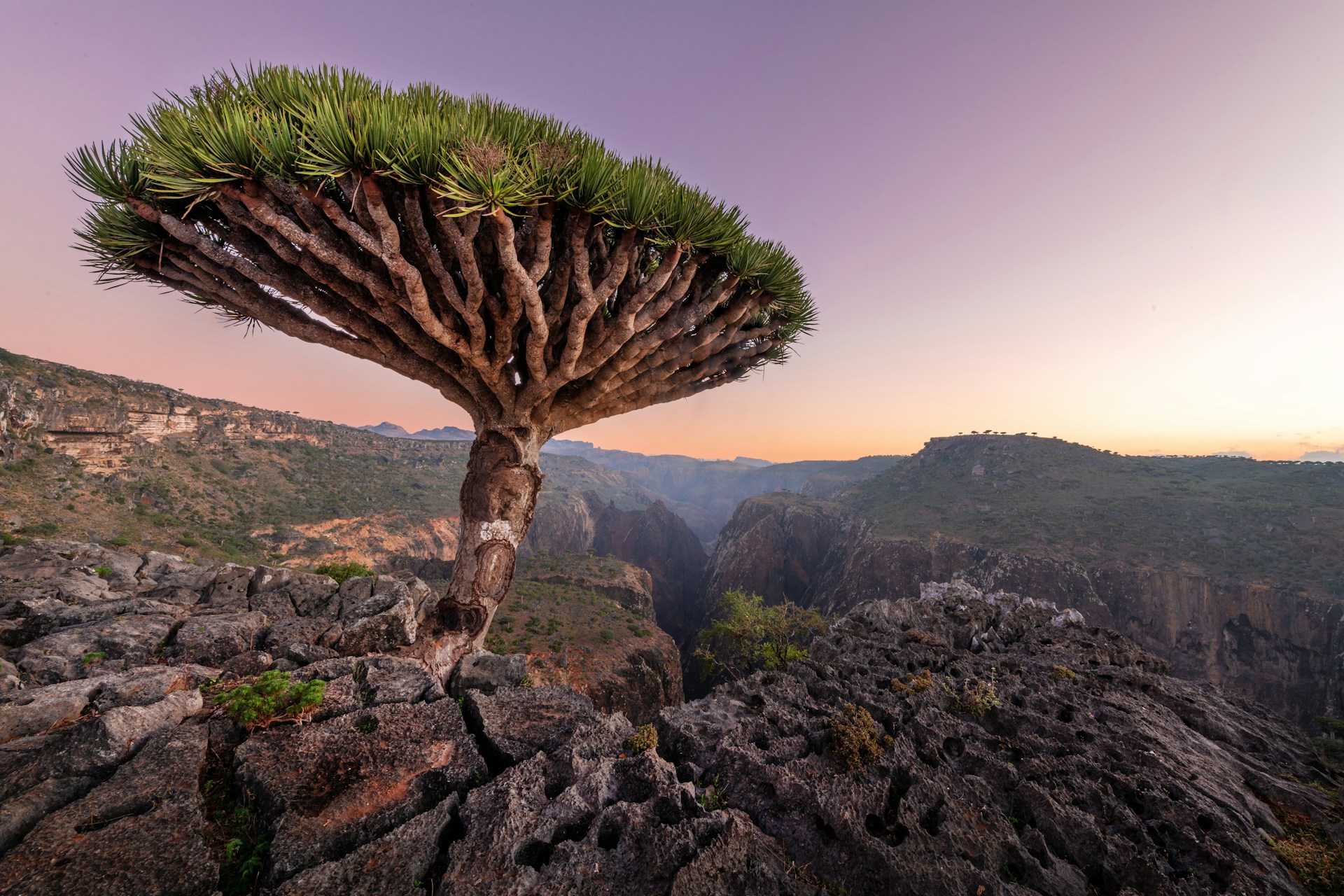
The Socotra Archipelago: An Evolutionary Laboratory in the Indian Ocean
Located about 155 miles off the coast of Africa, Socotra Island guards the entrance to the Gulf of Aden, where the Red Sea meets the Indian Ocean.
Millions of years of isolation gave rise to 825 plant species, 37 percent of which are found nowhere else on Earth. Most striking among them is the dragon blood tree (Dracaena cinnabari), a species with no close equivalent in the plant kingdom.
Socotra has long drawn explorers, botanists, and ornithologists. It remains one of the most enigmatic places on the planet, with entire habitat types found nowhere else.
Difficult maritime access and the region’s geopolitical instability have, paradoxically, helped protect its biodiversity, preserving a landscape that scientists liken to the Mesozoic era.
Raja Ampat: The Global Center of Marine Biodiversity
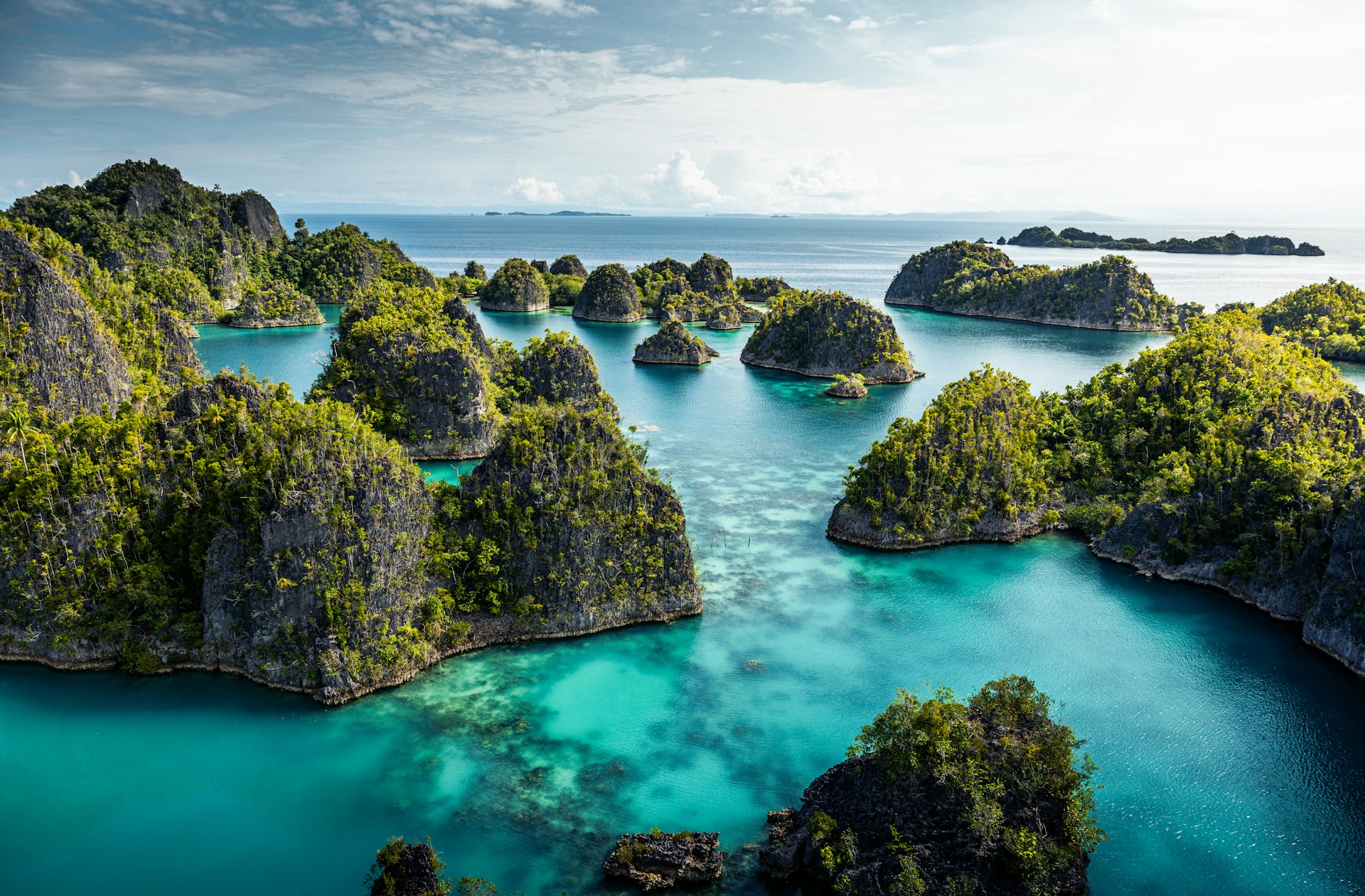
Raja Ampat, an Indonesian archipelago within the Coral Triangle, is home to the greatest marine biodiversity on Earth.
Designated a UNESCO Global Geopark, it encompasses the islands of Waigeo, Batanta, Salawati, and Misool, along with a scattering of smaller islets. This underwater Eden is home to more than 1,400 fish species and 600 coral species.
Since 2009, the Raja Ampat archipelago has been designated a Marine Conservation Area, with more than 17,750 square miles of protected marine areas.
The initiative aims to go beyond conservation alone — it also seeks to establish a model of sustainable tourism that benefits local communities.
The Pantanal: The Largest Freshwater Wetland in the Americas
Spanning more than 65,600 square miles across Brazil, Bolivia, and Paraguay, the Pantanal is the largest freshwater wetland on Earth—larger than England or Greece.
It is also the least disturbed wetland on the planet — in part because of its very nature: during flood season, 80 percent of the territory is submerged, making any permanent infrastructure impossible.
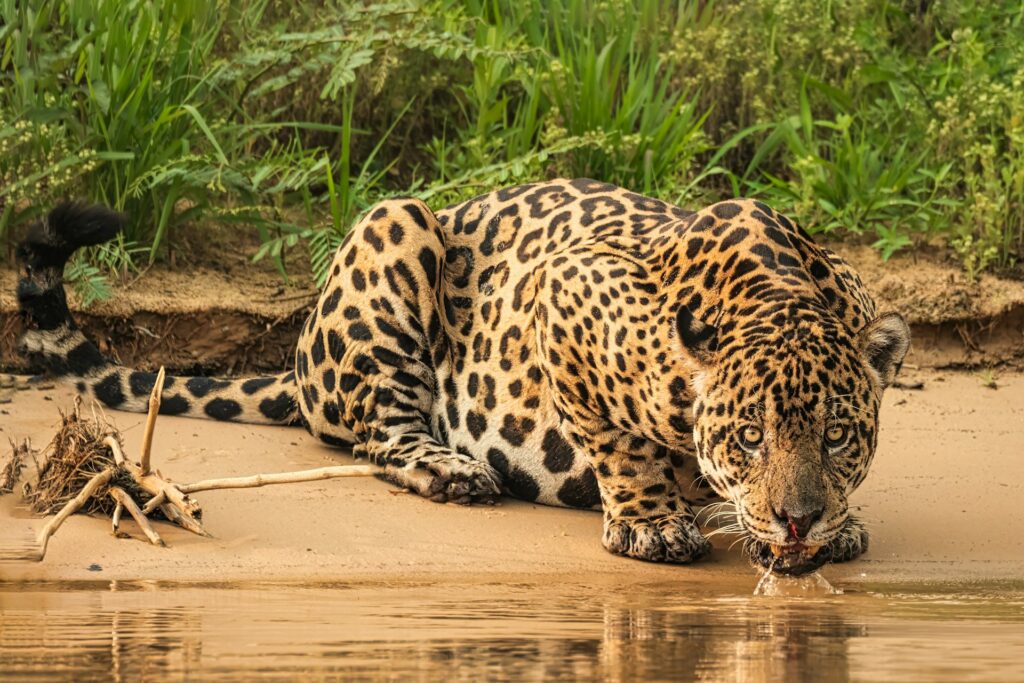
This cyclical flooding supports the largest jaguar population on the continent; the cats have adapted their hunting behavior to an aquatic environment. The wetland is also home to some 10 million caimans—the world’s greatest concentration of crocodilians—and the green anaconda (Eunectes murinus), locally known as the sucuri and the heaviest snake species on Earth.
Tsingy de Bemaraha: Madagascar’s Stone Fortress
Madagascar is known for its Avenue of the Baobabs, but another untouched corner of the island deserves equal attention: Tsingy de Bemaraha.
The national park is dominated by razor-sharp limestone formations so jagged that the terrain is impassable without specialized equipment. Beyond a handful of trails, lookout points, and rope bridges, the area remains largely untouched.
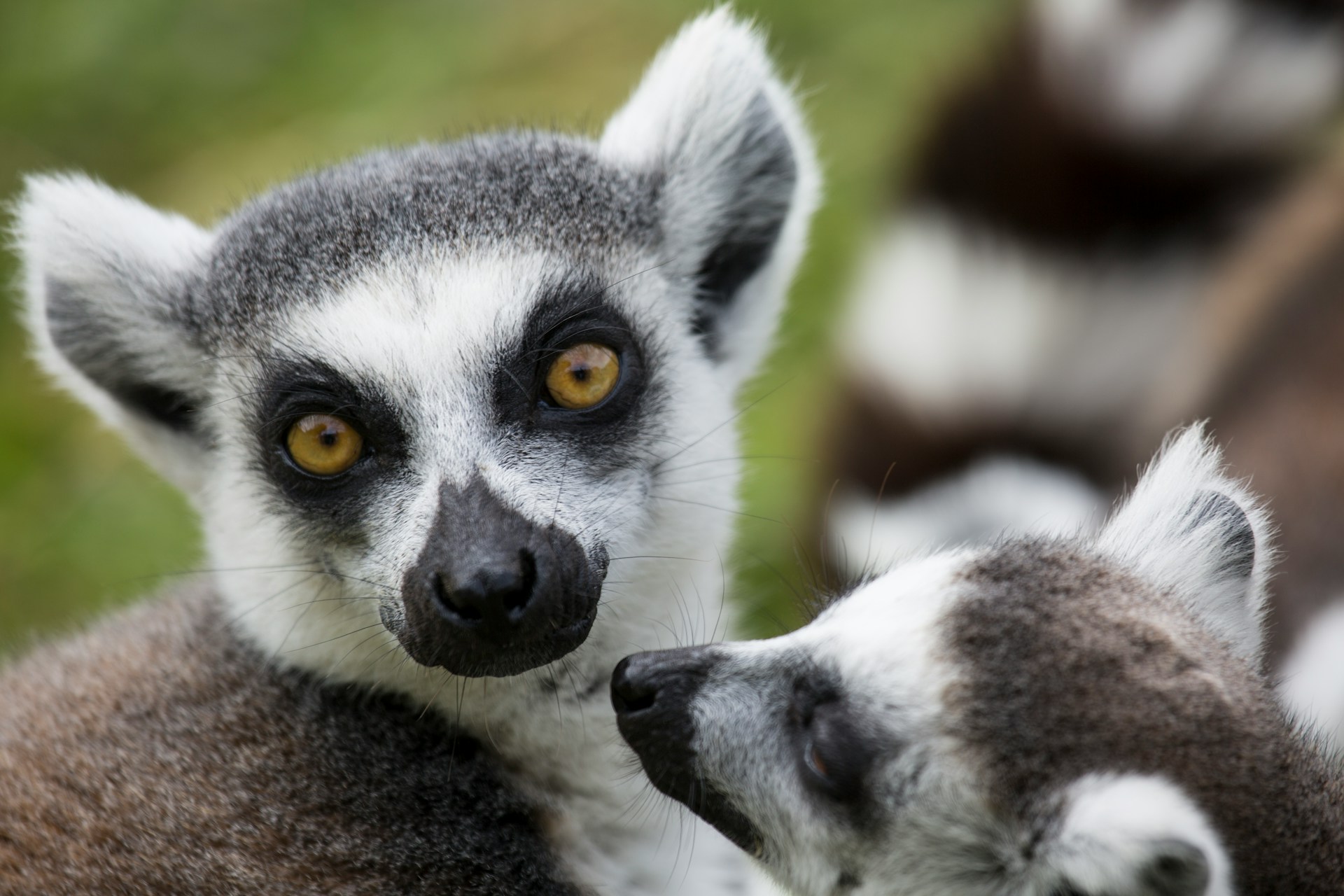
These “tsingy”—a Malagasy word meaning “where one cannot walk barefoot”—enclose hidden forests and canyons inhabited by lemur species found nowhere else on the island.
The site’s geology has proved its most effective protection against deforestation.
Bwindi: Uganda’s Ancient Ice Age Forest
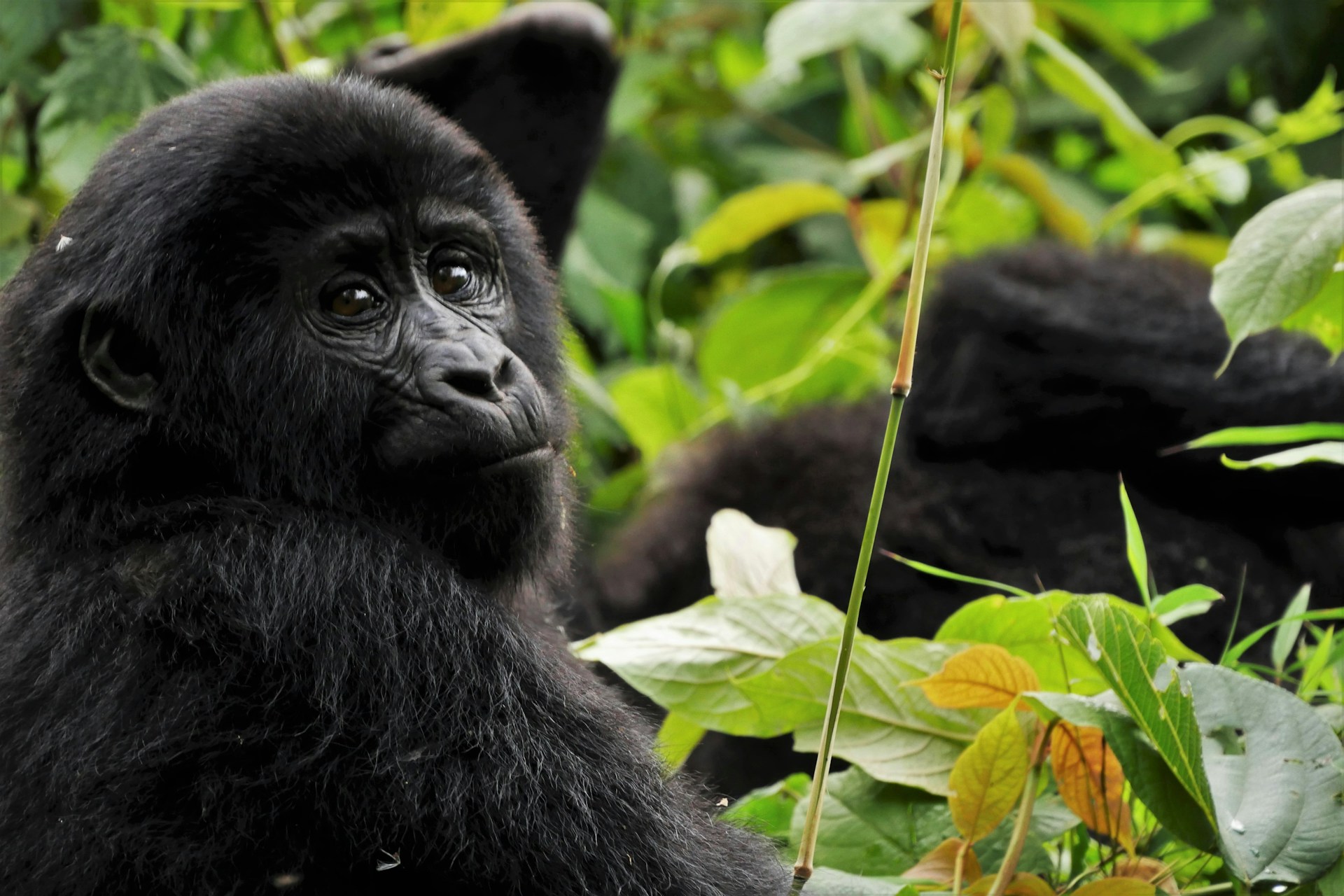
Bwindi Impenetrable National Park is one of the few forests in Africa to have survived the last ice age.
An estimated half of the world’s mountain gorilla population makes its home in Bwindi’s dense forests and rugged terrain.
Beyond this endangered species, the forest shelters more than 1,000 flowering plant species, 350 bird species, 120 mammal species, and more than 300 butterfly species—a richness that earned it recognition as a UNESCO World Heritage Site.
Strict limits on visitor access, combined with the challenging terrain, help preserve this ecosystem as a remnant of the ancient Pleistocene forest.
Salar de Uyuni: The Frontier of Extremophile Life
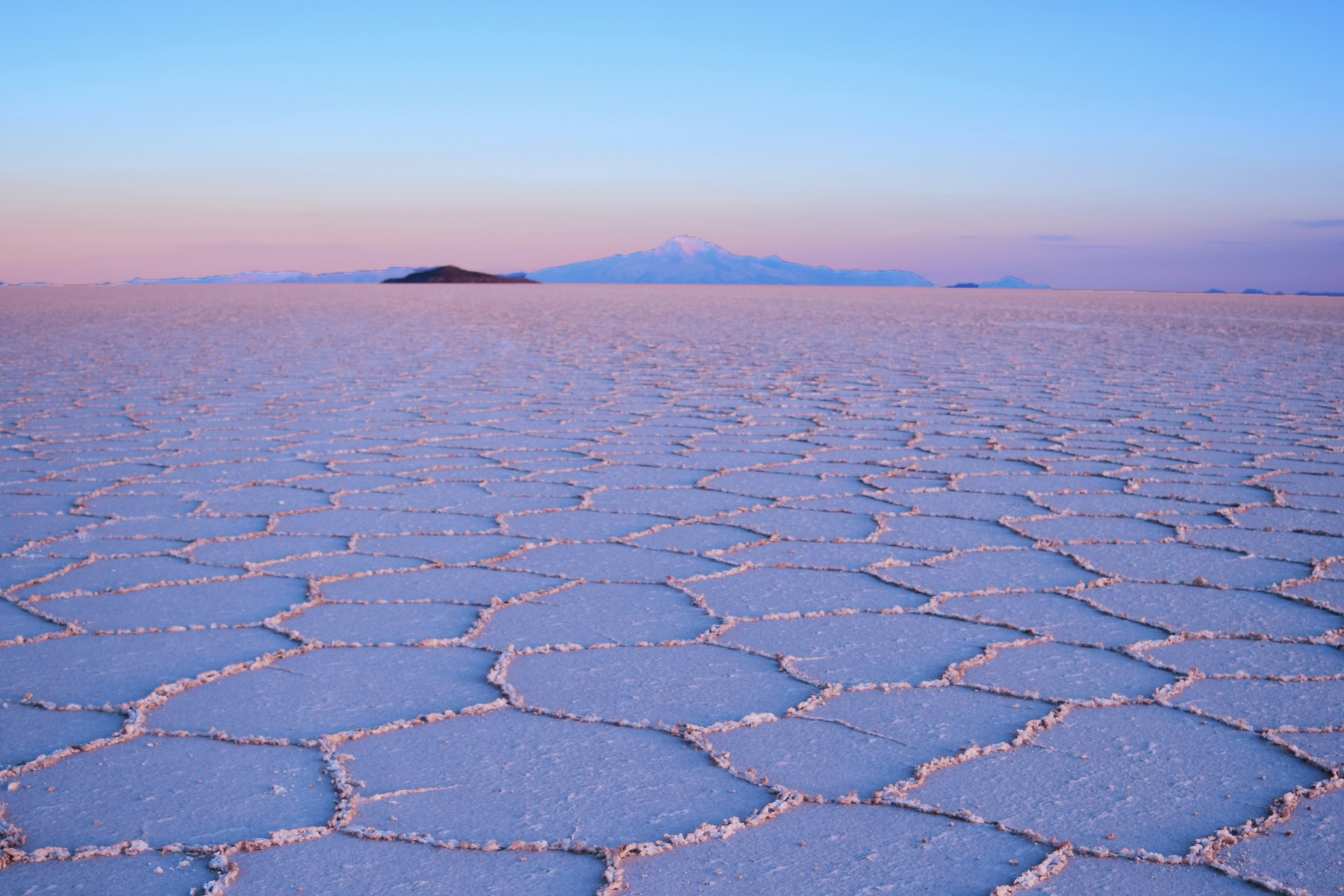
At nearly 12,000 feet above sea level, this Bolivian salt desert spans more than 4,050 square miles, making it one of the most hostile yet pristine environments on Earth.
Beyond its striking visual spectacle, its mineral-colored lagoons harbor flamingo colonies and extremophile microorganisms that can survive levels of ultraviolet radiation and salinity lethal to most species.
Although the main routes draw a steady flow of travelers, the sheer scale of the territory ensures that the vast majority of its surface remains intact, far beyond the reach of roads or development.
The survival of these places reveals that human control over the planet still runs up against clear geographic and climatic limits. Their continued existence depends on the very hostility or remoteness of the terrain, allowing wildlife to follow rhythms untouched by civilization.
Visiting these wild sanctuaries offers a deeper understanding of how fragile the natural order truly is — and of the importance of protecting places where human hands have yet to reach, so the world can hold onto its most primal, untamed rhythms.