
Throughout history, archaeology has revealed discoveries that seem straight out of a science fiction film. Objects so well preserved, complex, or enigmatic that they suggest we still have a lot more to learn about the past.
Some were found by accident; others, after years of meticulous excavation. What they all share is that they continue to amaze the world.
Here are 10 extraordinary archaeological finds that challenge us to see history in a new light.
1. The Gleaming Bronze Age Sword
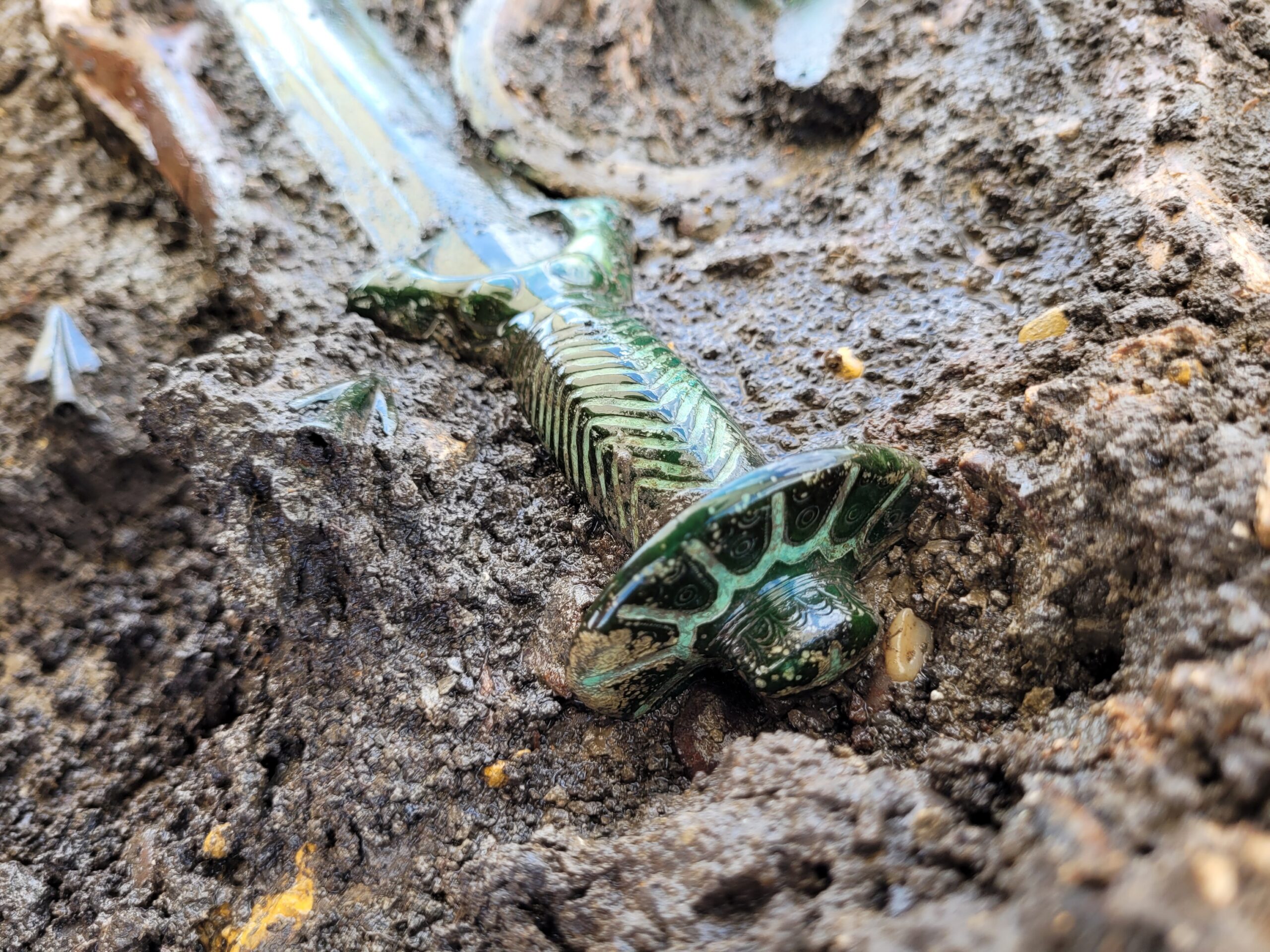
In 2023, German archaeologists unearthed a sword more than 3,000 years old from a burial mound in Nördlingen, Bavaria.
What surprised them was not only its age but also its remarkably well-preserved condition: The bronze still shines so brightly it appears freshly forged.
Featuring an octagonal hilt and crafted using a technique in which the hilt was cast directly onto the blade, the sword likely belonged to a high-ranking figure.
Although it was never used in combat — showing no nicks or wear — it was not merely a status symbol. Its center of gravity indicates it was designed for slashing. A weapon that was surprisingly ahead of its time.
2. The Roman Mosaic Beneath the Euphrates
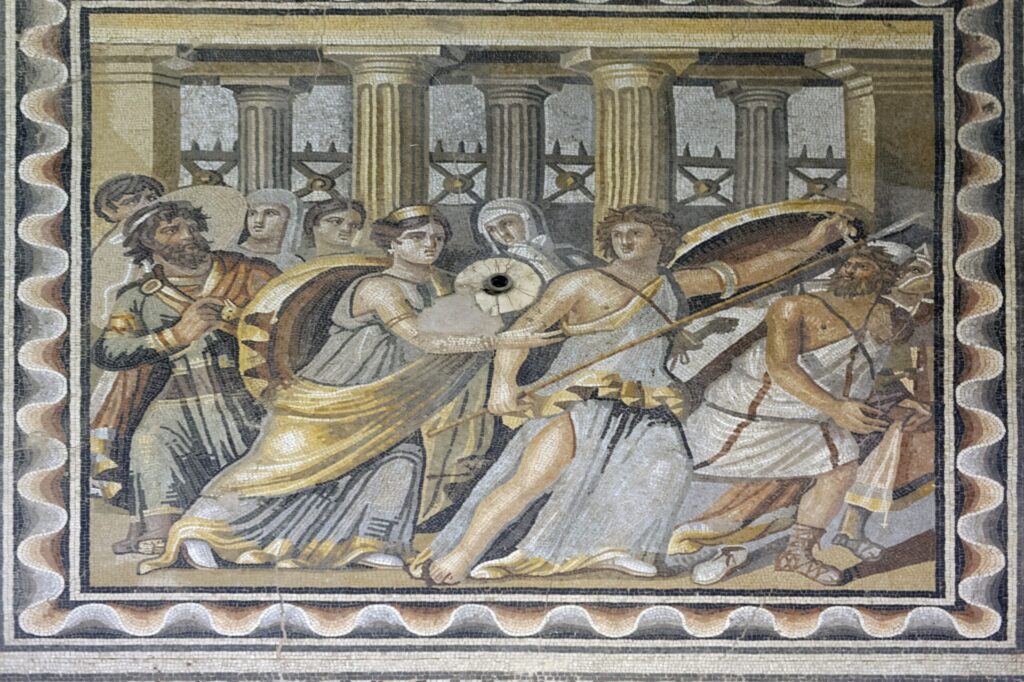
In the ancient city of Zeugma, in southeastern Turkey, archaeologists discovered a Roman mosaic more than 2,000 years old, submerged beneath the waters of the Euphrates River.
This stunning mosaic was found in 2000 inside a Roman villa submerged beneath the water.
What makes it extraordinary is not only its age but also its artistic quality. The human figures are so lifelike, and the details are so precise that it is hard to believe they were created in the first century A.D.
Today, some of these mosaics are preserved in the Gaziantep Museum, but many still lie beneath the river—forgotten fragments of Rome’s eastern frontier.
3. The Viking Ring With an Islamic Inscription
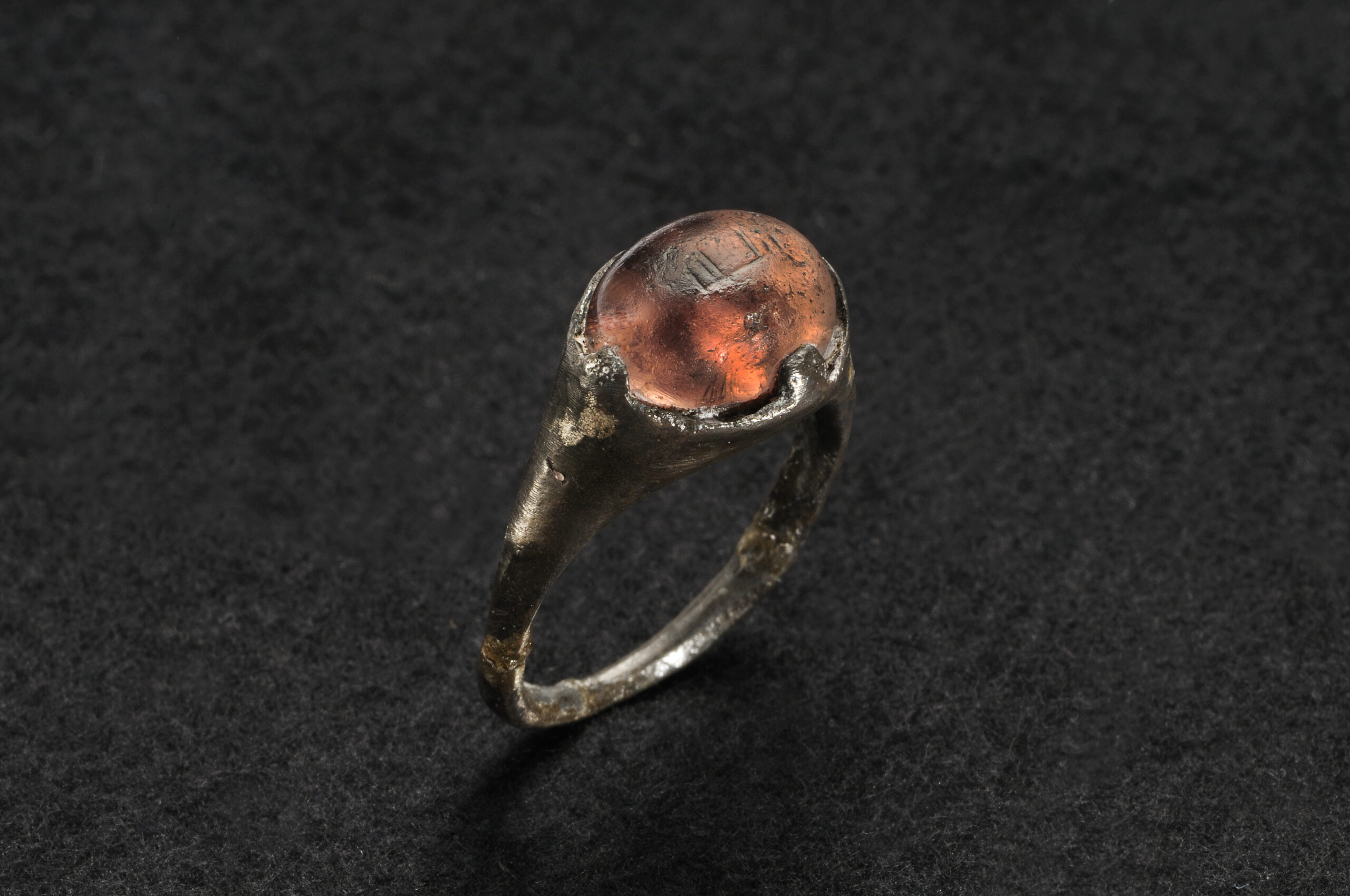
A ring discovered in the ancient trading port of Birka, Sweden, upended long-held assumptions about the Vikings.
It is a ninth-century jewel engraved with the phrase “for Allah” in Kufic Arabic.
This discovery reveals the cultural and commercial ties between Scandinavia and the medieval Islamic world, shattering the stereotype of the Vikings as isolated warriors.
The ring was found in a woman’s tomb and is now considered one of the most intriguing artifacts of contact between the two civilizations.
4. The Terracotta Warriors
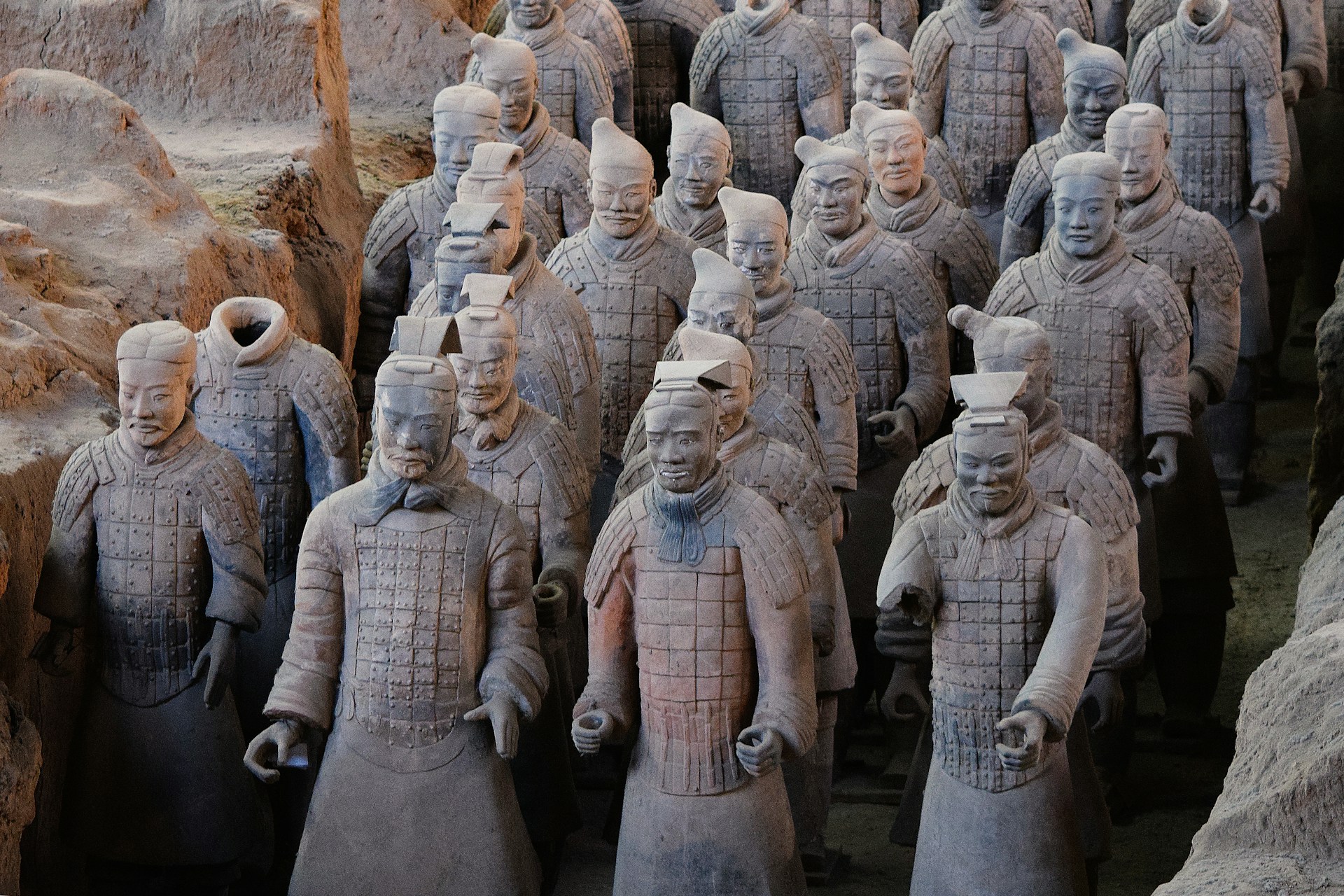
In 1974, farmers in China accidentally unearthed one of the greatest archaeological finds of the 20th century: more than 8,000 terracotta soldier figures, arranged to guard the tomb of Emperor Qin Shi Huang, the first emperor to unify China.
Each warrior is unique, with distinct facial features, hairstyles, armor and postures. The army also includes horses, chariots and archers.
For centuries, they remained hidden underground, standing as silent guardians of the emperor in the afterlife. Today, they are part of a funerary complex that is still being excavated and studied.
5. The Lycurgus Cup: Nanotechnology in Ancient Rome
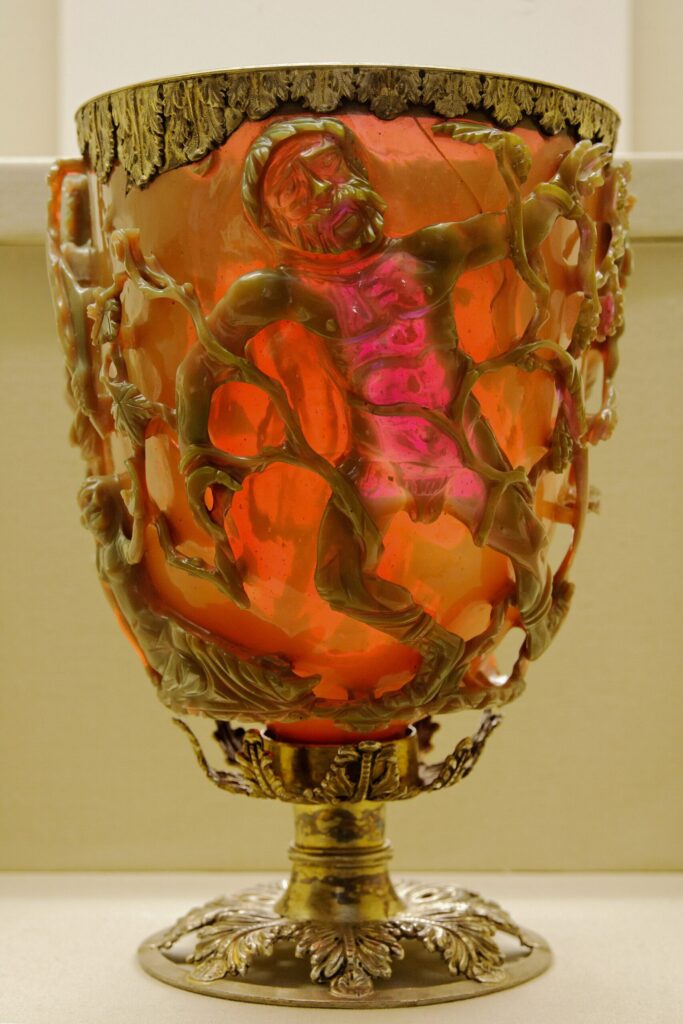
At first glance, the Lycurgus Cup appears to be an ordinary Roman chalice. But under certain lighting conditions, it changes color: green when illuminated from the outside and red when illuminated from within.
This effect is caused by nanoparticles of gold and silver dispersed in the glass — a technique modern scientists only began to understand in the 1990s.
No one knows whether the Romans understood the science behind the effect or simply stumbled upon it by chance, but what is certain is that they created a technological marvel ahead of its time.
6. The Rosetta Stone
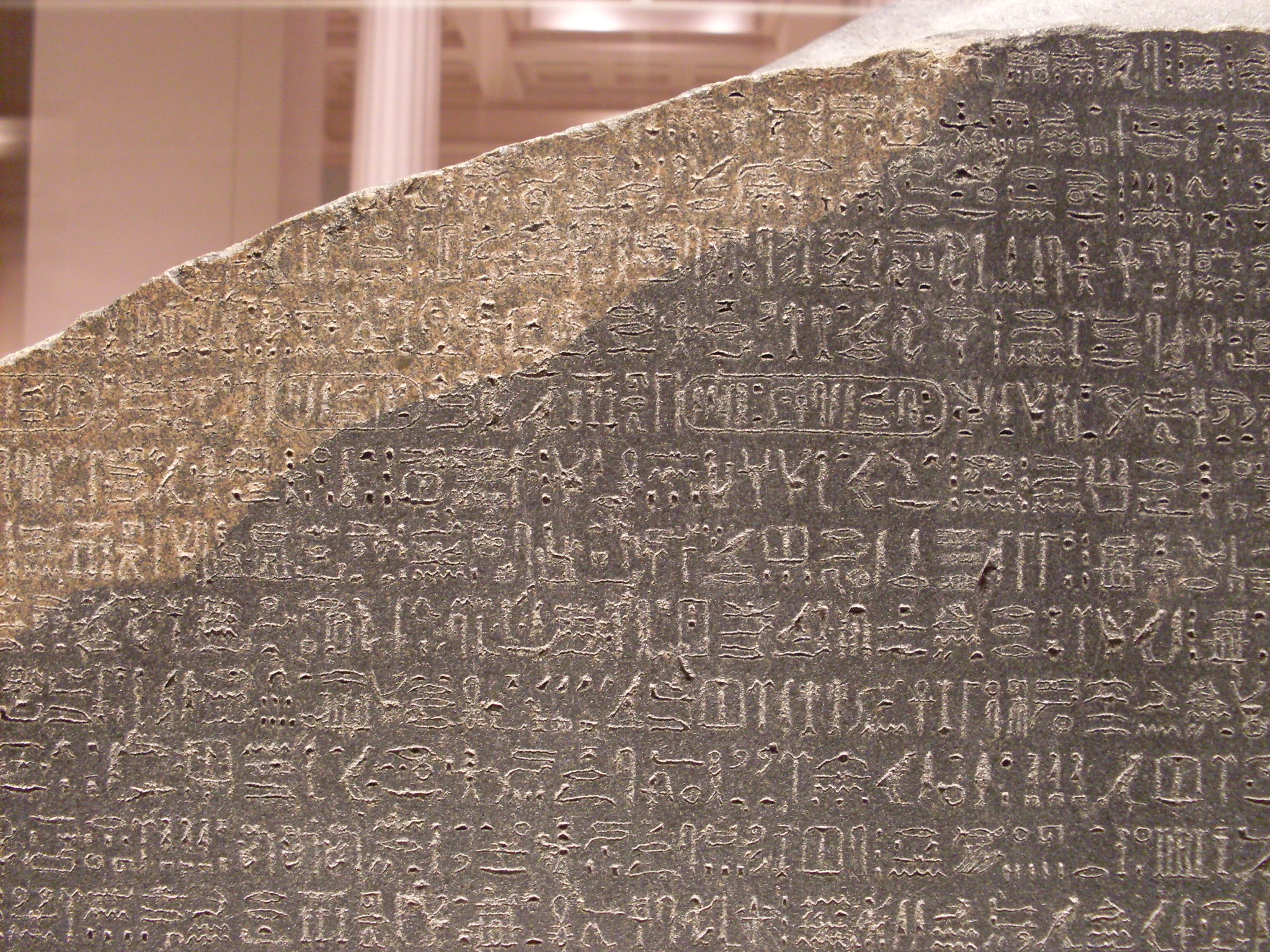
In 1799, a French soldier discovered in Egypt a stone inscribed with three different scripts: Greek, Demotic and hieroglyphic. This was the famous Rosetta Stone, and its discovery enabled the decipherment of Egyptian hieroglyphs for the first time in history.
Using this find, Jean-François Champollion was able to decode the writing system of ancient Egypt, unlocking knowledge lost for centuries.
It is considered one of the most important archaeological discoveries in history. Without it, much of what we know today about ancient Egypt would still be an enigma.
7. The Antikythera Mechanism: The First Computer in History?
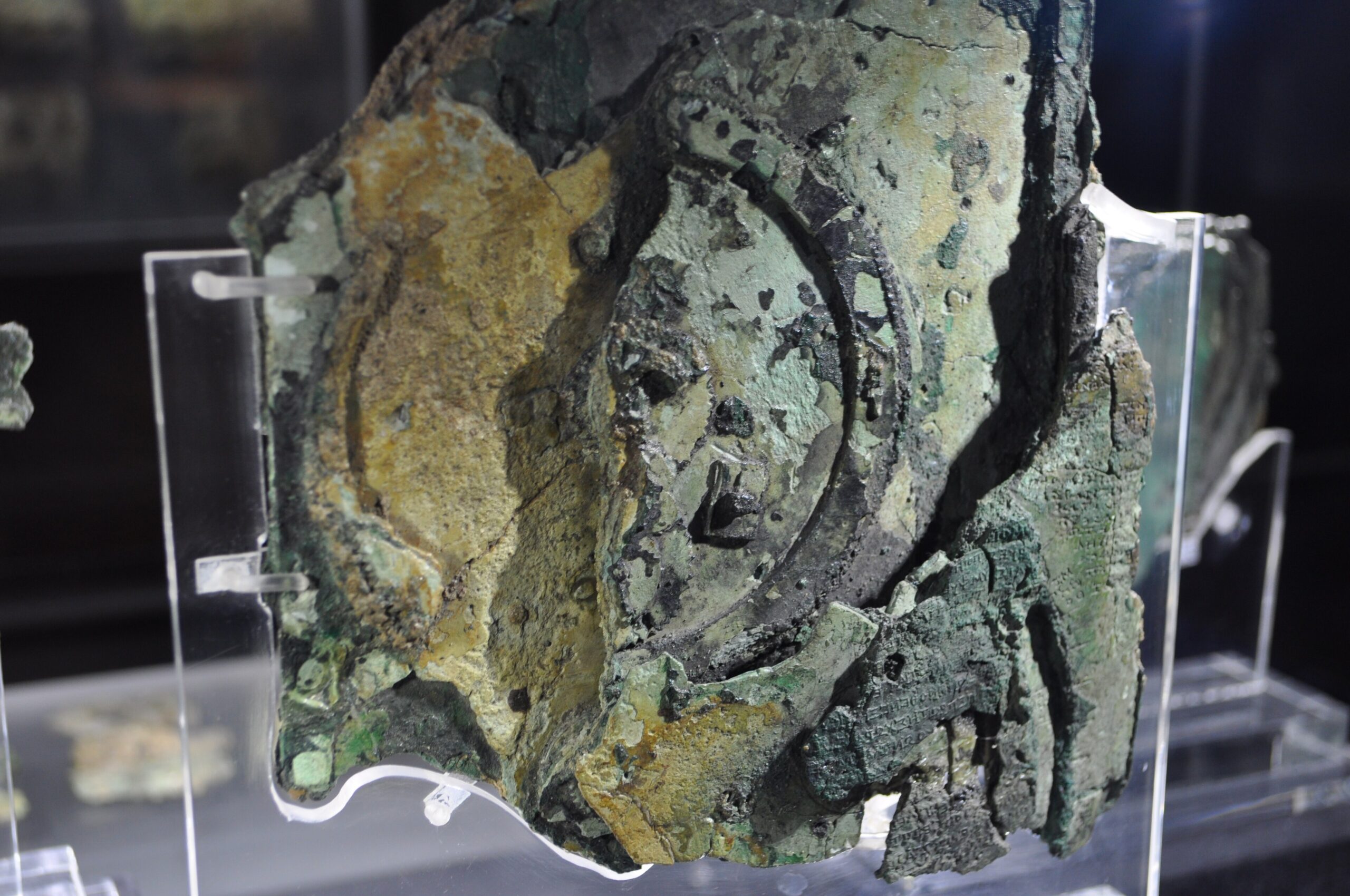
Discovered in 1901 among the remains of a shipwreck off the Greek island of Antikythera, this artifact baffled archaeologists for decades. It had gears, inscriptions and a level of mechanical complexity unprecedented for its era.
Thanks to modern technology, scientists finally uncovered its true function: it was a device for tracking astronomical cycles and predicting eclipses, crafted around 100 B.C. Some describe it as the first computer in history.
Its precision and design would not be matched for another thousand years. Today, the Antikythera Mechanism remains a mystery: Who designed it? How many others existed?
8. The Baghdad Battery
A battery in the ancient world? That’s what this curious artifact found in Iraq in 1936 appears to be.
It consists of a clay jar containing an iron rod surrounded by copper, and researchers believe that filling it with vinegar or grape juice could generate a small electric current.
Some think it was used to electroplate objects with gold, though there is no consensus.
Deliberate engineering or a happy accident? The Baghdad Battery is another example of how much we have yet to discover about ancient ingenuity.
9. The Best-Preserved Nodosaur Fossil
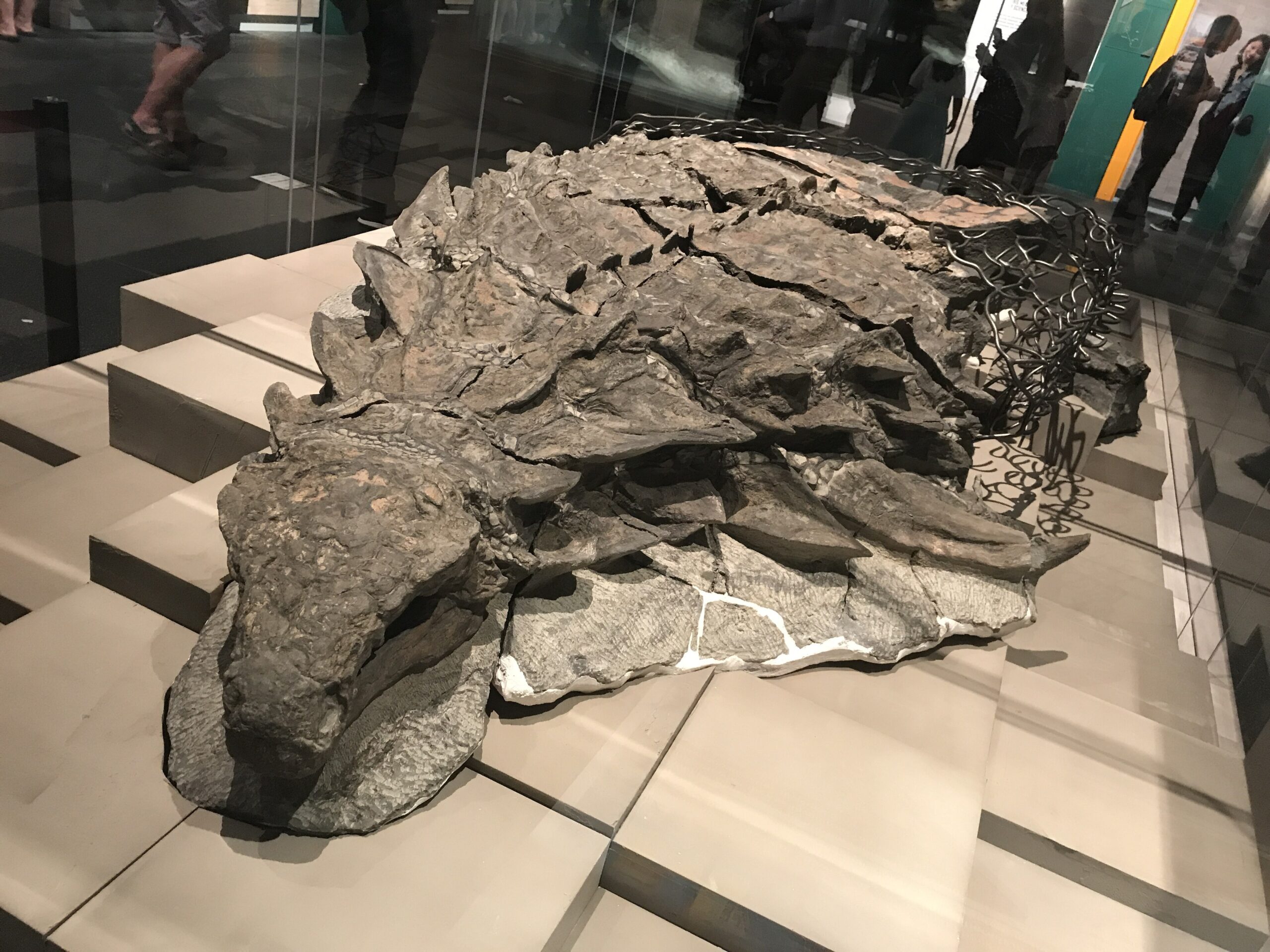
In 2011, Canadian miners discovered a 110-million-year-old nodosaur fossil.
But this was no ordinary skeleton: It was so well preserved that it still retained remnants of skin, scales, and armor plating.
It looked more like a sculpture than a fossil. The specimen was transferred to the Royal Tyrrell Museum of Palaeontology, where it astonished scientists and visitors alike.
It was so well preserved because, after the animal died, it was swept into the sea and rapidly buried by sediment. A prehistoric time capsule.
10. The Good Shepherd Ring
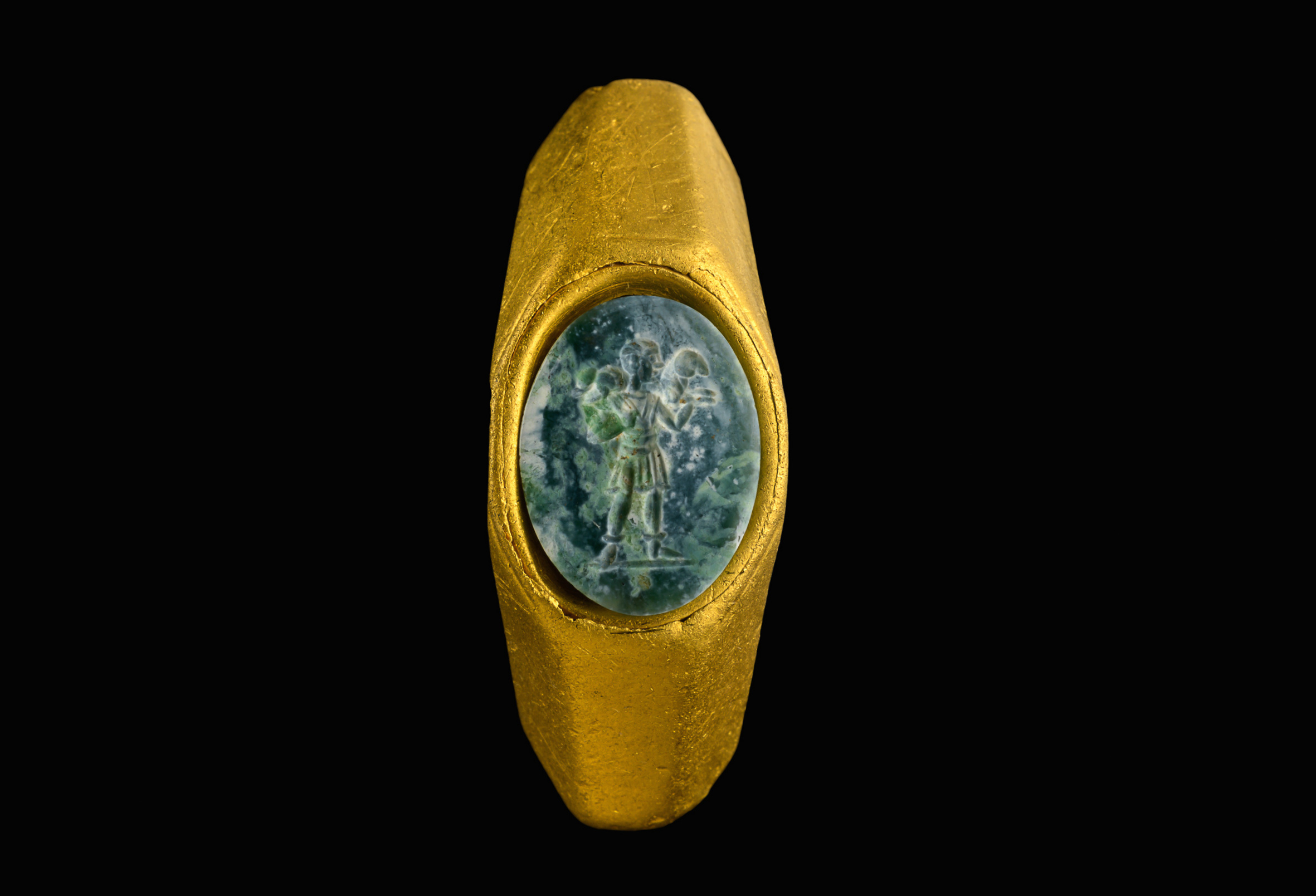
Off the coast of Caesarea, Israel, divers discovered a 1,700-year-old gold ring engraved with an image of the Good Shepherd—one of the earliest depictions of Jesus.
The ring dates to a time when Christianity was still persecuted, and its iconography suggests it belonged to a believer who practiced the faith in secret.
It is a small, understated find that speaks of hope, faith, and resilience during one of the most turbulent periods of the Roman Empire.
These discoveries are far more than museum curiosities.
They are a testament to human ingenuity, unexpected cultural connections and mysteries we have yet to fully unravel. Sometimes, looking to the past is the best way to grasp what we still can’t explain today.