Red, pink, turquoise and spotted: a visual tour of 10 of the world’s most colorful lakes, whose hues come from algae, minerals, bacteria and volcanoes.
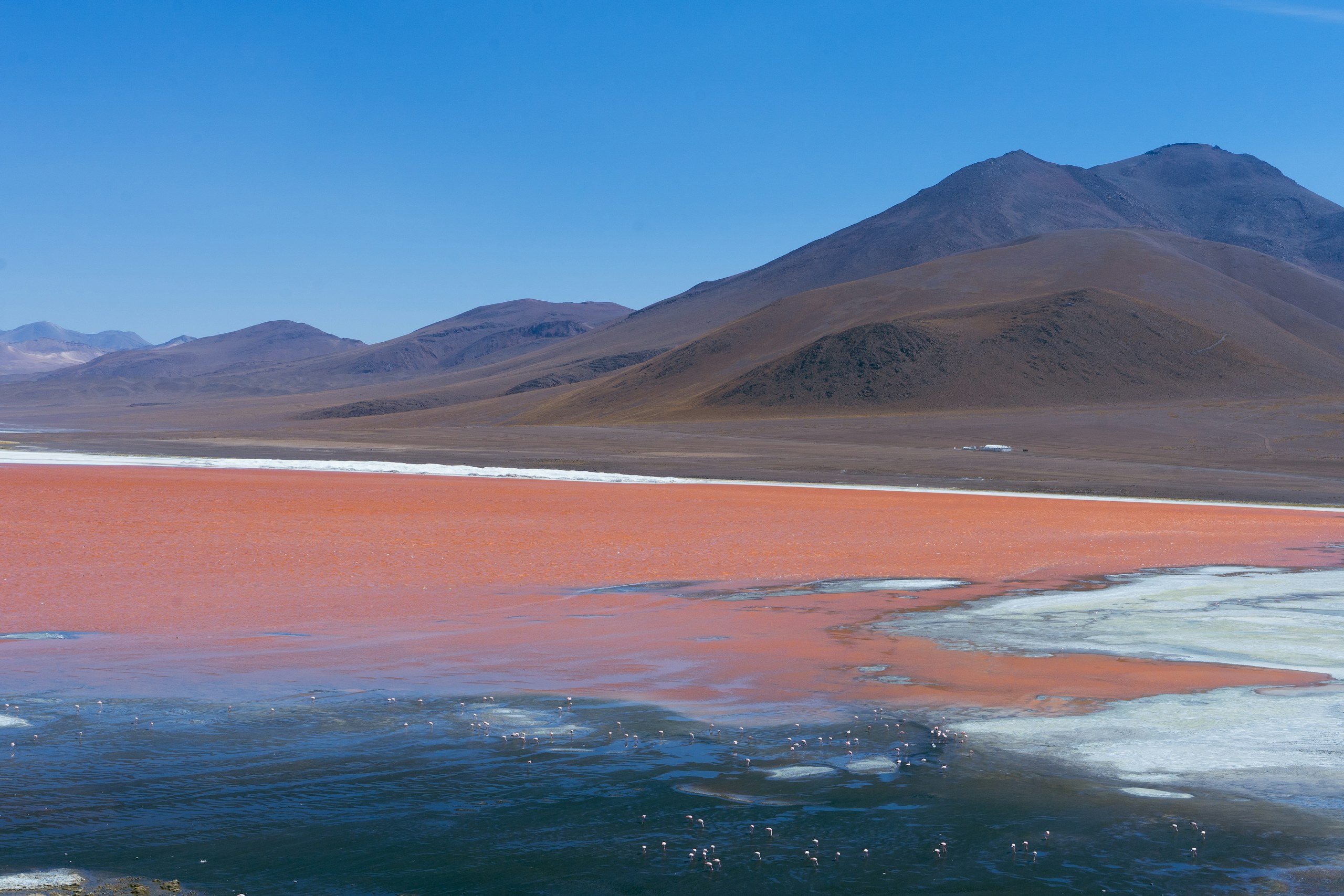
Lying more than 13,700 feet (4,200 m) up on Bolivia’s Altiplano, this shallow lagoon is tinted red by the algae and minerals in its water. It is part of the Eduardo Avaroa Andean Fauna National Reserve and a key stronghold of the James’s flamingo, among the rarest flamingo species.
On the edge of Middle Island, off the coast of Esperance, this lake owes its pink hue to the microalga Dunaliella salina and the bacterium Salinibacter ruber. Matthew Flinders’ expedition described it in 1802. In early 2025, unprecedented rainfall lowered its salinity and the pink faded away. Scientists estimate it could take five to 10 years for the color to return.
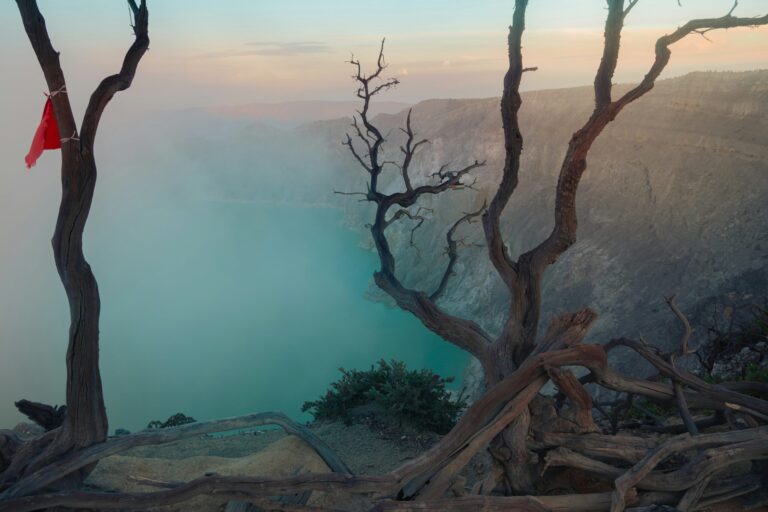
At the summit of this volcano on the island of Flores sit three crater lakes that change color independently of one another: turquoise, green, red or almost black, depending on the volcanic gases and metals dissolved in their waters. In 2016 alone, they changed six times. The Lio people believe the souls of the dead rest in one lake or another depending on how they lived their lives.
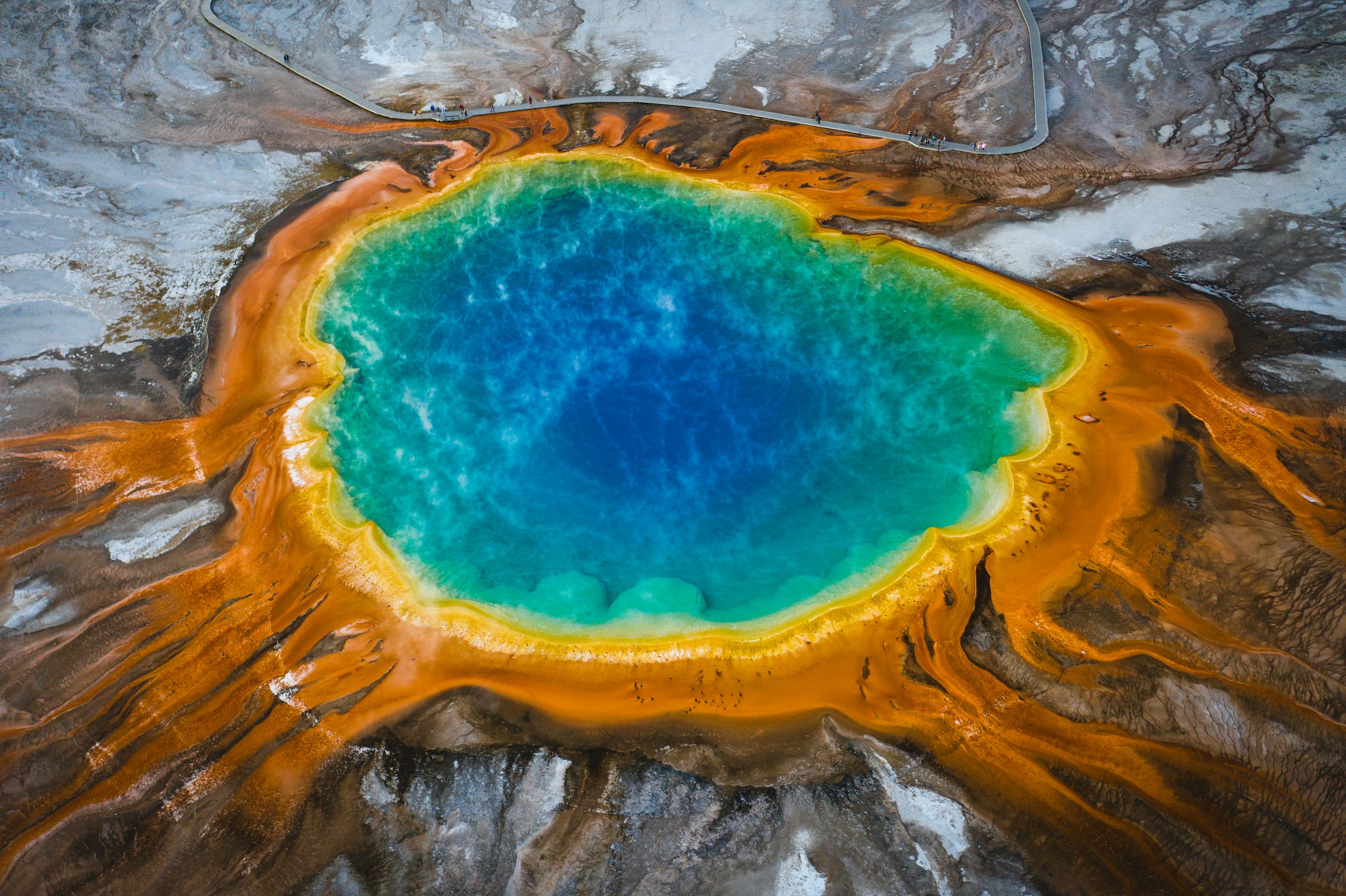
The largest hot spring in Yellowstone and one of the largest in the world, it stretches more than 200 feet (60 m) across and plunges about 120 feet (37 m) deep. Its rings of color are formed by microorganisms, each species thriving at a different temperature. Members of the 1871 Hayden expedition named it for its rainbow hues.
Every summer, the water in this lake near Osoyoos, British Columbia, evaporates and leaves behind hundreds of pools of magnesium, calcium and sodium sulfate, each one a different color. For thousands of years, the syilx people have regarded it as a sacred place to heal body and spirit. In 2001, the Okanagan Nation Alliance reclaimed the land, which is now protected by a fence. Visitors can only view it from the highway.
Its alkaline waters can reach 140°F (60°C), and in the dry season they turn red from cyanobacteria and other salt-loving microorganisms. Hostile as it is, the lake is the lesser flamingo’s most important breeding ground: about 75% of the species’ global population hatches on its shores, at the foot of the Ol Doinyo Lengai volcano.
PHOTO: CHRISTOPH STRäSSLER / WIKIMEDIA COMMONS (CC BY-SA 2.0)
This valley in northern Sichuan is strung with more than 100 lakes in shades of turquoise, green and blue. Their colors come from the travertine deposits that carpet the lakebeds, from algae and from water so clear that sunken tree trunks are visible beneath the surface. A UNESCO World Heritage Site since 1992, the park closed after a 2017 earthquake and did not fully reopen until 2021.
About 19 miles (30 km) from Dakar, Lac Rose, as Lake Retba is known locally, owes its color to the microalga Dunaliella salina, which thrives in its hypersaline waters. Some 3,000 workers harvest salt by hand, protecting their skin with shea butter. In 2022, floodwater diverted into the lake robbed it of its pink. After years of pumping led by local residents, it regained its color and reopened for salt harvesting in July 2026.
This reservoir in the Canadian Rockies was created in 1972 by the Bighorn Dam and is named after Silas Abraham, a Stoney Nakoda hunter and farmer. Each winter, methane released by decaying plants on the lakebed becomes trapped in the ice as stacks of bubbles. The best time to see them is from mid-January to mid-February.
Torrevieja’s salt lagoon turns pink thanks to a salt-loving microalga and a tiny crustacean that flourish in its highly saline water. Around half a million metric tons of salt are harvested here each year. It is part of the Lagunas de La Mata y Torrevieja Natural Park, where swimming is prohibited.
PHOTO: WERNER WILMES / WIKIMEDIA COMMONS (CC BY 2.0)