A Chilean cypress that may be the world’s oldest tree, roots nearly 10,000 years old and a forest that is a single living thing: a visual tour of the oldest trees on Earth.
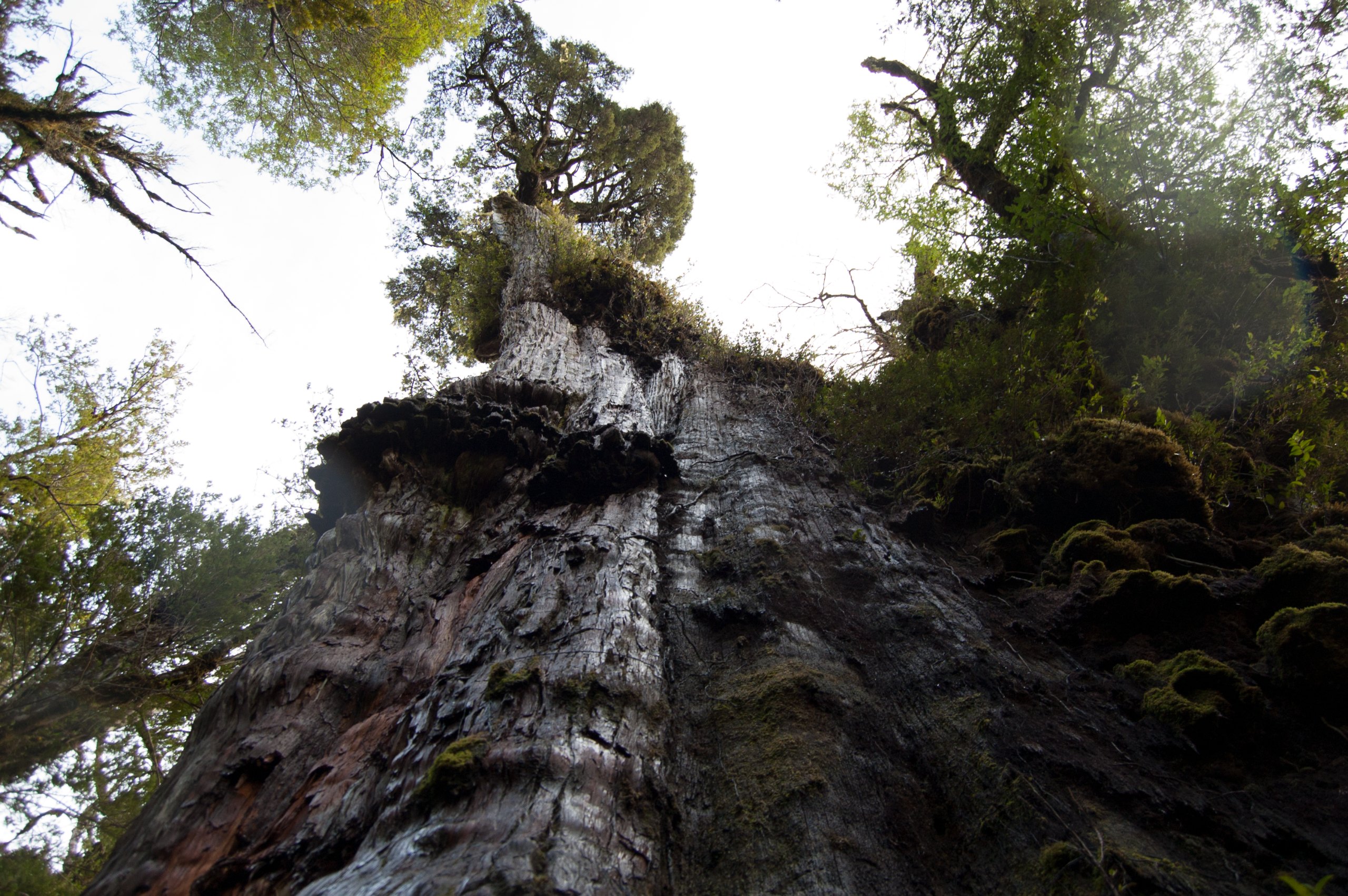
A study released in 2022 estimated that this Patagonian cypress, known as Gran Abuelo (“Great-Grandfather”), could be about 5,484 years old. That would make it the oldest tree in the world. The figure is still debated by scientists, because its trunk is so wide that no one has been able to count all of its rings. It grows in a damp ravine in Chile’s Alerce Costero National Park. The Indigenous Mapuche people call the species “lawal,” the source of its Spanish name, “lahuán.”
Somewhere in these arid California mountains stands Methuselah, a bristlecone pine about 4,850 years old. The Forest Service won’t say which tree it is or release photos of it, to protect it from vandals and the curious. Nearby grows another, unnamed tree that may be even older.
At first glance it’s a plain, spindly tree high on Fulufjället mountain. But its roots have been alive for about 9,500 years, since shortly after the end of the last ice age. Each trunk can live for several centuries, and when one dies the roots send up a new one. The scientist who found it named it after his late dog.
PHOTO: KARL BRODOWSKY / WIKIMEDIA COMMONS (CC BY-SA 3.0)
No living tree has a stouter trunk than this Montezuma cypress, which measures about 138 feet (42 m) around. Its Spanish name, ahuehuete, comes from Nahuatl and means “old man of the water.” It’s estimated to be 1,500 to 2,000 years old and grows in a churchyard in the town of Santa María del Tule. Local children act as guides, pointing out the shapes of jaguars and elephants in its bark.
This cedar is named after the Jōmon period, Japan’s prehistoric era. Its age is a mystery. Estimates range from 2,000 to 7,200 years. It grows in the heart of Yakushima island, a World Heritage Site. Reaching it takes a hike of about 10 hours round trip, and it can only be viewed from an observation deck.
Its name honors Tāne, the Māori god of forests and birds. It’s the largest kauri still standing and may be anywhere from 1,250 to 2,500 years old. To the Te Roroa people, guardians of Waipoua Forest, it is a taonga, a treasure. Since 2024, visitors have reached it along a raised boardwalk that protects it from kauri dieback, a deadly disease already detected a short distance away.
This yew grows in the churchyard of St. Digain’s Church, in a small Welsh-speaking village. A plaque beside it puts its age at more than 4,000 years, though some experts believe it’s closer to 1,500. Over time, its trunk split into several massive sections that spread like the fingers of an open hand.
What looks like a forest is a single living organism. Its more than 40,000 quaking aspen trunks sprout from the same root system and share the same genes. Its name means “I spread” in Latin, and it is thought to have taken root at the end of the last ice age. Today it is shrinking because deer eat the young shoots before they can grow.
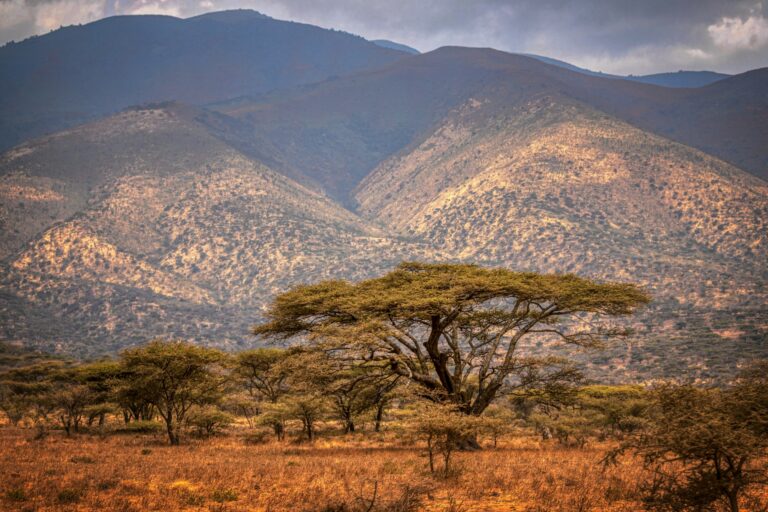
Its name means “thousand-year-old dragon tree,” but recent studies put its age at about 800 years. No one can know for sure, because dragon trees don’t form growth rings like other trees. It has been a Spanish National Monument since 1917 and, along with Mount Teide, is one of the great symbols of the Canary Islands.
PHOTO: DIEGO DELSO / WIKIMEDIA COMMONS (CC BY-SA 3.0)
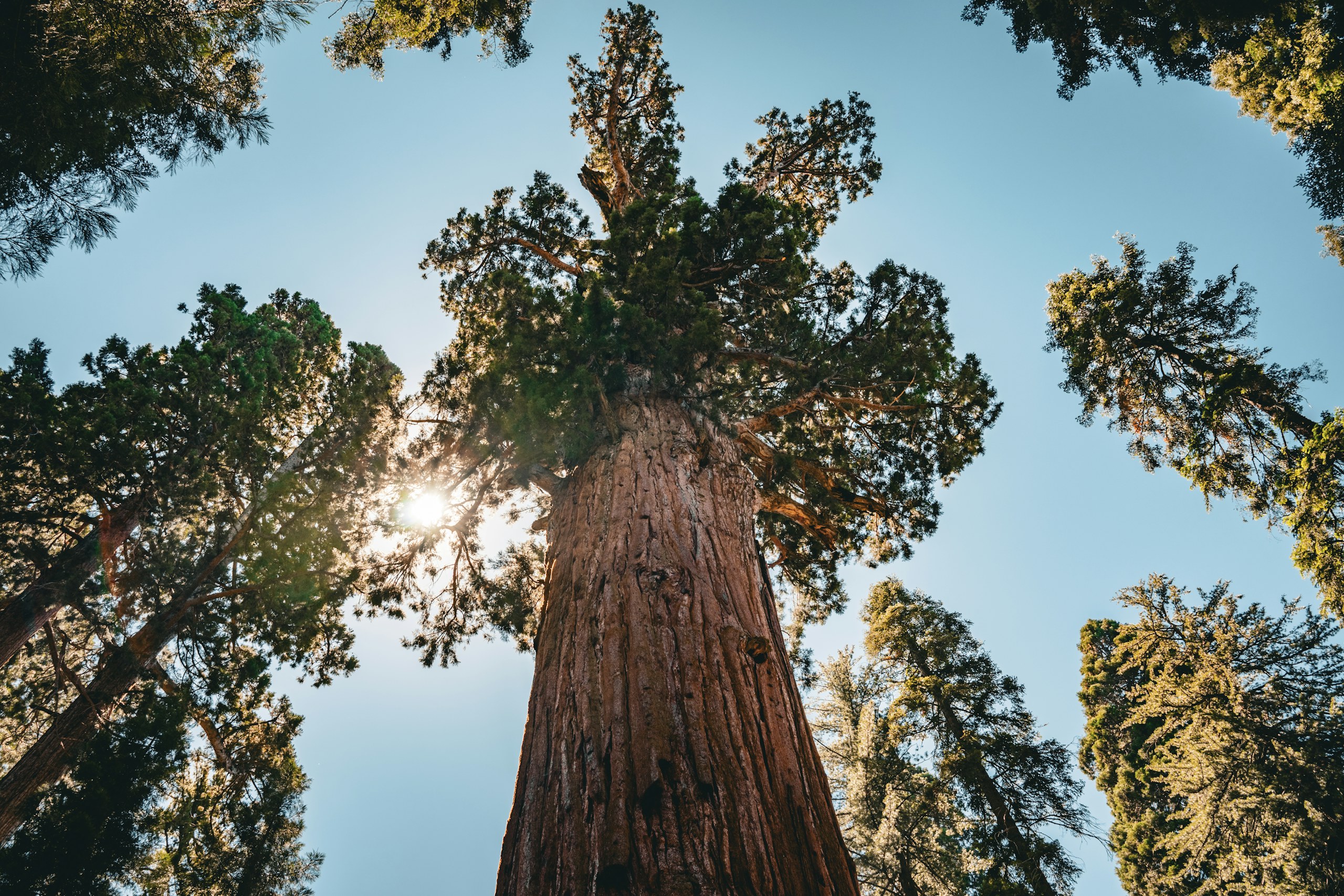
It is the largest tree on Earth by volume. This giant sequoia stands 275 feet (83 m) tall and is between 2,300 and 2,700 years old. In 2021, when a wildfire approached Sequoia National Park, firefighters wrapped its base in a protective blanket. It came through unharmed. It’s named for Civil War general William Tecumseh Sherman.